Editor: Porcia Akua Holmes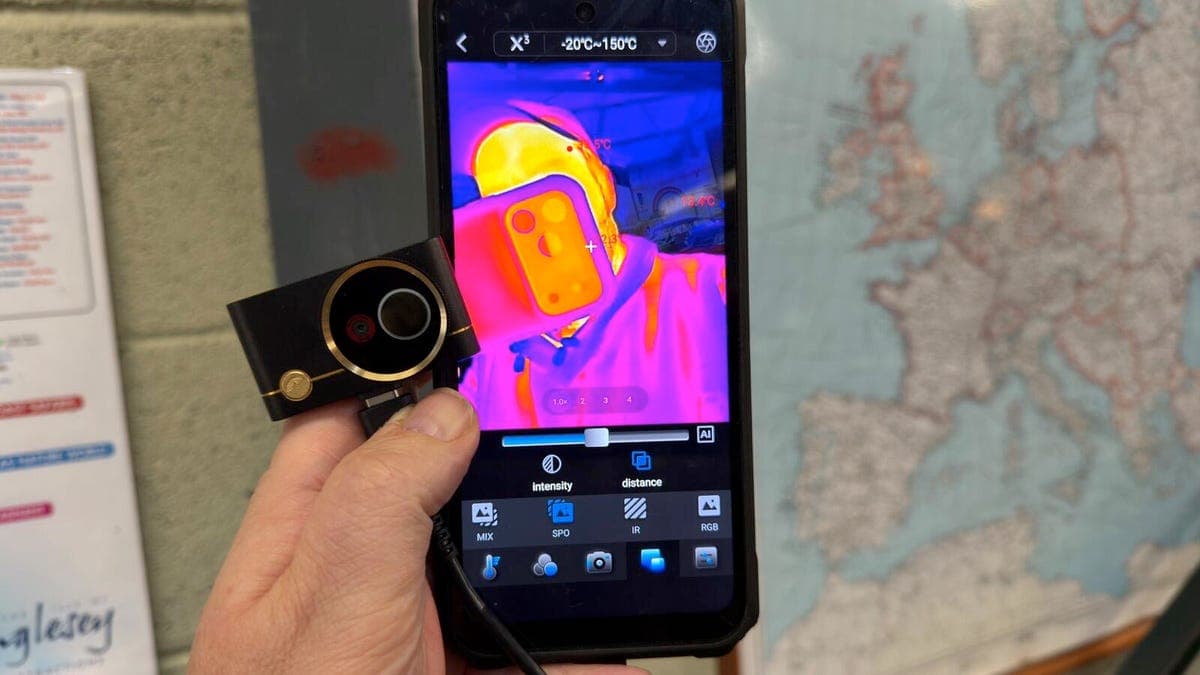
Thermal cameras have moved from professional toolkits to mainstream home maintenance. These devices detect temperature differences invisible to the naked eye, revealing problems behind walls, ceilings and floors before they cause major damage.
The Science Behind Thermal Detection
Thermal cameras produce images based on infrared radiation. Hotter objects appear brighter or redder; cooler areas are darker or bluer. This allows users to see where heat is escaping, where moisture has accumulated or where electrical circuits are overheating.
Common issues a thermal camera can spot include:
Consumer Savings and Practical Use
A single scan can catch issues that otherwise remain undetected for months. One user reported saving $1,000 after finding a small roof leak before it rotted the structure. Others avoid costly energy bills by sealing air gaps discovered with a thermal camera.
Entry-level models now cost between $150 and $400, making them accessible for most homeowners. Professional thermal inspections, by comparison, often run $300 to $600. Purchasing a camera pays for itself after one or two uses.
Users, however, should understand limitations. Thermal cameras detect surface temperature but do not see through solid materials. Interpreting images still requires some practice and common sense.
Why This Matters
Home maintenance is shifting toward proactive, technology-driven approaches. Thermal imaging empowers homeowners to identify problems early, reducing the need for emergency repairs and preventing long-term damage. As climate patterns bring more extreme weather, spotting insulation gaps or moisture intrusion early becomes even more critical.
Regulators and insurers also take notice. Some insurance companies offer discounts for homes with documented thermal inspections. This trend pushes thermal cameras from curious gadget to practical household essential.