Senior Editor: Alan Agbele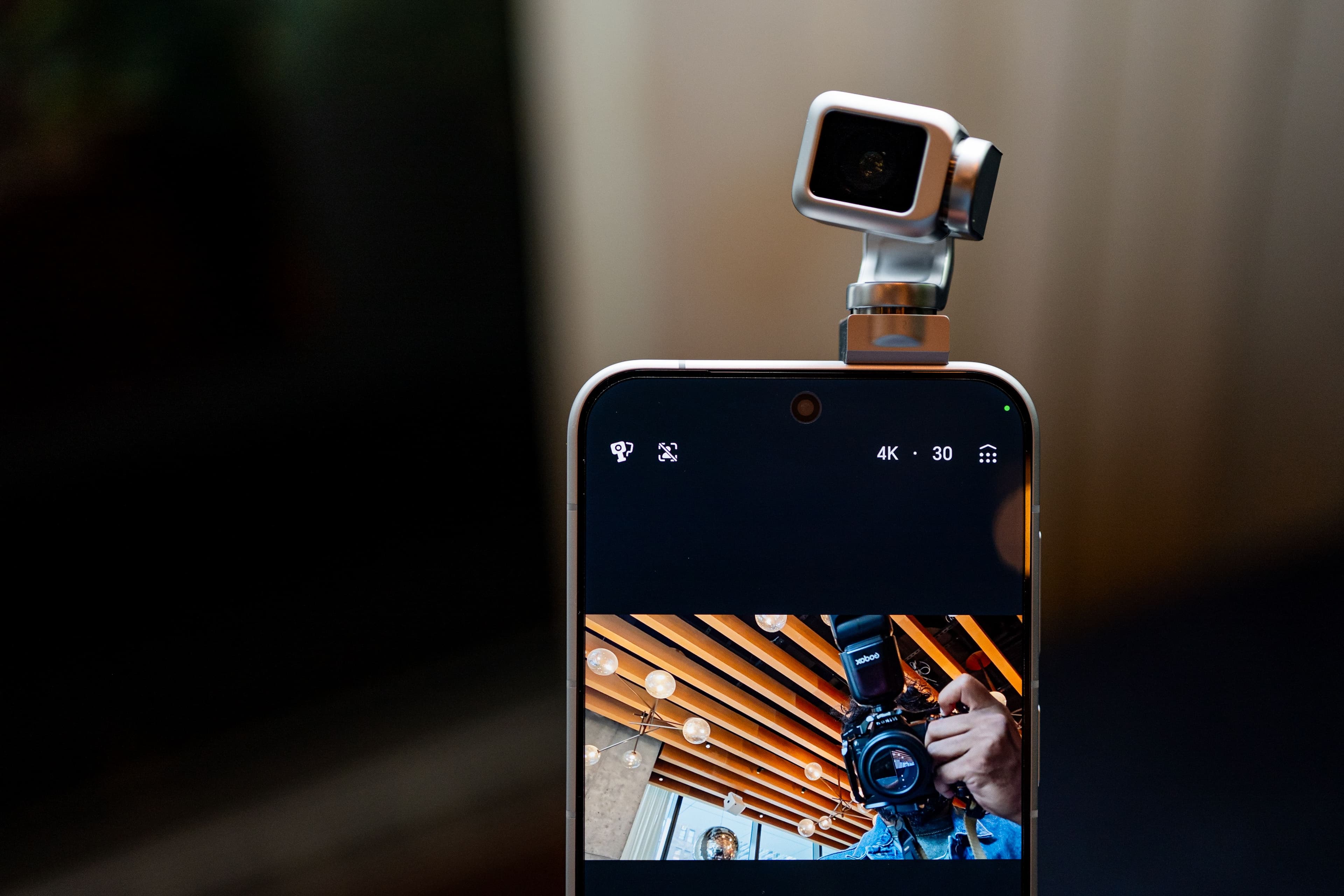
Honor has launched a smartphone in China that abandons conventional camera design in favor of a pop-out motorized gimbal system. The device, marketed as a robot phone, is engineered specifically for vloggers who want cinematic stabilization without carrying a separate gimbal.
Gimbal-Powered Camera Design
The phone’s standout element is a motorized camera unit that rises from the top edge when activated. This mechanism holds the main sensor inside a miniature gimbal, allowing it to tilt and rotate independently of the device body. Honor claims the system delivers smooth, jitter‑free footage even during walking or quick panning. The camera uses a 50‑megapixel sensor paired with the gimbal to reduce the need for post‑processing stabilization.
Who the Robot Phone Is For
Honor is positioning this device at content creators who currently rely on clip‑on gimbals or phone mounts. The integrated design removes the need to carry and pair a separate accessory. Vloggers, travel documentarians and casual social media creators make up the primary audience. The trade‑off involves a thicker chassis and a moving part that could be vulnerable to dust or drops.
The Market Context
Smartphone brands have long experimented with pop‑up cameras for selfies, but using a gimbal for the rear camera is a first. Competitors such as vivo and Xiaomi have focused on large sensors and optical image stabilization, not motorized hardware. Honor’s approach could spark a niche category of vlogger‑first phones. The China‑only release suggests the company is testing demand before considering broader distribution.
Why This Matters
If the robot phone gains traction, it could shift how phonemakers think about video capture. A dedicated gimbal camera solves a real problem for creators: the gap between built‑in software stabilization and external hardware. But the moving parts introduce reliability questions that standard fixed cameras avoid. For vloggers, the convenience of an all‑in‑one device may outweigh those concerns. The success of this experiment will likely influence whether other brands invest in similar mechanical camera systems.