Editor: Porcia Akua Holmes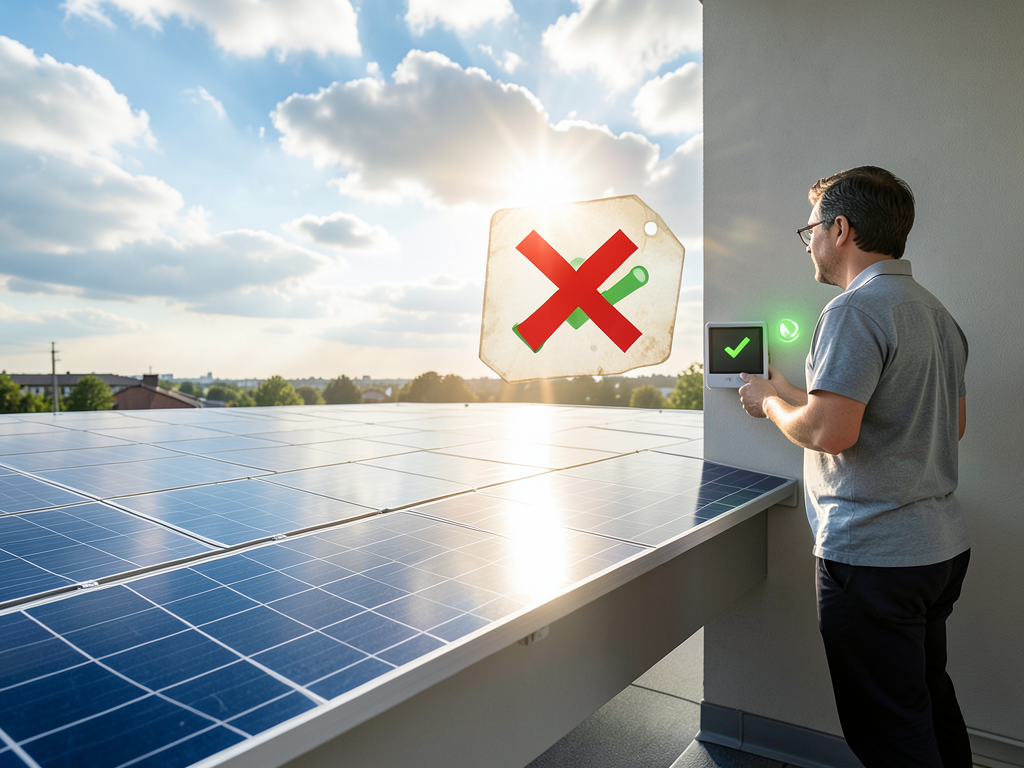
After years of residential solar installations across the United States, a persistent set of myths continues to cloud public understanding of home solar power. These misconceptions, ranging from exaggerated costs to doubts about reliability, can prevent homeowners from making informed energy decisions. Examining the evidence gathered from thousands of actual installations reveals a clearer picture.
The Cost Misconception
One of the most durable myths holds that solar panels remain prohibitively expensive for average households. Data from the past decade tells a different story. The average cost of residential solar systems has dropped by more than 70 percent since 2010, driven by manufacturing scale and technological improvements. Federal tax credits and state-level incentives further reduce upfront costs, making systems accessible to a broader range of homeowners.
Financing options, including solar loans, leases and power purchase agreements, have also lowered the barrier to entry. Many homeowners now see a return on investment within seven to 10 years, with systems lasting 25 years or more. The financial case for solar no longer relies on optimistic assumptions but on measurable outcomes from thousands of completed installations.
Efficiency and Performance Facts
Another common belief claims that solar panels lose significant efficiency in cloudy or cold climates. Performance data from northern states and regions with frequent overcast skies shows that modern panels capture diffuse sunlight effectively. Germany, a country with solar capacity rivaling that of sunnier nations, generates substantial solar power despite its cloudy weather.
Cold temperatures, in fact, slightly improve panel efficiency because photovoltaic cells perform better in cooler conditions. Snow cover can temporarily reduce output, but panels typically shed snow quickly due to their angled placement and dark surfaces. The net annual energy production in northern climates remains competitive, especially when combined with net metering programs that credit homeowners for excess power fed back to the grid.
Reliability and Maintenance
Skeptics often question whether solar panels can withstand hail, wind or aging. Industry testing and real-world performance data demonstrate that quality panels endure extreme weather events, including hailstorms that produce stones up to one inch in diameter. Most manufacturers offer performance warranties guaranteeing 80 percent or more of original output after 25 years.
Inverters, which convert DC power to AC, require replacement roughly every 10 to 15 years, but this cost is predictable and modest compared to fuel or grid electricity expenses over the same period.
Why This Matters
Households considering solar face a confusing landscape of competing claims. Believing persistent myths can lead homeowners to delay decisions, overpay for systems or choose unsuitable equipment. The broader implications extend beyond individual savings. Widespread solar adoption reduces strain on electrical grids, lowers carbon emissions and stabilizes energy costs for entire communities. Accurate information directly affects whether families can access these benefits.
Homeowners should seek verified performance data from local installations and consult multiple contractors before committing. Independent resources, such as the U.S. Department of Energy's Solar Energy Technologies Office, provide unbiased guidance on system sizing and financing.
The years of evidence from millions of operating solar systems make clear that many early doubts have been resolved by real-world experience. The technology works, the economics are viable and the benefits are accessible to most homeowners willing to look past outdated myths.