Editor: Porcia Akua Holmes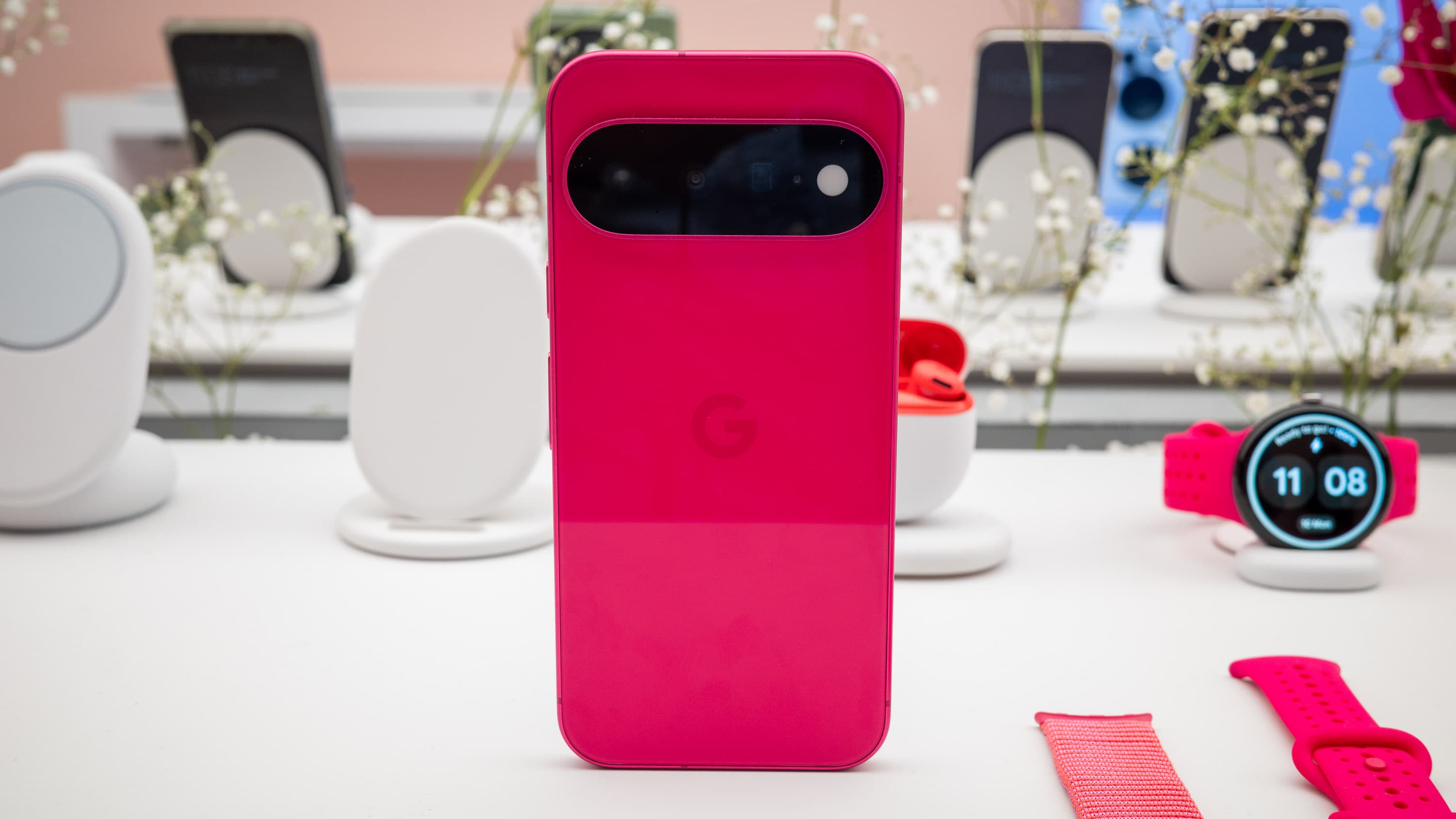
Google is preparing to shake up the mid-range smartphone segment with the Pixel 11, a device that brings a 30x zoom capability and a completely redesigned camera bar to a $899 price point. The new model signals a shift in how the company approaches camera hardware, moving beyond software tricks to offer a more ambitious optical system in a phone that costs hundreds less than premium flagships.
The Pixel 11's Key Upgrades
Sources indicate the Pixel 11 will feature a periscope-style telephoto lens capable of 30x hybrid zoom, a significant jump from the Pixel 10's 15x limit. The new camera bar adopts a slimmer profile than previous generations, reshaping the rear housing to accommodate the larger sensor array.
The combination of hardware and software refinements could position the Pixel 11 as a top choice for photography enthusiasts on a budget. Google's computational photography, including Real Tone and Night Sight, will work alongside the new optics to produce consistent results.
Why This Matters
The Pixel 11's 30x zoom and redesigned camera bar directly challenge the assumption that premium imaging must come from phones above $1,000. For consumers who value zoom but not flagship price tags, this device creates a new benchmark. It also pressures competitors like Samsung and Apple to bring mid-range cameras closer to their Ultra and Pro standards, potentially accelerating a wave of affordable high-zoom phones. If the Pixel 11 delivers on its camera promises, it could reshape buying decisions in the $800–$1,000 range and push the entire industry to rethink how much zoom capability should cost.
Camera Design Evolution
Google has used a camera bar since the Pixel 6, but the Pixel 11's redesign is the most significant visual update in three years. The bar now extends across a smaller portion of the back, leaving more space for wireless charging coils and a larger battery. Early renders show a more integrated look, with the raised section blending into the chassis rather than sticking out abruptly. This approach not only changes aesthetics but also improves ergonomics when the phone rests flat on a table.
The move to a 30x zoom also signals that Google is investing in hardware rather than relying solely on Super Res Zoom, its software-based enhancement. While Super Res Zoom remains for lower-light scenarios, the optical assistance at longer distances will likely produce clearer detail in daytime shots. Users should see a tangible difference when capturing distant subjects, such as wildlife or architecture.