Senior Editor: Alan Agbele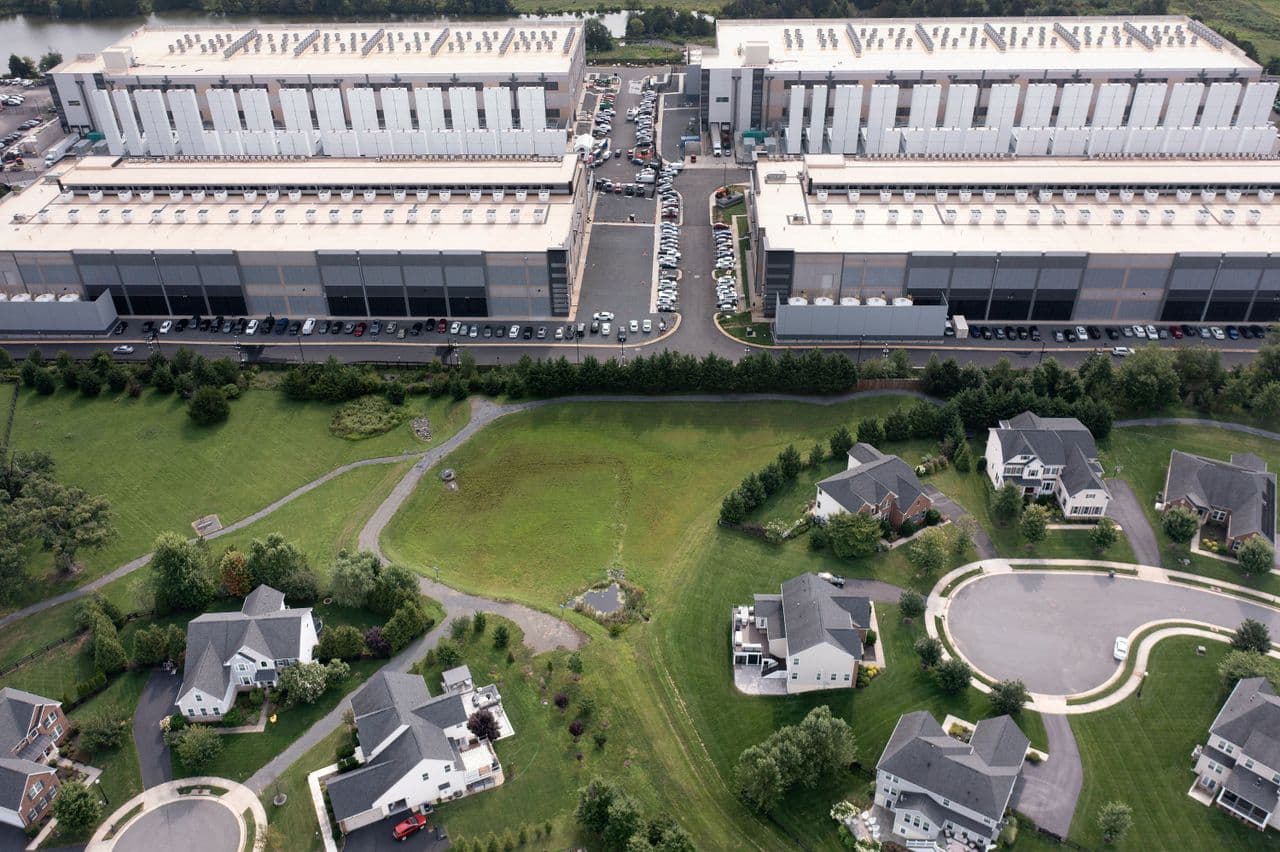
The largest grid operator in the United States asked federal regulators on Thursday to approve rules that would cut power to new large data centers before households during electricity shortages. PJM Interconnection, which serves 67 million people across 13 states and Washington, D.C., filed the proposal with the Federal Energy Regulatory Commission after two consecutive capacity auctions failed to secure enough generation, Reuters reported.
Background: Auction Failures and Price Spikes
PJM’s capacity auction for the 2028/29 delivery year hit its $325 per megawatt-day price cap and still came up about 6,800 megawatts short of the operator’s reliability requirement. The independent market monitor attributed a 75.5% jump in regional power costs directly to data center demand. PJM expects the strain to intensify as AI buildouts accelerate, with board projections of 70 gigawatts of new large load by 2038.
How the Interim Resource Adequacy Service Works
The proposed Interim Resource Adequacy Service applies only to new loads of 50 megawatts or more at a single site that connect without bringing their own generation, or otherwise securing supply, by June 1, 2027. Existing facilities are not affected. The plan creates a Large Load Registry that tracks the location and megawatt draw of every qualifying site and whether it brings its own supply.
PJM cannot enforce these reductions directly. The operator told Reuters it lacks authority to curtail individual sites and would rely on utilities and state governments to carry out the cuts.
Virginia and the Data Center Boom
Virginia, home to the world’s largest data center cluster, has already ordered operators to pay for their own dedicated grid infrastructure. The state experienced severe 76% electricity price hikes attributed to data center demand. Data centers in PJM’s territory were curtailed once before under a Department of Energy emergency order issued in May, which enabled the operator to call on large loads with backup generation ahead of rolling blackouts. Thursday’s filing would turn that one-off authority into an established mechanism.
Why This Matters
The proposal signals a fundamental shift in how the grid accommodates the fastest-growing class of electricity consumers. Data center operators now face a clear choice: invest in their own generation, including natural gas, nuclear or battery storage, or risk being first in line for cutoffs during shortages. The move could slow the pace of data center construction in PJM territory, which spans major tech hubs across the Mid-Atlantic and Midwest. It also sets a precedent for other grid operators grappling with the same tension between AI infrastructure demand and aging power systems. For ratepayers, the policy may prevent the worst-case scenario of residential blackouts, but it could also accelerate the pass-through of new generation costs onto electricity bills.