Editor: Porcia Akua Holmes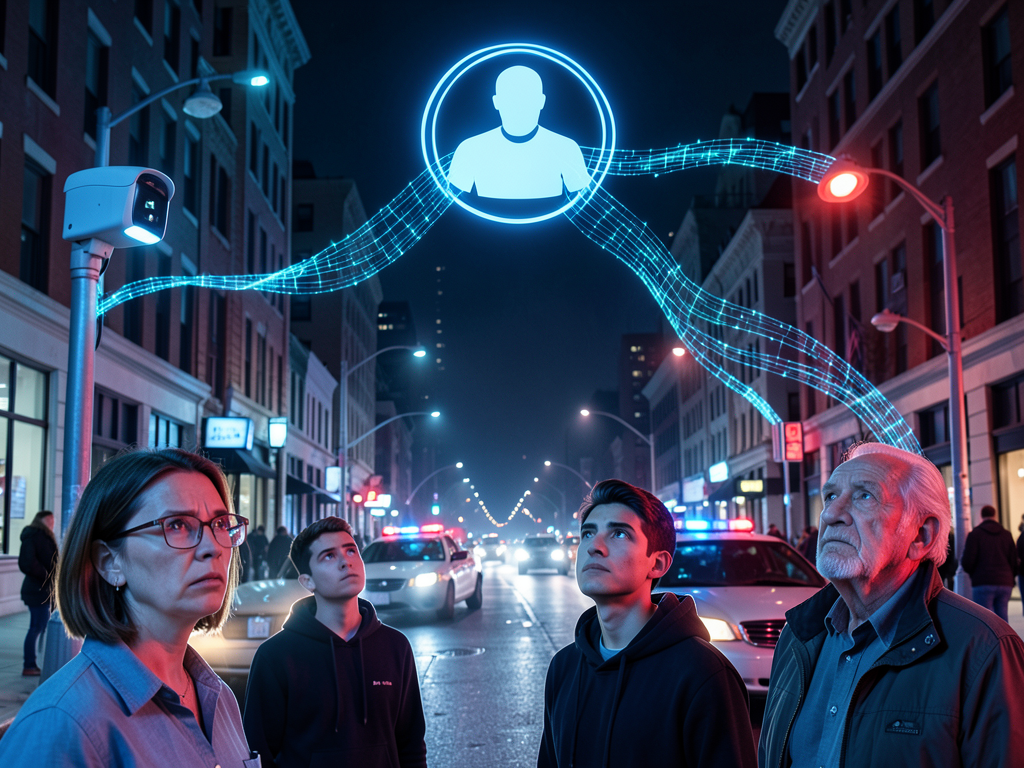
A federal surveillance program is forcing cities nationwide to funnel license plate data into a centralized database, a development that privacy advocates call an unprecedented expansion of government tracking. The initiative, which critics have dubbed 'Cities Are Forced,' requires local law enforcement agencies to hand over automated license plate reader records to federal authorities, effectively creating a national vehicle movement database without judicial oversight.
How the Data Collection Works
Automated license plate readers installed in police cruisers, on traffic poles, and at toll booths capture images of every passing vehicle. Under the federal surveillance program, this data must be funneled directly to a central repository managed by a Department of Homeland Security agency.
Privacy and Local Control Concerns
Local officials have pushed back against the program, arguing it undermines community trust and turns municipal police into federal surveillance agents. The American Civil Liberties Union has filed lawsuits in several states, claiming the mandate violates state laws that limit license plate data sharing. Some city councils have passed resolutions opposing the requirement but lack enforcement power.
Why This Matters
The program fundamentally shifts the balance of surveillance power from local to federal authorities. Without a warrant requirement, law enforcement can track any vehicle's movements across state lines, building detailed profiles of individuals' travel patterns. For drivers, this means every trip to a doctor's office, protest rally or political meeting can be recorded and stored for years. The data is also accessible to immigration enforcement and other federal agencies, expanding its use beyond traffic investigations. Legal challenges are likely to reach the Supreme Court, but until a ruling, the surveillance network continues to grow.