Google is testing a new pair of smart glasses that put real-time information directly into a wearer's field of view. The prototype devices run on Android XR and tap into the company's Gemini AI to deliver features like live translation and navigation cues.
The glasses represent Google's latest push into augmented reality. Unlike earlier efforts such as Google Glass, these new specs aim to blend digital overlays more naturally with the physical world. A camera and sensors track what the user sees, while Gemini processes the data to provide contextual assistance.
How the Glasses Work
The prototype connects wirelessly to a smartphone for processing power. When looking at a foreign language sign, the glasses can translate it and display the translation in place of the original text. For navigation, arrows appear on the road ahead, guiding the wearer turn by turn.
Google demoed the device at a recent event. The translation feature worked quickly, though occasionally struggled with complex sentences. Navigation felt intuitive but requires a clear view of the street, which limits use in dense indoor spaces.
Key Features and Limitations
The glasses include a built-in speaker for audio alerts and a small touchpad on the frame for interactions. Users can also use voice commands via Gemini. The battery lasted about two hours during the demo, a limitation for all-day wear.
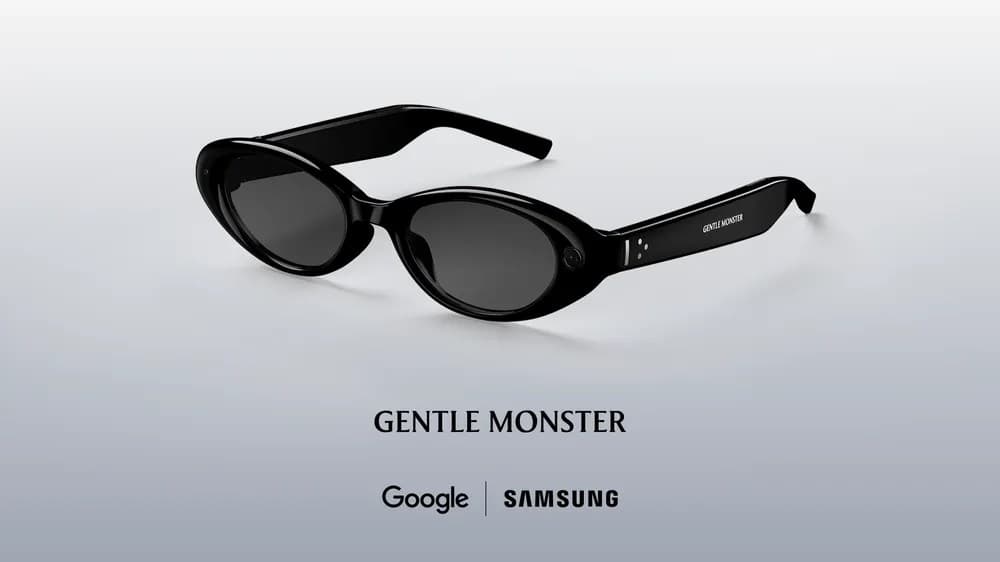
Design-wise, the glasses resemble thick-framed eyewear. They are heavier than standard glasses but lighter than many existing AR headsets. Google chose to keep the frame size moderate to make the device more socially acceptable.
Still, the prototype lacks polish. The display area is small, and text can feel cramped. The field of view is narrow, meaning information appears only in a portion of the lens. Google says these issues are expected to improve in later versions.
Why This Matters
Smart glasses have failed to gain mainstream traction for years. Google itself stumbled with the original Google Glass, which faced privacy concerns and a high price. This new effort, powered by Gemini AI, addresses some of those earlier shortcomings by focusing on utility over novelty.
If Google can refine the hardware and expand the software capabilities, these glasses could carve out a niche for hands-free assistance. Travelers, technicians and language learners are among the potential early adopters. For now, the device remains a glimpse of what AI-powered wearables might become.
The company has not announced a release date or price. But the prototype shows that Google is serious about making augmented reality work in a package that people might actually wear.