Senior Editor: Alan Agbele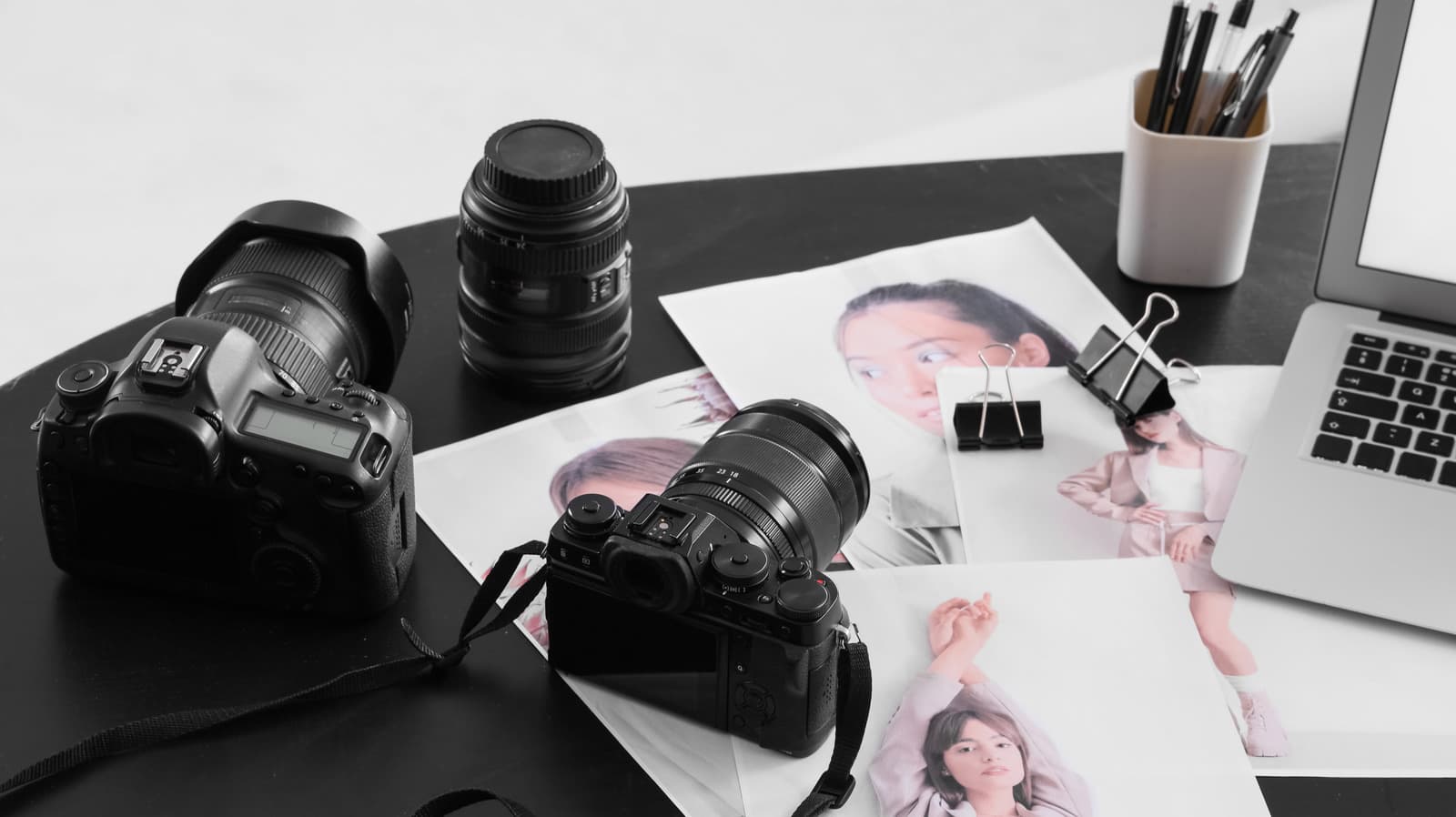
The photography industry is undergoing a fundamental shift as mirrorless cameras rapidly erode the dominance of The DSLR. Once the undisputed choice for professionals and enthusiasts, single-lens reflex cameras now face a growing challenge from compact interchangeable-lens systems that offer faster autofocus and lighter bodies. The debate over the advantages to buying a mirrorless camera over a DSLR and the disadvantages of each has intensified as the market evolves.
Market Shift from DSLR to Mirrorless
Sales data shows a steady decline in DSLR shipments since 2018, while mirrorless models now account for the majority of interchangeable-lens camera purchases. Major manufacturers such as Canon, Nikon and Sony have refocused their research and development on mirrorless systems, releasing fewer new DSLR bodies each year. The trend reflects a broader consumer demand for lighter gear and advanced video capabilities that mirrorless designs naturally accommodate.
The DSLR architecture, with its reflex mirror and pentaprism, imposes physical size limits that mirrorless cameras avoid. By eliminating the mirror box, brands can shrink body dimensions and reduce flange distance, enabling more compact lens designs. This engineering advantage has allowed mirrorless systems to match and surpass DSLR image quality in many scenarios, particularly in low light and continuous autofocus tracking.
Key Advantages and Trade-Offs
For photographers evaluating the advantages to buying a mirrorless camera over a DSLR and the disadvantages of each, several factors stand out. Mirrorless cameras offer real-time exposure preview through the electronic viewfinder, silent shooting and superior video autofocus. Battery life, however, remains a concern. Mirrorless models typically deliver 300 to 400 shots per charge, compared with 800 to 1,200 for comparable DSLRs. The optical viewfinder of The DSLR also remains preferred by some action and wildlife shooters who dislike electronic lag.
Why This Matters
The transition from The DSLR to mirrorless will reshape how photographers invest in gear over the next decade. Professionals who own extensive DSLR lens collections face expensive adapter solutions or complete system swaps. Casual users, however, benefit from lower entry prices and easier handling. Industry analysts expect DSLR production to cease entirely within five to seven years, mirroring the film-to-digital transition. For anyone buying their first interchangeable-lens camera today, the choice is increasingly a mirrorless one.
Manufacturers are also pushing firmware updates that add new features to existing mirrorless models, extending their useful life. Meanwhile, The DSLR market contracts to a niche of loyalists who value its specific strengths. The advantages to buying a mirrorless camera over a DSLR and the disadvantages of each will continue to evolve, but the direction of the industry is clear.