Editor: Porcia Akua Holmes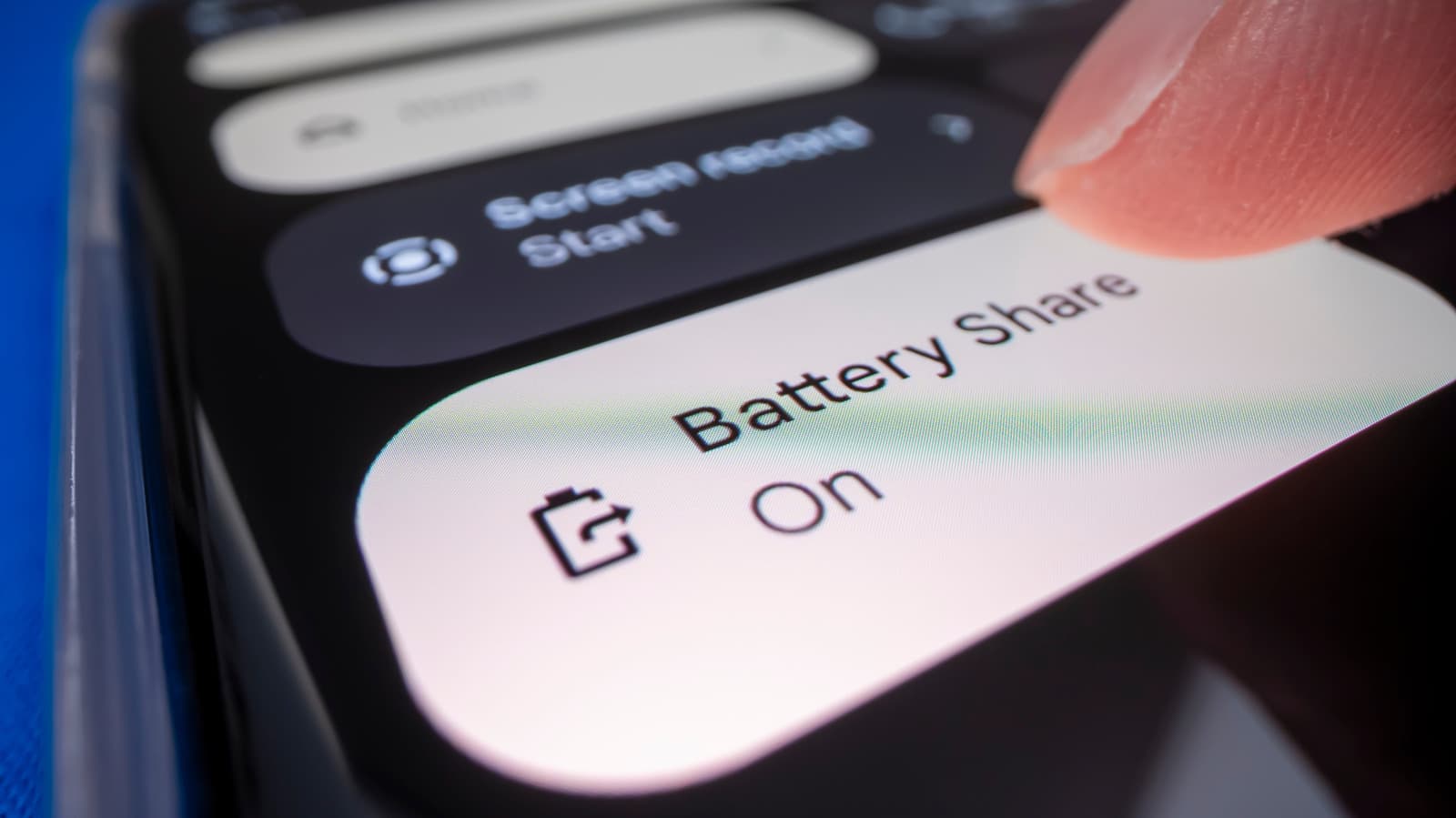
The ability to use one smartphone to charge another is no longer a niche feature reserved for premium flagships. A growing number of midrange and budget devices now support reverse wireless and wired charging, making peer-to-peer power sharing more accessible than ever. The idea that you can charge your phone with another phone has moved from experimental to practical, with clear steps for any user to follow.
How Reverse Wireless Charging Works
Reverse wireless charging uses the phone's existing induction coil to send power outward. When enabled, the device acts like a standard wireless charging pad. The receiving device must support Qi wireless charging or have a compatible receiver. Wired reverse charging, on the other hand, uses a USB-C to USB-C or USB-C to Lightning cable to transfer power directly. Both methods rely on the host phone having sufficient battery capacity, usually above 30 percent, to avoid draining itself.
Devices That Support This Feature
Major manufacturers have integrated reverse charging into their high-end and midrange lines. The How Phone, along with models from Huawei and OnePlus, also offers this capability, though implementation varies by software version. Apple's iPhone lineup supports wired reverse charging when using a Lightning to USB-C cable, but wireless reverse charging remains absent. Users should check their device's battery menu for a “Reverse charging” or “Battery Share” toggle.
Why This Matters
The widespread availability of reverse charging alters how users manage daily power needs. Instead of carrying a separate power bank, a single phone can serve as an emergency backup for a friend's low battery or for wireless earbuds that run out mid day. This capability reduces the number of chargers and cables people need to carry, aligning with broader trends toward minimalism and convenience. For professionals or travelers, the ability to keep a secondary device running without extra hardware can be a deciding factor when choosing a phone. As battery technology struggles to advance rapidly, software features like reverse charging fill a practical gap and may become a standard expectation in future devices.