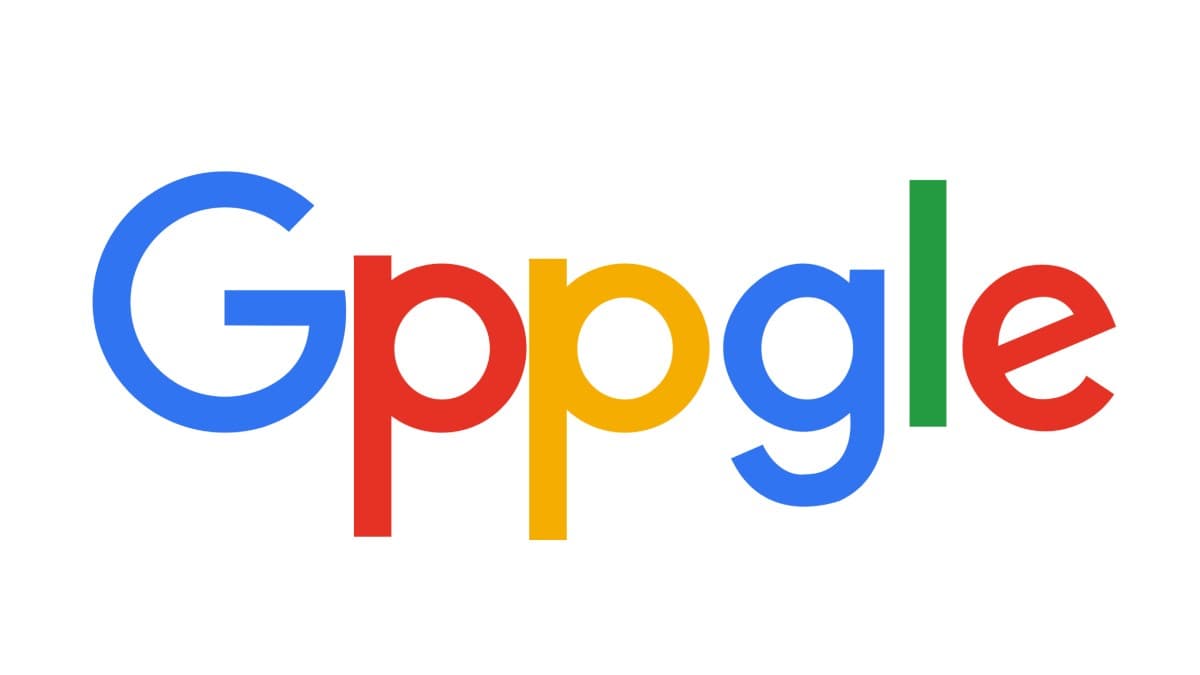
Google's artificial intelligence cannot reliably spell the word Google. That is not a joke. It is a documented flaw in the company's most advanced language models.
The problem extends far beyond one word. AI systems from Google and other tech giants routinely misspell common terms. They transpose letters. They invent nonsensical sequences. For a technology built on predicting the next character, this failure is telling.
The Spelling Blind Spot
Large language models do not see words the way humans do. They break text into tokens, small chunks of characters that may not align with actual words. The word Google might be tokenized as Goo and gle. The model then predicts the next token, not the next letter.
This tokenization approach works well for generating fluent sentences. It fails spectacularly at precise tasks like spelling. A model can write a paragraph about search engines but cannot verify that it spelled Google correctly. The model has no internal representation of a word's correct spelling.
Google's own AI, including Gemini and earlier iterations, has been caught struggling with this. Users have shared examples of the model offering misspelled variants of Google itself. The company has acknowledged the issue but has not solved it.
Why This Matters
Spelling errors in AI outputs erode trust. When a user sees an AI misspell a well known brand, they question the system's reliability. For businesses deploying AI in customer facing roles, such mistakes can damage credibility and confuse users.
The problem also reveals a fundamental tension in AI design. Models optimized for fluent conversation prioritize speed and coherence over accuracy. Spelling checks are often handled by separate modules, if they exist at all. The core language model itself is indifferent to correct spelling.
As AI becomes more embedded in writing tools, email clients and search engines, this flaw will affect more people. A model that cannot spell its own maker's name cannot be trusted with critical communication.
Broader Implications
Researchers argue that the tokenization approach needs rethinking. Without a character level understanding, language models will remain vulnerable to basic errors. Google and its competitors face pressure to either add spelling verification layers or redesign how models process text.
For now, the fix remains incomplete. Users should double check any AI generated text for spelling mistakes. The AI itself cannot.