Editor: Porcia Akua Holmes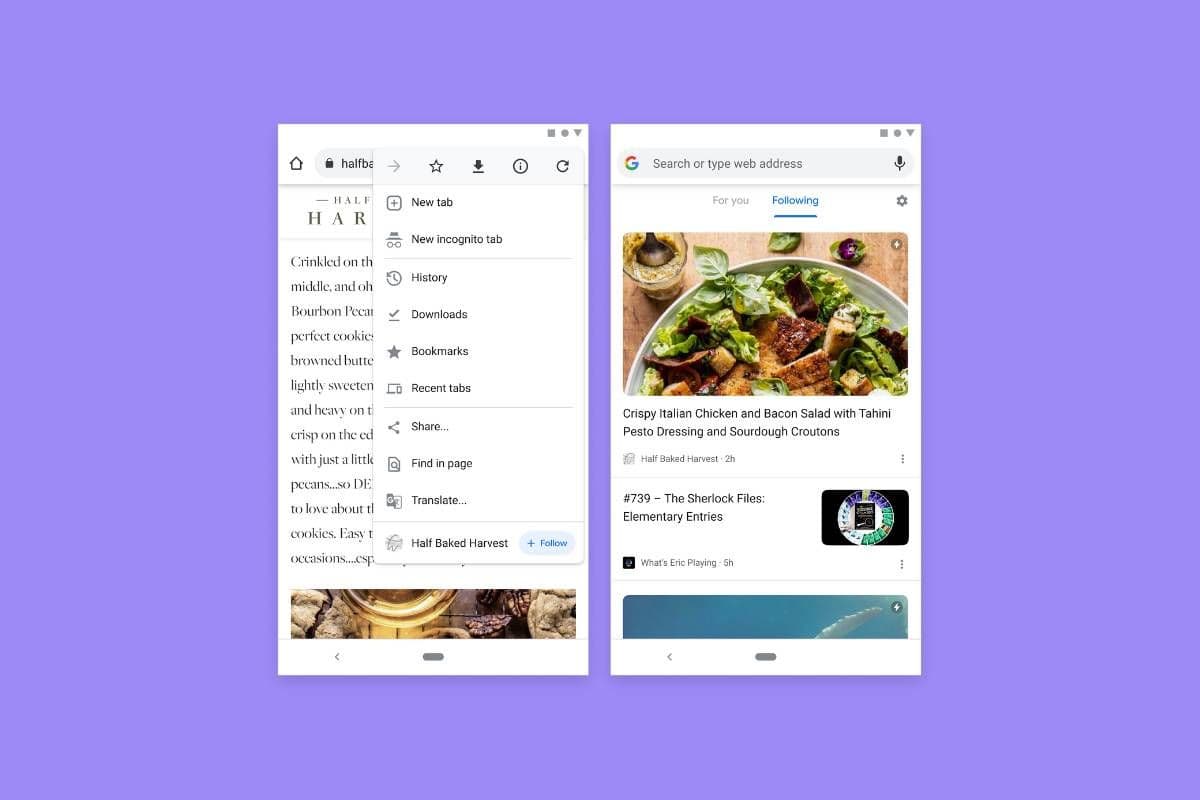
Google is testing a new feature in Chrome Canary that allows users to follow their favorite websites directly from the browser. The experimental tool aims to simplify how people track updates from sites they visit regularly, reducing the need for third-party services or manual checking.
How the Follow Feature Works
The new capability adds a follow button within the browser interface, likely near the address bar or in the overflow menu. When activated, users can subscribe to a website and receive updates directly through Chrome. The system appears to work similarly to traditional RSS readers but is built natively into the browser, eliminating the need for separate apps or extensions.
Early reports from Chrome Canary testers indicate the feature integrates with Chrome's notification system. Subscribed sites can push new content alerts, making it easier to stay current without visiting each site individually. Google has not yet detailed whether the feature will support custom feeds or filtering options.
Why This Matters
This move signals Google's intent to reclaim content discovery from social media platforms and dedicated feed readers. By embedding a follow mechanism directly into Google Chrome, the company gives users a centralized hub for web updates. Publishers, however, may face pressure to optimize their sites for Chrome's native subscription model rather than relying on email newsletters or social media algorithms.
For everyday users, the feature reduces dependency on fragmented tools. Instead of juggling multiple apps or bookmarking pages, they can consolidate updates within the browser they already use. This convenience could increase engagement with smaller websites that struggle to maintain a social media presence. On the other hand, privacy advocates may raise concerns about Google gaining deeper insight into browsing habits and content preferences.
The Rollout Path
Google typically introduces experimental features through a staged pipeline. The journey from concept to stable release follows a predictable pattern:
Not every experiment survives the journey. Google often abandons features that fail to gain traction or cause performance issues. The follow feature, however, aligns with broader industry trends toward browser-based content aggregation. Competitors like Microsoft Edge have introduced similar capabilities, suggesting this is a strategic priority for Google.
Users eager to try the feature can download Chrome Canary today, though stability is not guaranteed. Those who prefer reliability should wait for the Chrome Beta release, which typically arrives weeks or months after initial Canary testing. Google has not announced a timeline for the stable launch.