Editor: Porcia Akua Holmes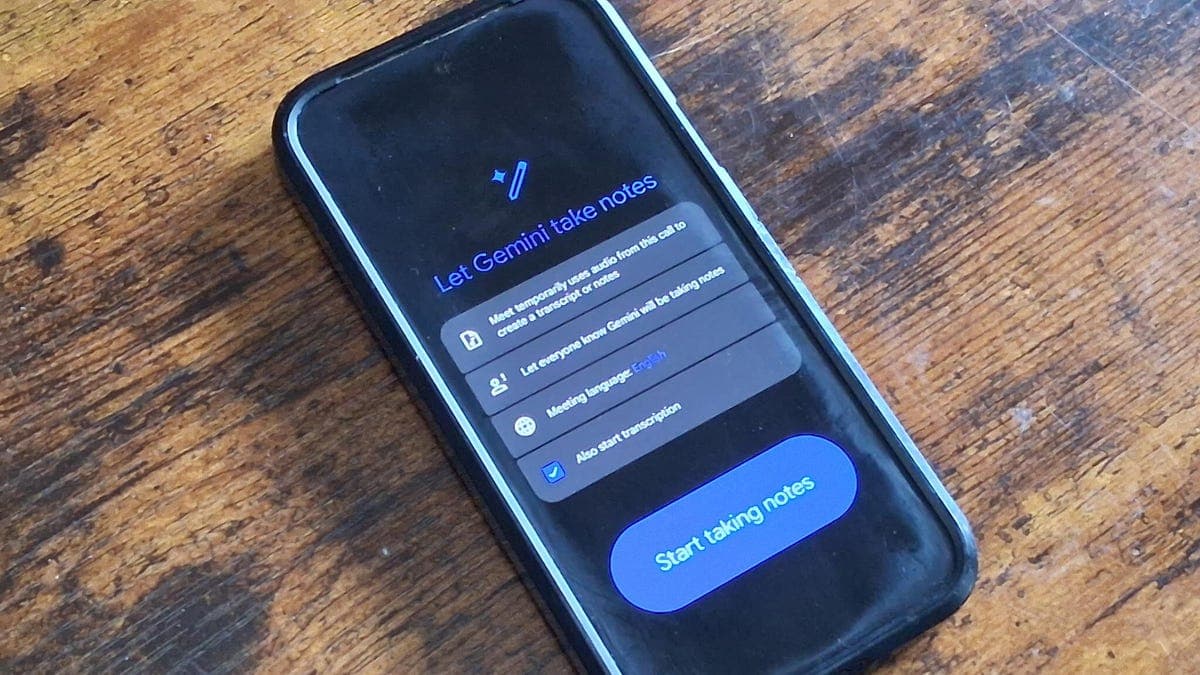
Google Meet has introduced a feature that allows users to capture meeting notes during in-person gatherings, a move that blends the company's artificial intelligence capabilities with real-world collaboration. The tool, powered by Google's Gemini model, transcribes spoken conversations, stores the notes in Google Drive and sends a copy via email.
How the Feature Works
To use the new note-taking capability, a participant opens Google Meet on a mobile device and selects the in-person meeting option. The app then uses the device's microphone to capture audio, which the Gemini AI transcribes in real time. Once the meeting ends, a full transcript is automatically uploaded to Google Drive and emailed to the organizer. No additional hardware or software is required beyond a smartphone or tablet with the Google Meet app.
Integration With Google Drive
The automatic saving of transcripts to Google Drive ties the feature directly into Google's productivity ecosystem. Users can search, edit or share the documents like any other Drive file. This integration means meeting notes are immediately available to everyone with permission, eliminating manual distribution steps. For organizations already using Google Workspace, the addition represents a seamless extension of existing workflows.
Why This Matters
This update signals Google's push to erase the line between digital and physical meetings. For hybrid teams, the ability to capture in-person discussions in the same format as virtual calls creates a unified record. It reduces information loss when switching between meeting types and lowers the burden on participants to remember or write down details. The move also underscores how AI is moving from online-only tools into everyday office tasks, with Google positioning Gemini as a core productivity engine. Privacy considerations remain, as the feature requires audio recording in shared spaces, but Google says transcripts are stored under standard Drive security settings.