Editor: Porcia Akua Holmes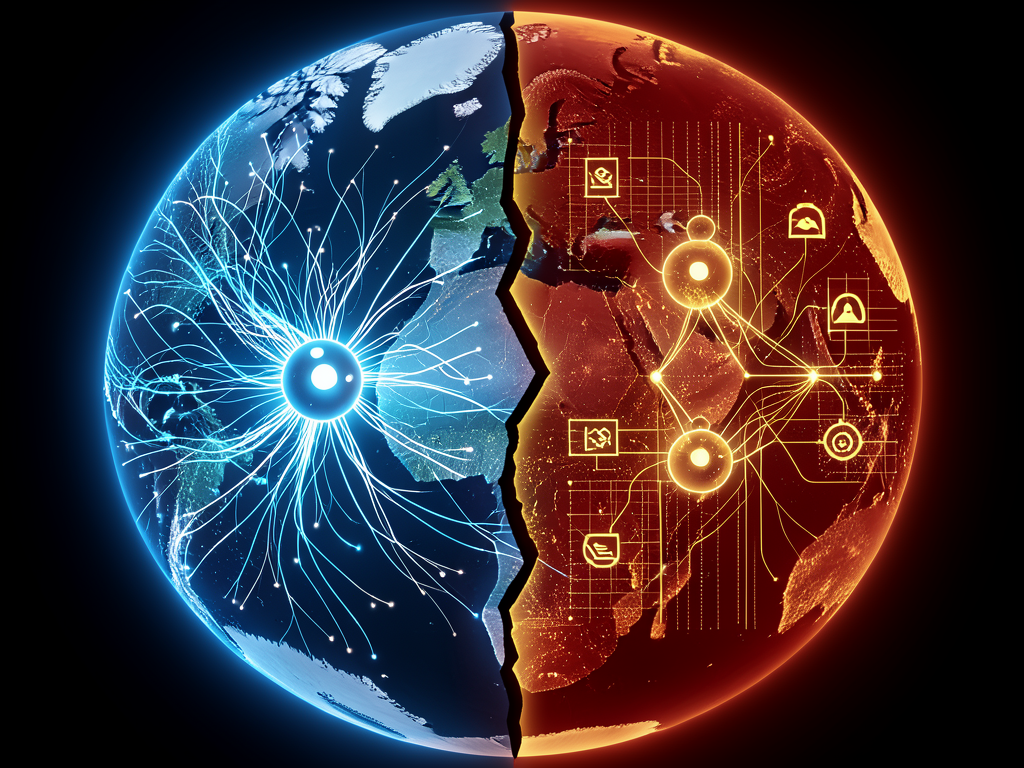
Three AI systems from the United States and China are accelerating a divergence in how the global web operates, creating what experts describe as an increasingly uneven digital landscape. The agents, built by rival ecosystems, now handle millions of queries daily and are pushing the internet toward separate standards and behaviors.
The Three Agents at the Center
The three AI agents in question were not named in the original report, but industry sources point to flagship systems from OpenAI, Baidu and a third Chinese startup. Each represents a core strategy for its home market. The US-based agent prioritizes open-ended reasoning and minimal content filters. The two Chinese agents emphasize safety, state alignment and integration with domestic payment and social platforms.
Why This Matters
The uneven distribution of these three AI agents means users in the US and China experience fundamentally different webs. A query about a sensitive historical event returns opposite answers depending on which agent processes it. For multinational corporations, this creates a compliance nightmare: an AI assistant trained in one country may violate regulations in another. The gap also threatens to splinter technical standards for how apps and websites interact with AI. If the two blocs refuse to align their agents' protocols, the web could evolve into two incompatible zones, raising costs for developers and limiting cross-border data flow.
Broader Industry Impact
The rise of these three AI agents signals a shift from search engines to conversational gatekeepers. Instead of pointing users to external pages, the agents synthesize answers directly. This changes the economic model of the web, reducing traffic to publishers and increasing the power of the agent providers. Regulators in Europe and Southeast Asia are now watching the US-China dynamic closely, worried they may be forced to choose one camp. The outcome of this agent race will likely determine whether the next generation of the internet remains unified or fragments along geopolitical lines.