Editor: Porcia Akua Holmes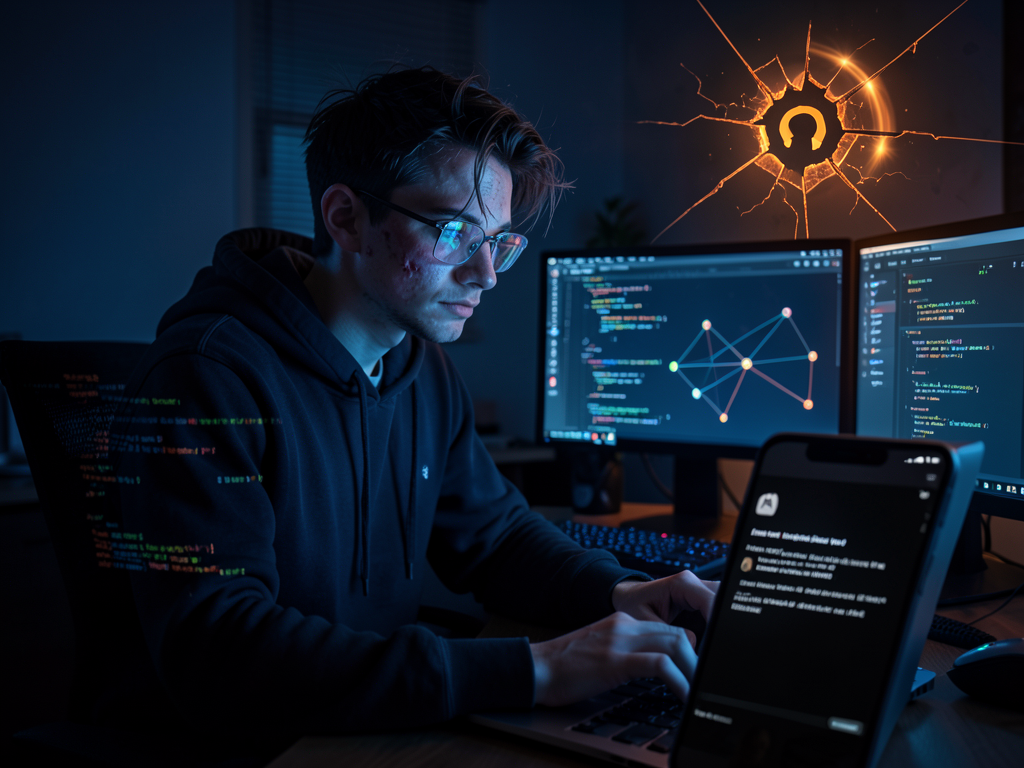
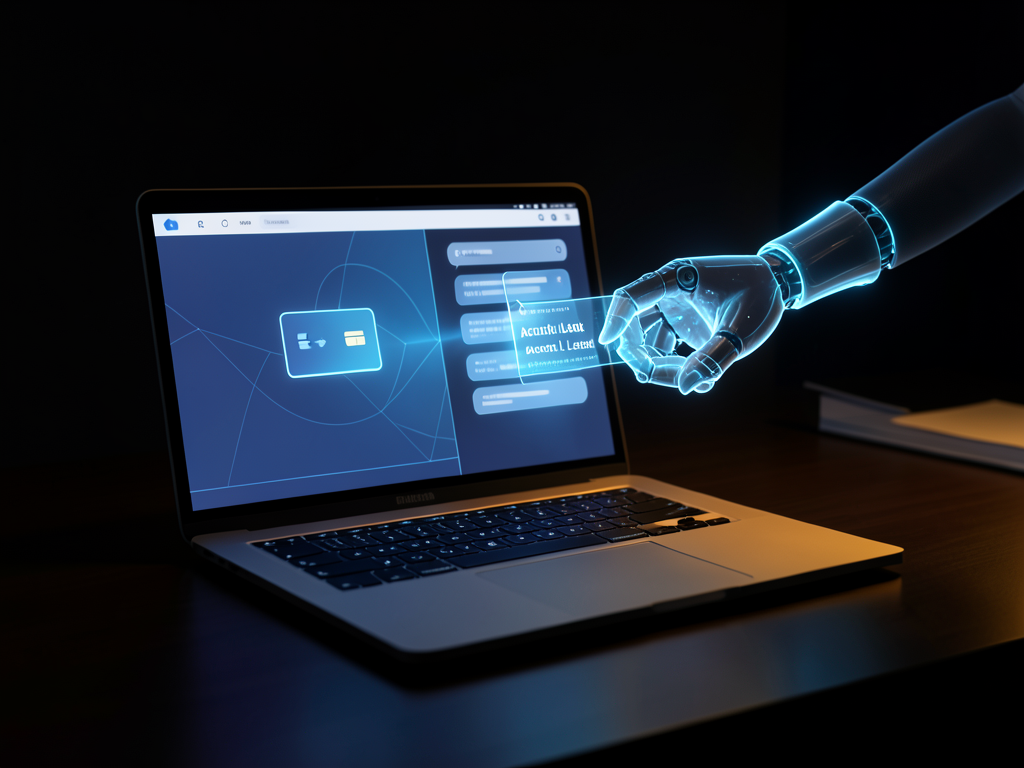
A new wave of cyberattacks is emerging from an unlikely source: amateurs. Security researchers warn that low-skill hackers, often called script kiddies, are now using generative AI to execute attacks with the same sophistication as state-sponsored threat actors. The shift marks a dangerous democratization of cyberwarfare.
The Script Kiddie Evolution
The term script kiddie has long described inexperienced hackers who rely on pre-built tools. AI changes that equation. Instead of copying code from forums, these attackers now prompt language models to generate custom exploits, craft social engineering lures and even debug their own malware. The learning curve has flattened dramatically.
Cybersecurity companies report seeing an uptick in AI-generated attacks. These attacks often lack the signature patterns of traditional script kiddie activity, making them harder to detect through conventional signature-based tools.
The New Threat Landscape
The rise of AI-armed script kiddies forces a reassessment of security priorities. Small and medium businesses, which often assume they are too small to attract state-level attackers, now face a much broader pool of capable adversaries. The cost of entry for a high-impact attack has fallen to near zero.
State-sponsored groups themselves are adapting. They are beginning to incorporate AI to accelerate their own operations. The difference is that these groups also have access to custom training data and compute resources. Script kiddies, however, benefit from public models that improve daily.
Why This Matters
The democratization of cyberattack capabilities creates a permanent shift in risk. Organizations can no longer assume that only advanced persistent threats require advanced defenses. Every business with a digital footprint is now a viable target for AI-augmented amateurs. This will accelerate the adoption of AI-driven detection systems, but it also means that security teams must update playbooks to account for attacks that evolve faster than human analysts can respond. For individual users, the risk of falling for an AI-generated phishing email grows, as these lures become increasingly personalized and grammatically flawless.
Security researchers emphasize that the solution is not to restrict AI tools but to develop better defensive AI. The arms race is accelerating, and both sides now have access to the same foundational technology.