Editor: Porcia Akua Holmes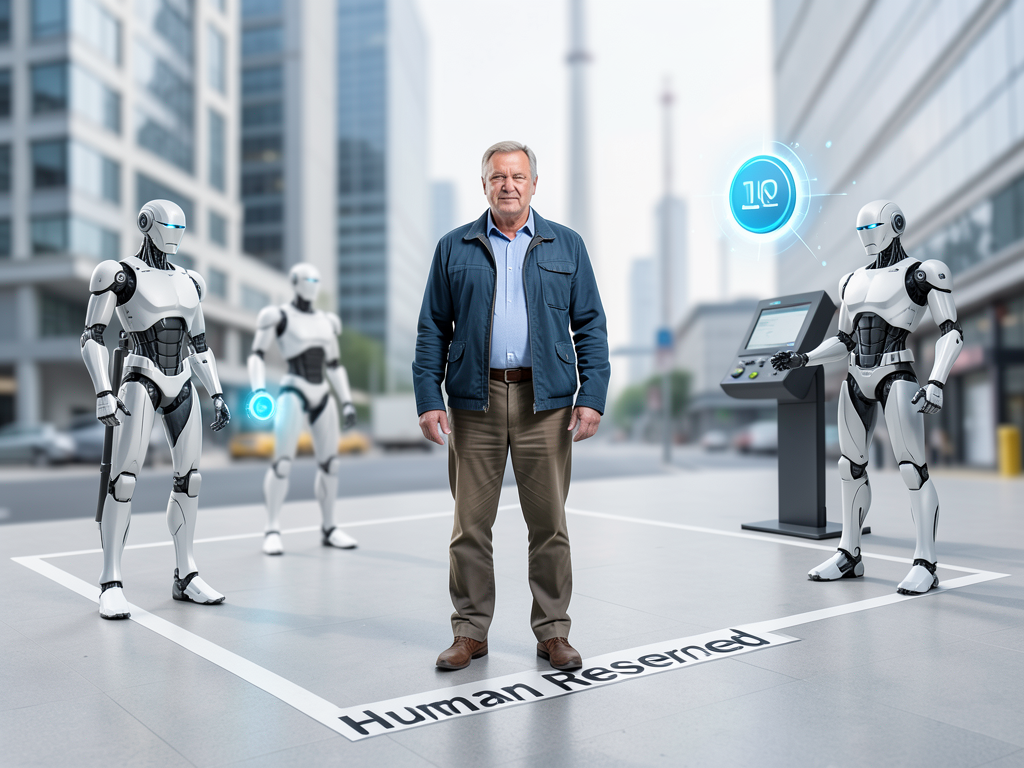
While the world debates the long-term effects of artificial intelligence, Bill Gates has issued a stark warning that governments are not moving fast enough to prepare for the disruption already underway. In a post on his GatesNotes blog, the Microsoft co-founder proposed a set of policies including reserving certain jobs exclusively for humans and taxing AI tokens and robots.
The Human Reserved Concept
Gates introduced the term 'Human Reserved' to describe jobs that should be shielded from full automation, drawing a parallel to nature reserves where development is restricted because the loss would be too great. These roles, he wrote, do not need to remain static but should evolve slowly, with AI tools introduced over years or decades. The example he gave was a 55-year-old construction worker who cannot easily transition to a different industry. Gates also noted that some jobs in education and healthcare will always require a human touch.
The billionaire philanthropist pointed out that entry-level roles have already declined sharply, making it harder for graduates to gain experience. He wrote that the people who need the most time are those with the least time, such as an accounting worker replaced by a bot or a $20-an-hour worker displaced by a $10-an-hour robot.
Why This Matters
The proposals from Gates represent a significant shift in how technologists are thinking about AI's societal impact. If adopted, these policies could set a global precedent for managing automation-induced disruption. Without action, the rapid displacement of workers could lead to economic instability, social unrest and a hollowing out of the tax base that funds public services. Governments, Gates argues, are not doing enough to prepare for what he calls one of the most turbulent times in human history.
Implications for Governments and Industries
The former Microsoft chairperson emphasized that the pace of AI change today is unlike anything seen before. Unlike computers or the internet, which took decades to permeate society, AI tools are already widely available and improving at breakneck speed. This leaves little room for gradual adjustment. Industries that rely heavily on entry-level or routine tasks face the most immediate disruption. The corporate sector, meanwhile, may resist new taxes on automation, creating a policy battle in the years ahead. Gates' call for a 'Human Reserved' framework adds a new dimension to the debate over the future of work.