Editor: Porcia Akua Holmes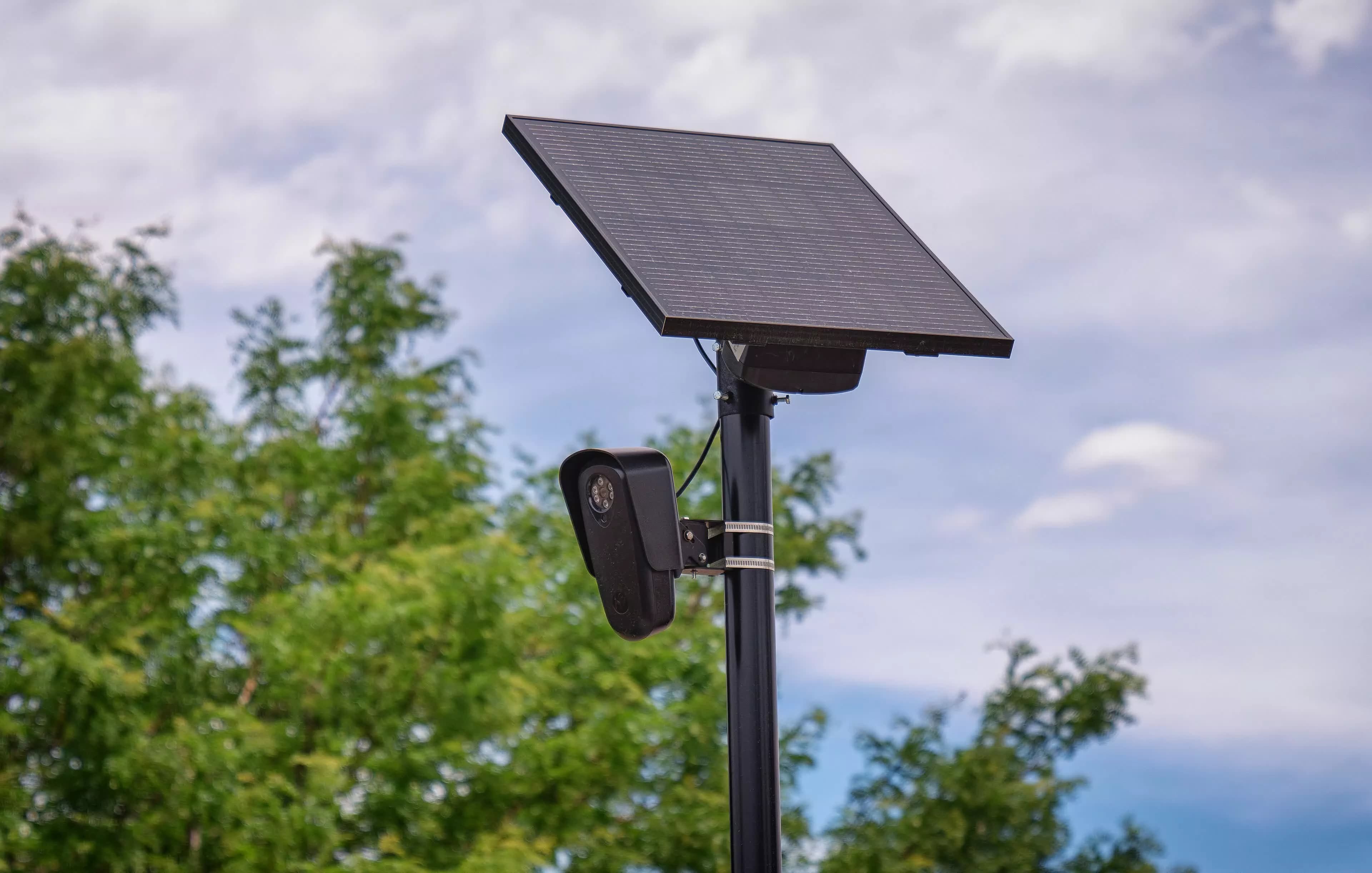
When Grass Valley, California, decided to terminate its relationship with Flock and remove the company’s license plate cameras, city officials believed the surveillance equipment was gone for good. They were wrong. Weeks later, an inspection revealed that Flock had reinstalled several cameras without the city’s knowledge or permission, reigniting questions about vendor accountability in municipal surveillance contracts.
Growing Backlash Against License Plate Surveillance
Flock, a leading provider of automated license plate recognition (ALPR) cameras, has faced mounting criticism in recent years. Critics argue the company’s devices create a pervasive surveillance grid, with data often shared across jurisdictions without meaningful consent from local residents. Grass Valley’s decision to cancel its contract was part of this broader trend, driven by concerns over privacy, cost and the potential for officers to use the system for unauthorized purposes.
Grass Valley is not alone. Several cities have cut ties with Flock after reports of misuse, including officers running personal license plates or accessing data for non-police matters. The company, however, has defended its technology as a legitimate crime-fighting tool used by thousands of agencies nationwide.
Reinstallation Without Authorization
After removing the cameras, city staff conducted a routine check of city-owned poles and structures. They found that Flock had reinstalled cameras at multiple locations, reconnecting them to the company’s network. City officials said they had not authorized the reinstatement and were not notified by Flock. The discovery prompted a formal complaint to the company and heightened scrutiny of its equipment on city property.
The incident raises practical questions about how surveillance hardware is managed once a contract ends. Without clear protocols for removal and verification, companies may retain physical access to infrastructure, posing a risk to local control.
Why This Matters
The unauthorized reinstallation of Flock cameras in Grass Valley underscores a troubling pattern: surveillance infrastructure can persist even after a community chooses to remove it. For residents, this erodes trust in both the vendor and the local government’s ability to control public space. For other cities weighing Flock contracts, the incident provides a cautionary example. It suggests that canceling a contract may not be enough to ensure cameras are gone unless the city physically repossesses all hardware and audits poles repeatedly. The episode also bolsters the argument for stronger state-level regulation of ALPR technology, including mandatory reporting and independent auditing of vendor compliance.
What Comes Next
Grass Valley has demanded that Flock remove the cameras and cease all unauthorized installations. The city is also reviewing its procurement and contract termination processes to prevent similar incidents. The broader debate over license plate cameras, however, continues to intensify, with privacy advocates pushing for stricter laws and law enforcement groups defending the technology’s role in solving crimes. How this balance is struck in California and elsewhere will shape the future of automated surveillance in public spaces.