Editor: Porcia Akua Holmes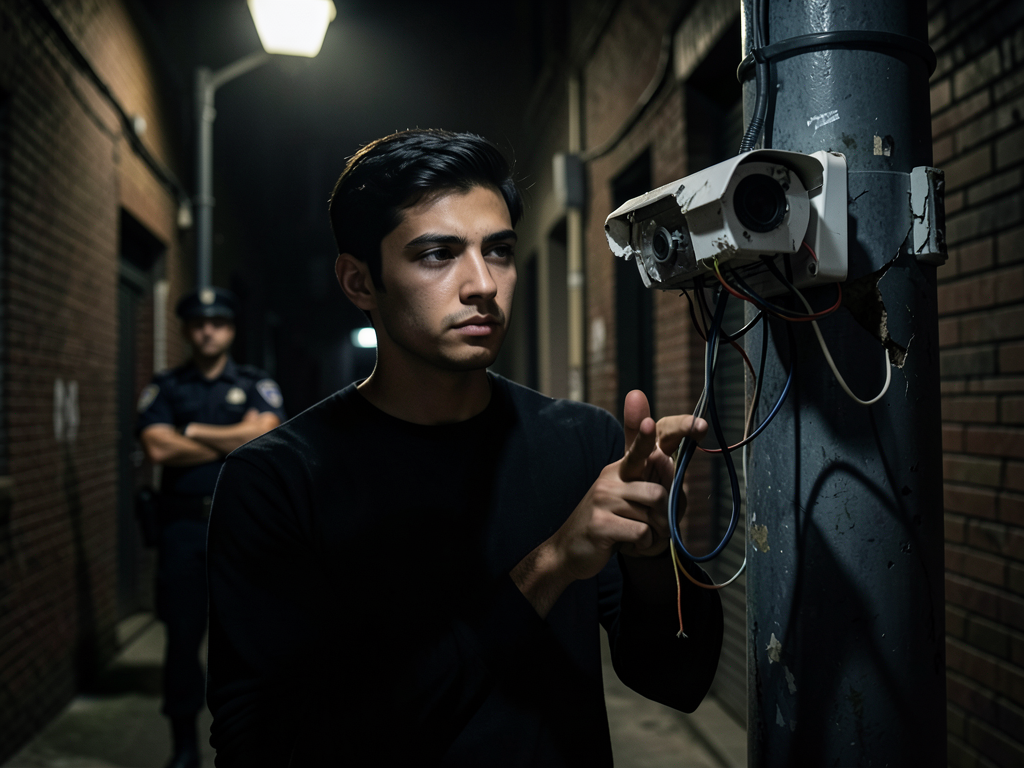
Evan Meyer, 24, originally faced three felony charges for destroying what he believed was a Flock Safety surveillance camera. Prosecutors have now reduced those charges to misdemeanors after the camera was revealed to be a replica.
Case Details and Legal Shift
Meyer initially faced three felony counts that carried significant prison time. The charges included criminal mischief causing more than $1,000 in damage, grand theft involving property valued between $750 and $5,000, and damaging or taking a computer or electronic equipment. Each of these crimes is classified as a felony under state law.
Prosecutors, however, later downgraded all three counts to misdemeanors after determining the destroyed camera was not genuine Flock equipment. The fake device lacked the internal components of a real Flock camera, which are part of a network of automated license plate readers used by law enforcement.
Broader Context of Surveillance Backlash
The case lands in the middle of a growing national debate over police surveillance technology. Flock cameras automatically capture license plates and vehicle images, storing data that can be searched by law enforcement. Critics argue these systems create a permanent tracking network without proper oversight.
Public frustration has led to incidents of vandalism and legal challenges across multiple states. While Flock Safety says its cameras aid in solving crimes, opponents view them as a privacy infringement. The fact that a fake camera sparked such high initial charges suggests a zero tolerance approach by prosecutors, which some legal experts say may discourage legitimate protest.
Why This Matters
The downgrade from felonies to misdemeanors changes Meyer's legal exposure dramatically. Felony convictions can result in years in prison, loss of voting rights and difficulty finding employment. Misdemeanor charges carry far lighter consequences, typically fines or short jail time.
Beyond one individual, the case signals how prosecutors may treat destruction of surveillance equipment. If a fake camera still draws three felony counts, real Flock devices could invite even harsher penalties. This creates a chilling effect for activists opposed to mass surveillance. The outcome also raises questions about appropriate charging: whether prosecutorial discretion was used proportionally or whether the initial charges were meant to send a message.