Senior Editor: Alan Agbele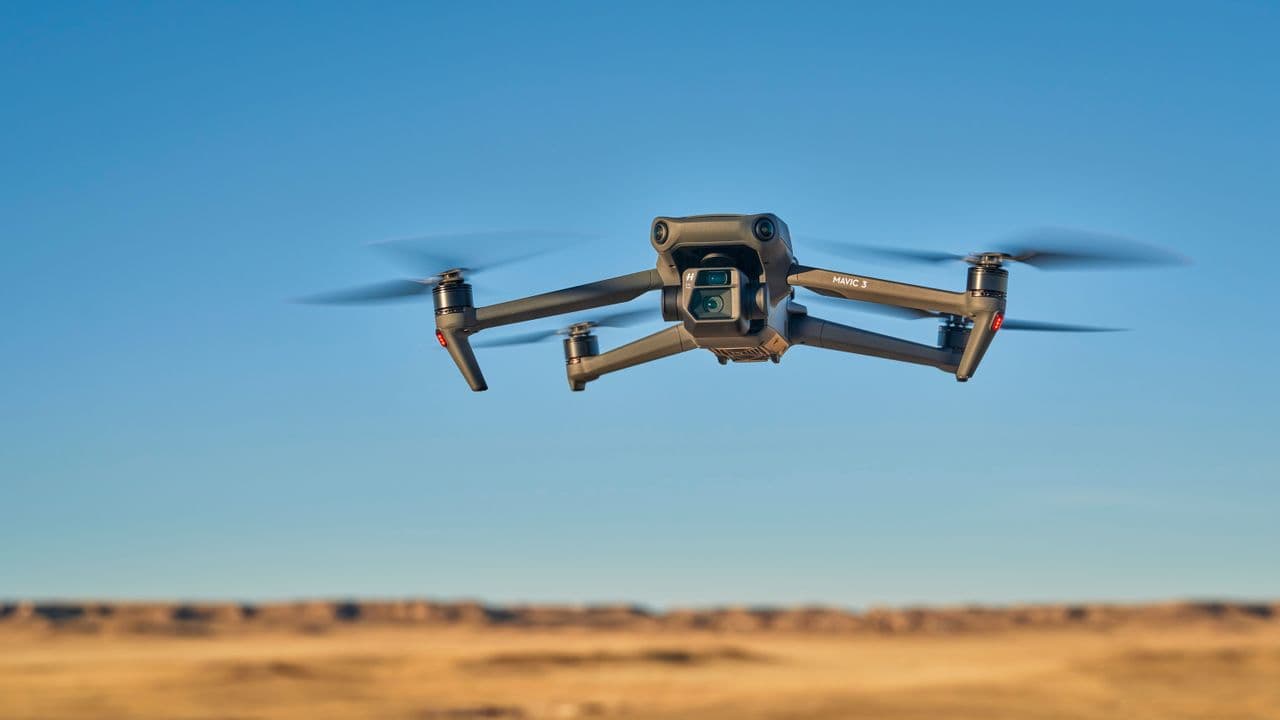
The Federal Communications Commission has proposed banning the import and sale of foreign-made drones containing LiDAR sensors, classifying the technology as military-grade in a move that could also affect thermal imaging models and drones used in synchronized light shows. The proposal expands a December 2025 ban that added all foreign-made drones and their critical components to the agency's Covered List, a registry of communications equipment deemed an unacceptable risk by U.S. national security authorities. That earlier order blocked new drone models from receiving FCC authorization but allowed previously approved models to remain on sale. The new notice, published August 3 in the Federal Register, seeks to retroactively strip sales clearance from those older models that escaped the initial ban.
What the FCC's Proposal Covers
The agency defines military-grade broadly, including drones with LiDAR (Light Detection and Ranging) sensors, thermal imaging cameras, agricultural spray dispensers (termed economic poison in the notice), a weight of 55 pounds or more, integrated docking stations, defense articles, or the ability to operate in coordinated swarms. The last category is wide enough to encompass drones used in synchronized light shows. The proposal applies only to foreign-made drones listed on the Covered List; U.S.-manufactured drones and those not on the list remain unaffected regardless of their features.
Impact on Drone Owners and the Market
The proposal would block popular consumer models such as DJI's Air 3S and Mini 5 Pro, both of which rely on LiDAR for obstacle detection. Existing owners would not be affected and could continue flying their drones. DJI has warned, however, that official spare parts could become increasingly difficult and eventually impossible to source over time. The FCC frames the move as a national security measure and tentatively concludes the economic impact on the consumer market would be minor, noting that military-grade models represent a small share of recreational sales. At the same time, the agency highlights that domestic drone makers such as Skydio have raised billions since the original ban, including a $3.5 billion commitment to U.S. manufacturing.
Why This Matters
The FCC's broad classification of civilian safety features as military-grade sets a precedent that could restrict tools used by first responders, farmers and hobbyists. DJI has argued the label is a category error, noting that LiDAR is a safety feature, not a weapon. The company previously sued the FCC over the December ban, claiming the agency exceeded its statutory authority. If adopted, the new rule could shrink the U.S. drone market, push consumers toward fewer alternatives and create supply chain disruptions for spare parts. The public comment period runs until September 2, 2026, with the ban slated to take effect roughly 180 days after final publication.