Editor: Porcia Akua Holmes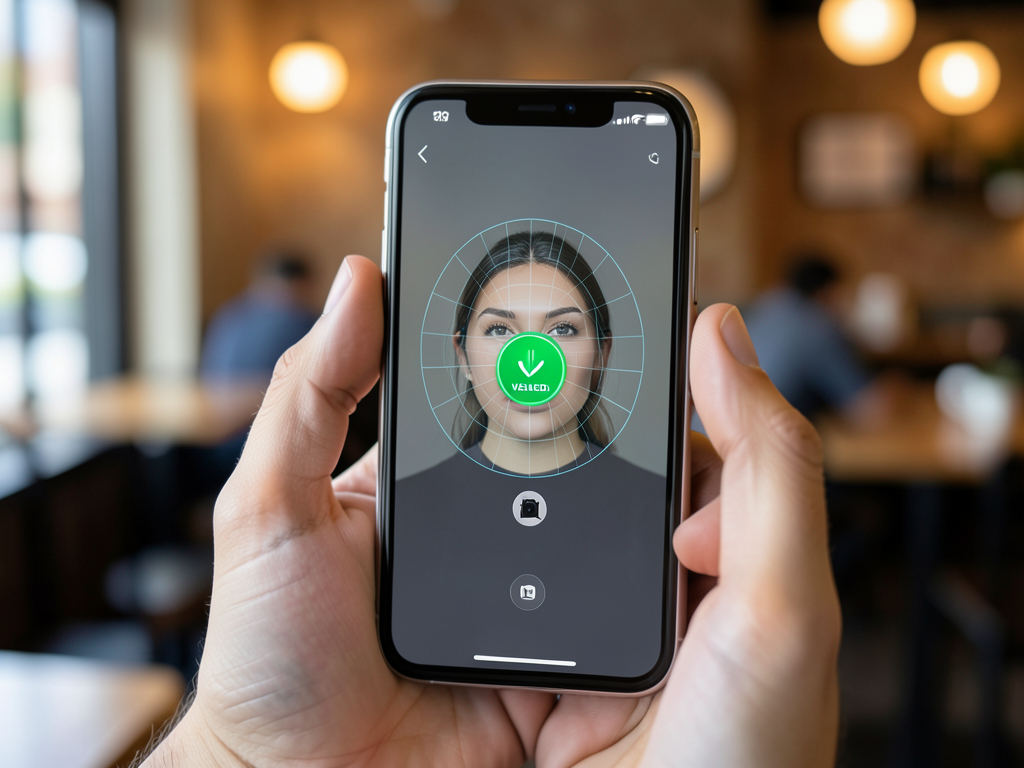
Dating apps are increasingly turning to face recognition technology to verify that users are real people, a shift that aims to reduce catfishing and automated scams. The practice, once rare, is becoming standard across major platforms. But the move toward biometric verification is raising new concerns about how companies handle sensitive facial data.
Biometric Verification Spreads Across Platforms
Leading dating apps now ask users to snap a selfie or record a short video as part of the sign-up process. The software checks for signs that a real person is present, such as blinking or head movement. If the system passes the scan, the account receives a verified badge. The goal is to create a safer dating environment by weeding out fake profiles early.
Some platforms have gone further, requiring periodic re-verification for accounts that behave suspiciously. The trend mirrors similar moves in banking and social media, where face recognition has become a gatekeeper for account security.
Privacy Concerns Mount Over Facial Data
Critics argue that collecting facial biometrics creates a permanent digital record that companies could misuse. Data breaches at dating apps have exposed intimate photos and chat histories in the past, and a leak of facial templates would be far harder to undo than a simple password change. Users cannot easily reset their face.
The concerns are especially acute in jurisdictions without comprehensive privacy laws. Some experts call for transparency around how dating companies store, share and delete biometric data. A few platforms now publish detailed policies, but enforcement remains uneven.
Why This Matters
The normalization of face recognition on dating apps sets a precedent for other consumer services. If millions of singletons accept a facial scan as a condition of finding romance, companies in travel, banking and retail are likely to follow suit. The trade-off between convenience and privacy will become harder to avoid. Regulators now face pressure to draw clear lines around when, and how, companies may demand biometric data from ordinary users.