Senior Editor: Alan Agbele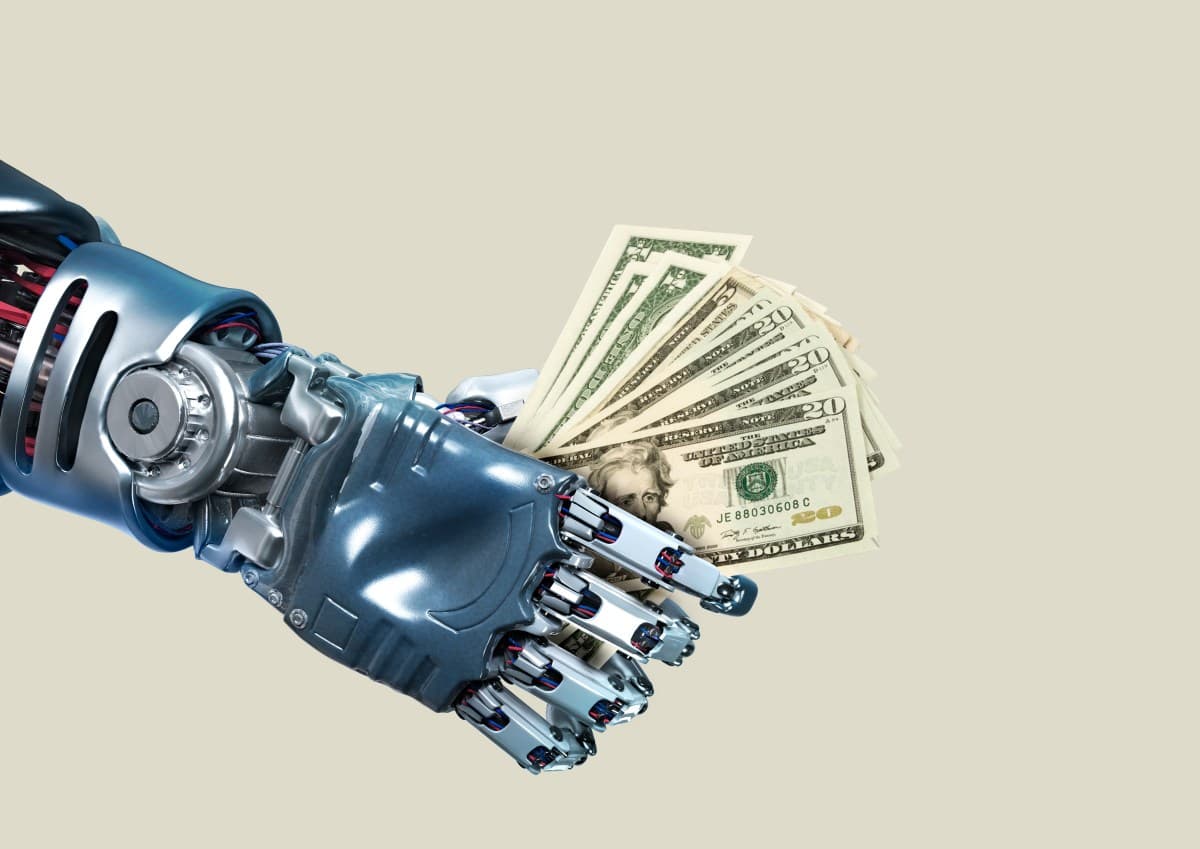
Artificial intelligence tokens are shedding their reputation as niche digital assets. Large financial exchanges are designing derivative products around them, treating AI compute power less as a computational output and more as a raw material input like electricity, bandwidth or crude oil.
This shift signals a maturing market where AI resources could be bought, sold and hedged just like traditional commodities. Exchanges see growing demand from investors seeking exposure to the AI boom without directly holding volatile cryptocurrencies or individual company stocks.
AI Tokens as a New Commodity Class
AI tokens represent access to computing power or data processing capacity on blockchain networks dedicated to artificial intelligence. Unlike standard cryptocurrencies, their value is tied to the utility of AI workloads rather than speculative trading alone.
By offering futures and options on these tokens, exchanges allow traders to speculate on future AI resource prices. This provides a way to manage risk for companies that depend on large-scale AI computation. The move mirrors the creation of oil futures in the 1980s, which turned a physical resource into a liquid financial instrument.
Early token projects like Bittensor and Render Network have already attracted attention from institutional investors. Their native tokens are now being considered for inclusion in structured derivatives products.
Why This Matters
The emergence of AI token futures directly affects technology companies, data centers and cloud providers that rely on predictable compute costs. If successful, these derivatives could bring price stability to a notoriously volatile sector. For traditional investors, they offer a regulated way to gain exposure to AI infrastructure without picking individual winners in a crowded market.
Regulators are watching closely. Treating AI compute as a commodity opens new oversight questions. Who sets quality standards for the underlying resource? How do exchanges ensure delivery of physical compute power? These questions will shape whether the market grows or stalls.
The Future of AI Trading
Not all AI tokens will survive the transition to mainstream commodities. Exchanges will likely select a handful of liquid, well-established tokens for initial listings. The broader market may consolidate around a few key protocols that power real-world applications.
Trading volumes for AI token derivatives remain small today but could expand rapidly if large institutional players enter. If the trend continues, AI compute capacity may one day trade alongside metals, energy and agricultural goods on global exchanges.
For now, the move by exchanges to formalize AI token trading marks a turning point. It suggests artificial intelligence is no longer just a technology story. It is becoming a resource story, and resources are traded everywhere.