Senior Editor: Alan Agbele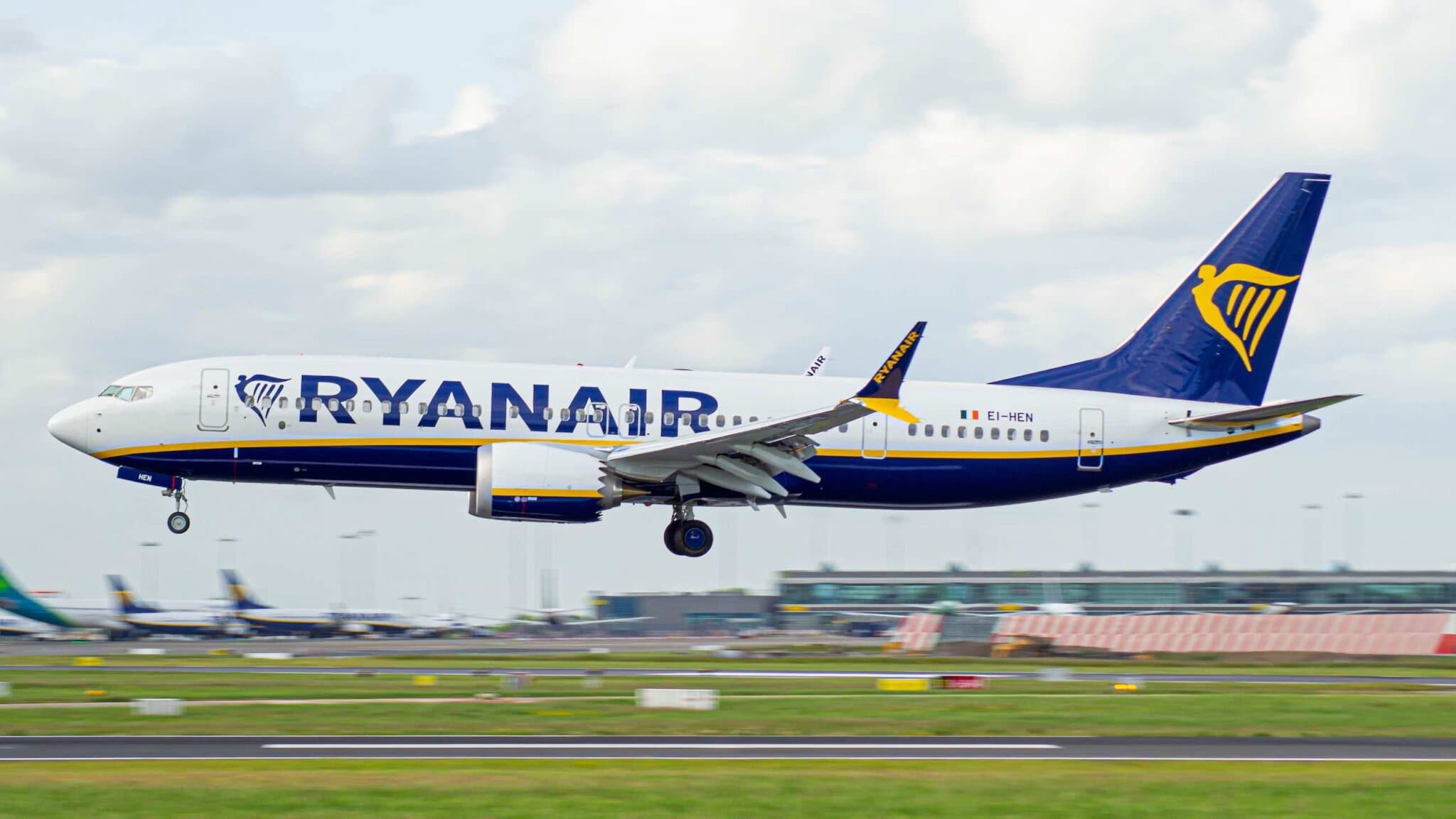
Ryanair, Europe's largest airline is betting that predictive AI models can stop airport chaos before it starts. The carrier wants machine learning systems that flag brewing disruptions hours ahead, not after passengers are already stranded.
From Reactive to Predictive Operations
Traditional airline disruption management is reactive. When weather or staffing issues hit, carriers scramble to rebook passengers and reposition aircraft. That model breaks down when multiple airports face simultaneous pressure.
Predictive AI models change the equation by ingesting streams of operational data. These systems can flag a hub airport as high-risk hours before delays snowball. The airline's interest reflects a wider industry push toward operational resilience.
What You Need to Know About the Technology
Predictive models for aviation rely on several data inputs. Each source adds a layer of foresight that legacy systems lack.
Combining these inputs lets AI models spot cascading risks. A thunderstorm over one hub can ripple across a network within hours. Predictive tools aim to give operations teams a head start.
Why This Matters
For passengers, the payoff is fewer missed connections and shorter delays. For the airline, predictive AI could cut compensation payouts and protect brand reputation. The carrier's move also pressures rivals to invest in similar systems.
Airport operators and ground handlers face new demands. They will need to share data more openly and upgrade legacy IT infrastructure. Regulators may also take interest in how AI-driven decisions affect passenger rights.
The Road Ahead for AI in Aviation
Deploying predictive AI at scale is not trivial. Data silos between airlines, airports and air traffic control remain a major obstacle. Model accuracy also depends on historical disruption patterns that may not repeat.
Europe's largest airline is positioning itself as an early mover. If successful, its approach could become a template for carriers worldwide. The aviation industry, however, has a long history of slow technology adoption.
Key Takeaways
The airline's bet on predictive AI reflects a broader recognition that reactive operations are no longer enough. As passenger volumes recover and climate disruptions grow, the cost of airport meltdowns keeps rising.
Whether AI can truly nip these crises in the bud will depend on execution. The technology is promising, but aviation's fragmented data landscape remains the real test.