Senior Editor: Alan Agbele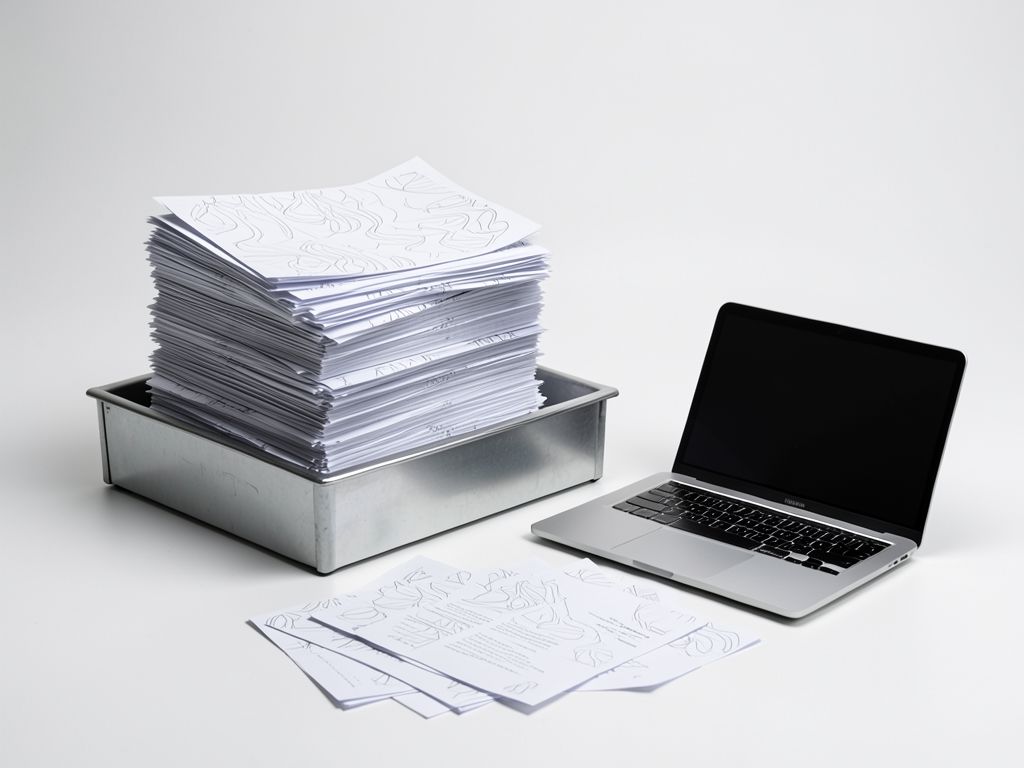
Recruiters are opening applications that read as if written by the same person. The culprit is not a shared ghostwriter but a wave of AI resume-polishing tools that standardize language, structure and tone across thousands of candidates. The result is a hiring pipeline where authenticity is harder to verify and qualified applicants risk being overlooked.
Why This Matters
The flood of AI-polished resumes changes the economics of hiring. Recruiters, who already spend seconds on initial scans, now face documents that are optimized for keyword matching but stripped of personal detail. That pushes screening costs upward and increases the risk that genuinely qualified candidates are filtered out because their applications look like everyone else's. Companies that rely on resume screens alone may see a decline in hiring quality, while candidates who refuse to use AI tools could be disadvantaged in automated applicant tracking systems.
How AI Resume Tools Became Standard
The adoption curve mirrors the spread of generative AI itself. Tools such as ChatGPT, Claude and Gemini are frequently used to rewrite experience sections, and dedicated platforms like Rezi and Teal have built businesses around resume optimization. These services promise higher interview rates by aligning language with job descriptions. The problem is that they pull from the same training data and optimization patterns, producing a homogenized style that recruiters now recognize instantly.
The Recruiter Stress Test
Recruiters describe a new kind of fatigue. Applications arrive with polished summaries that all begin with phrases like "results-driven professional" and "proven track record." The sameness makes it difficult to spot the candidate who actually solved a specific problem. Some hiring managers have started asking for writing samples or live problem-solving exercises to cut through the noise. Others are using AI detection tools, though those systems remain unreliable and can flag legitimate candidates.
What Candidates Should Consider
The pressure to use AI is real. Applicant tracking systems often reward keyword density, and a resume that lacks the right terms may never reach a human. Candidates, however, can differentiate themselves by keeping specific, verifiable achievements in their own voice. A resume that names a project, a metric or a difficult decision stands out more than one that reads like a template. Recruiters say the best applications still sound like a person, not a prompt.
Where Hiring Goes Next
The long-term effect may be a shift away from resume screening altogether. Companies are experimenting with skills-based hiring, structured interviews and work-sample tests that are harder to game with AI. If that trend accelerates, the resume itself could become a secondary document. For now, the tension remains: candidates use AI to get noticed, and recruiters use AI to filter, leaving both sides in an arms race that rewards neither.