Senior Editor: Alan Agbele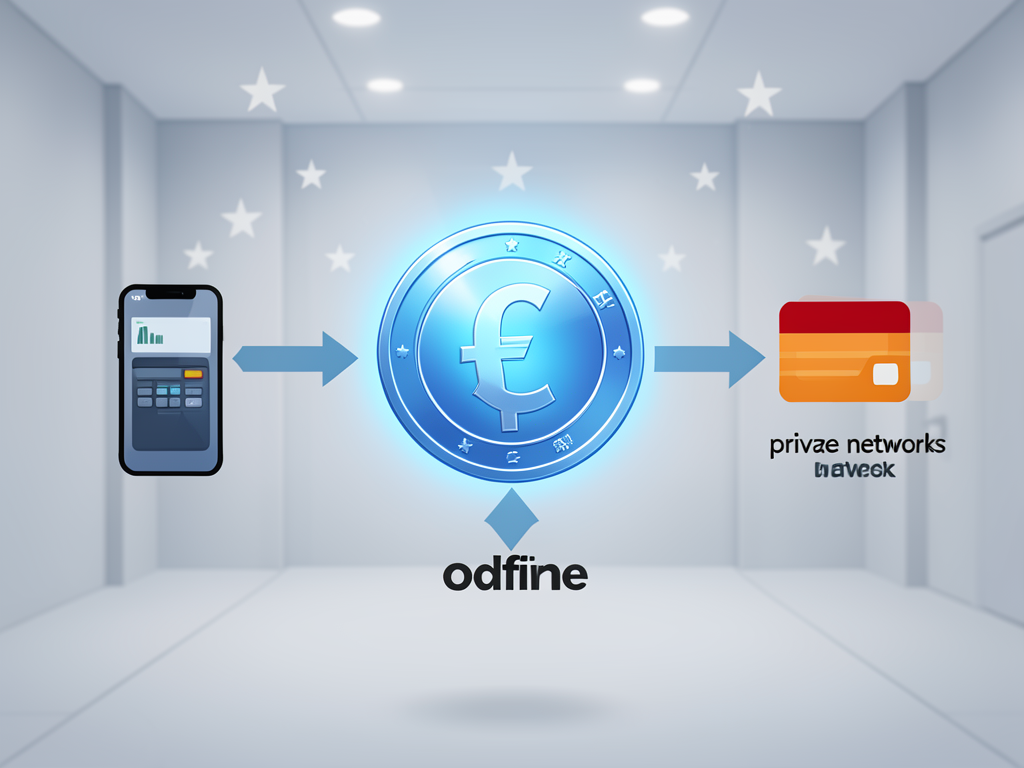
The European Parliament has taken a decisive step toward launching a digital euro, a central bank digital currency built to operate outside the traditional card network infrastructure dominated by Visa and Mastercard. The proposed system would allow consumers to make payments both online and offline without relying on private intermediaries.
How the Digital Euro Would Work
The digital euro would function through two distinct modes depending on connectivity. Online transactions would use an account-based system managed by banks or the European Central Bank. Offline payments would mimic physical cash by transferring value directly between local storage devices such as smartphones or dedicated cards.
Key features of the proposed system include:
Why This Matters
The digital euro directly challenges the duopoly of Visa and Mastercard in European payment processing. By creating a state-backed alternative, the European Union aims to reduce transaction fees paid by merchants and consumers while strengthening financial sovereignty. For everyday users, the offline mode offers a digital payment option that does not require a bank account or internet connection, potentially expanding financial inclusion.
The move also carries significant implications for data privacy. Online transactions would be subject to anti-money laundering checks, while offline payments would remain anonymous within certain limits. This dual approach attempts to balance regulatory oversight with consumer privacy concerns.
A Broader Push for Payment Autonomy
Europe's digital euro initiative is part of a global wave of central bank digital currencies. More than 100 countries are exploring CBDCs as governments seek to modernize payment systems and reduce dependence on foreign-owned networks. For the EU, the project also serves as a strategic tool to insulate the bloc from geopolitical pressures tied to dollar-denominated payment rails.
The legislation still requires final approval from member states and the European Council. If adopted, the digital euro could launch within the next few years, fundamentally altering how Europeans pay for goods and services.