Editor: Porcia Akua Holmes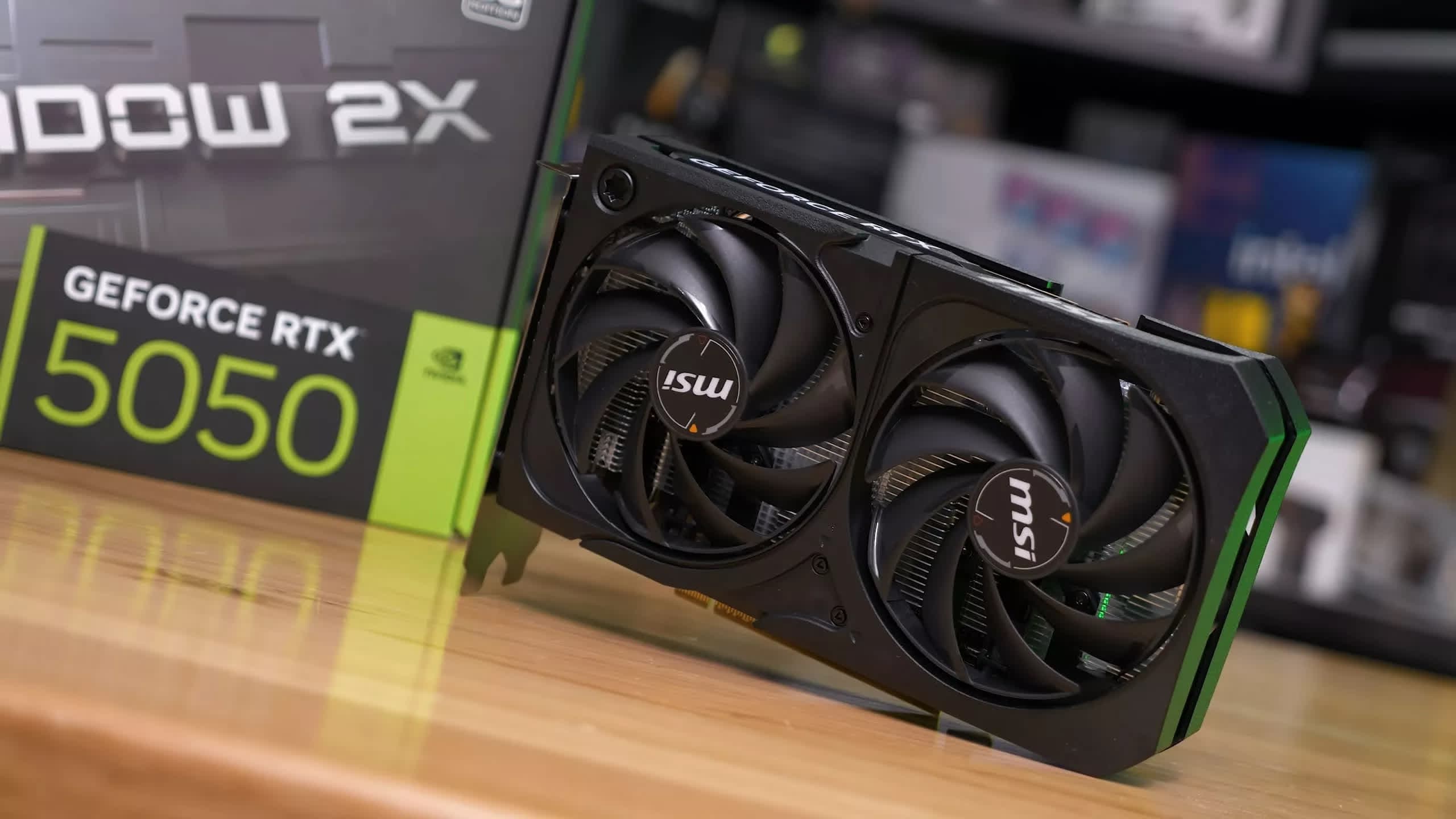
Gamers and budget-conscious PC builders face a mounting challenge as PC Partner, a major graphics card manufacturer, projects that shortages of entry-level GPUs will deepen through the second half of 2026. The core issue lies in memory supply, where booming demand from AI infrastructure is competing directly with consumer graphics hardware for limited production capacity.
Memory Market Pressure Mounts
The shortage traces directly to VRAM. AI data centers consume enormous volumes of high-bandwidth memory, but they also pull from the same GDDR6 and GDDR7 production lines that supply consumer graphics cards. PC Partner warned in a recent briefing that demand from AI infrastructure has outstripped supply growth, and memory vendors are prioritizing larger, more profitable enterprise orders. This leaves less room for the lower-margin entry-level GPU segment.
Consumer Impact Deepens
For buyers hunting for sub-$200 GPUs, the outlook is grim. PC Partner expects that inventory turnover for entry-level models will slow as allocation shrinks. Retail prices, which had already crept upward in early 2026, could climb further as supply tightens. The used market may absorb some demand, but older cards lack modern features such as ray tracing and efficient upscaling.
Why This Matters
The worsening shortage directly affects the affordable computing market. As AI infrastructure consumes an ever-larger slice of the memory supply chain, entry-level hardware becomes collateral damage. This could widen the gap between high-end and budget PC performance, making it harder for casual gamers, students and small businesses to access capable machines. For the PC industry, it signals a structural shift in which consumer products compete for components against hyperscale data centers. PC Partner's warning is a bellwether: unless memory production expands significantly, the entry-level GPU segment may face persistent constraints for years.
Looking Ahead
No quick fix appears on the horizon. Memory fabs are expensive to build and take years to come online. PC Partner recommends that buyers monitor inventory closely and consider preordering when possible. Some analysts suggest that the industry may need to develop separate memory product lines for consumer and enterprise use to prevent future cross-contamination of supply. Until then, entry-level GPU shortages are likely to remain a defining challenge for the budget PC market through 2026 and beyond.