Senior Editor: Alan Agbele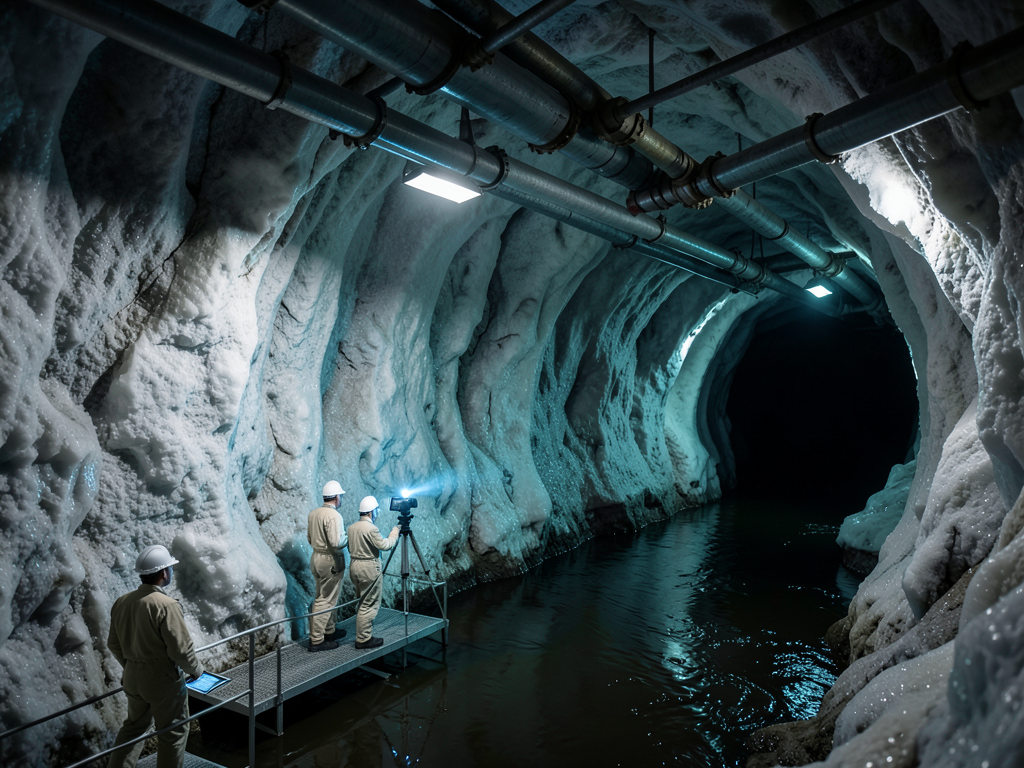
The US Strategic Petroleum Reserve, a sprawling network of underground salt caverns along the Gulf Coast, is confronting a set of engineering hurdles that could reshape how the nation approaches emergency oil storage. Originally built to cushion supply shocks, the reserve now requires continuous upkeep to maintain its capacity of more than 700 million barrels.
Underground Storage: A Delicate Balancing Act
Each cavern in the US Strategic Petroleum Reserve is created by injecting water into salt formations, dissolving the salt to form a cavity. The process, known as solution mining, leaves behind a stable artificial cave. But maintaining that stability requires careful control of pressure and temperature.
Engineers must also manage the chemical interaction between crude oil and the salt walls. Over time, salt can creep or dissolve, changing the cavern geometry. The US Strategic Petroleum Reserve has employed advanced sonar and laser surveys to map these changes and plan remediation work.
Why This Matters
The condition of the US Strategic Petroleum Reserve directly affects the country's ability to respond to oil supply disruptions. If engineering problems reduce its operational capacity, policymakers may need to reconsider the reserve's size or its role in a decarbonizing energy system. The costs of maintenance have already prompted discussions about selling or shutting down some of the older caverns.
Any failure to maintain the reserve could lead to a loss of strategic flexibility during a crisis. Meanwhile, the move toward electric vehicles and renewable energy raises questions about the long-term need for such a large stockpile of crude oil. The engineering decisions made today will influence energy security for decades.
Policy and Regulatory Overlap
The US Strategic Petroleum Reserve is operated by the Department of Energy but sits at the intersection of energy policy and environmental regulation. Cavern maintenance must comply with state groundwater protection rules and federal hazardous waste laws. Any expansion or decommissioning plan would require environmental impact assessments and public comment periods.
Recent congresses have debated whether to sell portions of the reserve to fund other energy programs. Those political considerations, combined with the technical realities of salt cavern engineering, make the future of the US Strategic Petroleum Reserve a complex puzzle for the next administration to solve.