Senior Editor: Alan Agbele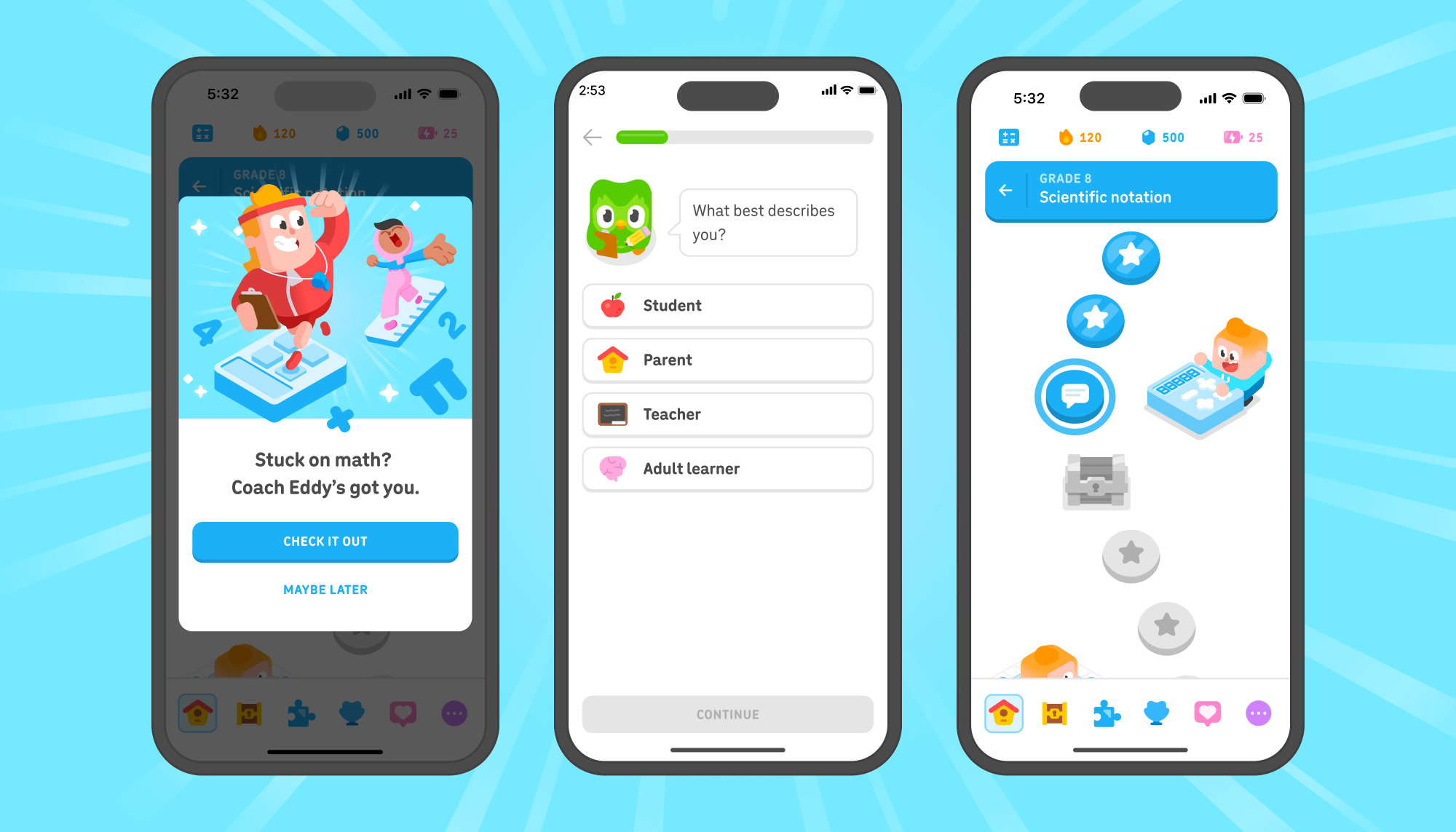
Duolingo is moving further into educational technology with an expanded math curriculum that introduces more advanced content and adaptive learning features. The language learning giant now offers users a deeper set of math exercises designed to adjust to individual skill levels, signaling a strategic push to broaden its footprint in the digital education market.
New Features and Expanded Topics
The updated math track includes a wider range of difficulty levels, from early arithmetic to pre-calculus concepts. Duolingo has layered in interactive exercises that change in complexity based on user responses, a method the company has refined through years of language instruction. The platform now covers more than 60 math skills across multiple grade bands.
The company also introduced a redesigned interface for the math section, emphasizing clearer instructions and a more game-like reward system to sustain motivation. These changes align with Duolingo’s broader strategy of applying behavioral psychology to academic subjects.
Why This Matters
Duolingo’s deeper investment in math services reflects a larger shift in edtech toward subject-specific, adaptive learning platforms. For users, the update means a single app can now address both language and numeracy skills, potentially reducing the need for multiple subscriptions. The move also puts pressure on dedicated math apps such as Khan Academy and IXL to differentiate their offerings. If Duolingo succeeds in retaining math learners at the same rate it does language learners, it could capture a meaningful share of the $10 billion digital STEM education market. The challenge will be maintaining rigor as content scales, since shallow gamification often fails to develop deep understanding in STEM subjects.
Market Context and Competition
Edtech analysts have noted that Duolingo’s expansion is timed with growing demand for at-home STEM resources. The company’s user base, already exceeding 100 million monthly active users for language learning, provides a ready audience for cross-selling. Rivals have responded by adding language features to their own platforms, but Duolingo holds advantages in data-driven personalization and brand loyalty. The new math path is available on both iOS and Android, and the company has hinted at future subjects such as reading comprehension and science. Duolingo Expands Its Math Services with a focus on More Advanced and Personalized Learning, an effort that may reshape how students approach supplemental education.