Editor: Porcia Akua Holmes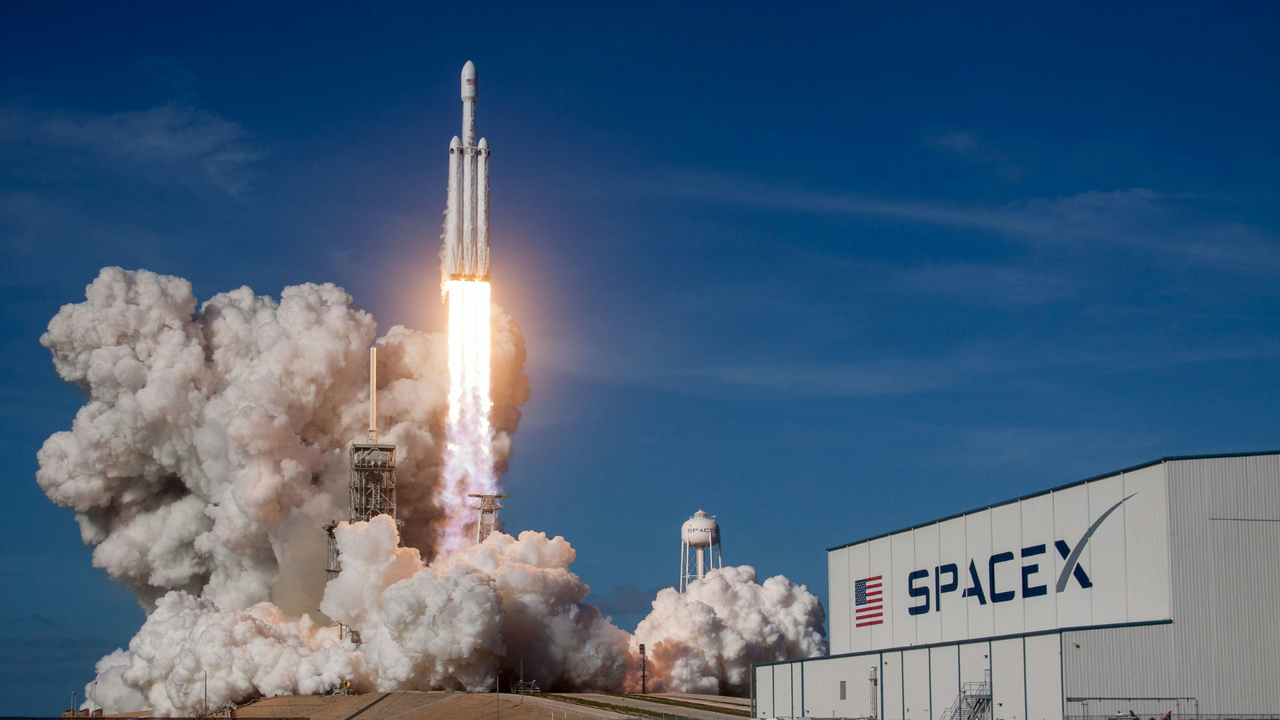
A discarded upper stage from a SpaceX rocket is hurtling toward the moon at 5,400 mph, seven times the speed of sound. NASA and South Korea's Danuri lunar orbiter are preparing to document the impact, which will be one of the few human-made lunar collisions observed in real time.
The Uncontrolled Descent
The Errant SpaceX rocket stage has been drifting since it completed its primary mission. Without enough fuel for a controlled deorbit, the upper stage eventually succumbed to gravitational forces. It is now set to strike the lunar surface at a speed that is more than seven times the speed of sound.
Unlike Earth, where debris often burns up in the atmosphere, the moon has no air to slow down incoming objects. That makes impacts like this one particularly violent. Researchers at Los Alamos National Laboratory are paying close attention. The moon's low gravity and lack of wind mean ejecta from the crash could spread for miles, offering a rare chance to study how lunar soil behaves under such stress.
What Scientists Hope to Learn
NASA has deliberately crashed objects on the moon before, most notably sections of the Saturn V rocket and the LCROSS mission in 2009. But this event is different because it was unplanned. The orbital paths of NASA's Lunar Reconnaissance Orbiter and South Korea's Danuri orbiter happen to align perfectly for observation.
Benjamin Fernando of the Los Alamos National Laboratory said researchers are particularly interested in understanding how much of a hazard debris impacts pose to future astronauts. The moon's surface is already pocked by natural meteorites, but human-made debris introduces a new variable.
Why This Matters
The crash comes at a time when space agencies and private companies are ramping up lunar ambitions. The United States and China are racing to land people on the moon again after more than half a century. Plans for permanent settlements and even lunar data centers are moving forward. As more hardware is left in orbit around the moon, the risk of uncontrolled debris collisions grows.
SpaceX and other operators currently lack a systematic way to dispose of spent rocket stages in cislunar space. Unlike Earth orbit, where deorbit guidelines are well established, lunar orbit has no such rules. This impact, while not dangerous to any current lunar assets, serves as a warning. Future missions could face serious hazards if debris management is not addressed soon.
What Happens Next
NASA's Lunar Reconnaissance Orbiter and South Korea's Danuri orbiter will take before-and-after photos of the impact site. Danuri will also fly close to the Errant SpaceX rocket stage minutes before it begins its final descent. The images should arrive within days of the collision, which is expected to occur in the coming weeks.
The event is not visible from Earth with the naked eye. But telescopes, both ground-based and in lunar orbit, will capture the aftermath. The data gathered could inform future debris mitigation strategies for the moon, an issue that will only become more urgent as lunar traffic increases.