Editor: Porcia Akua Holmes
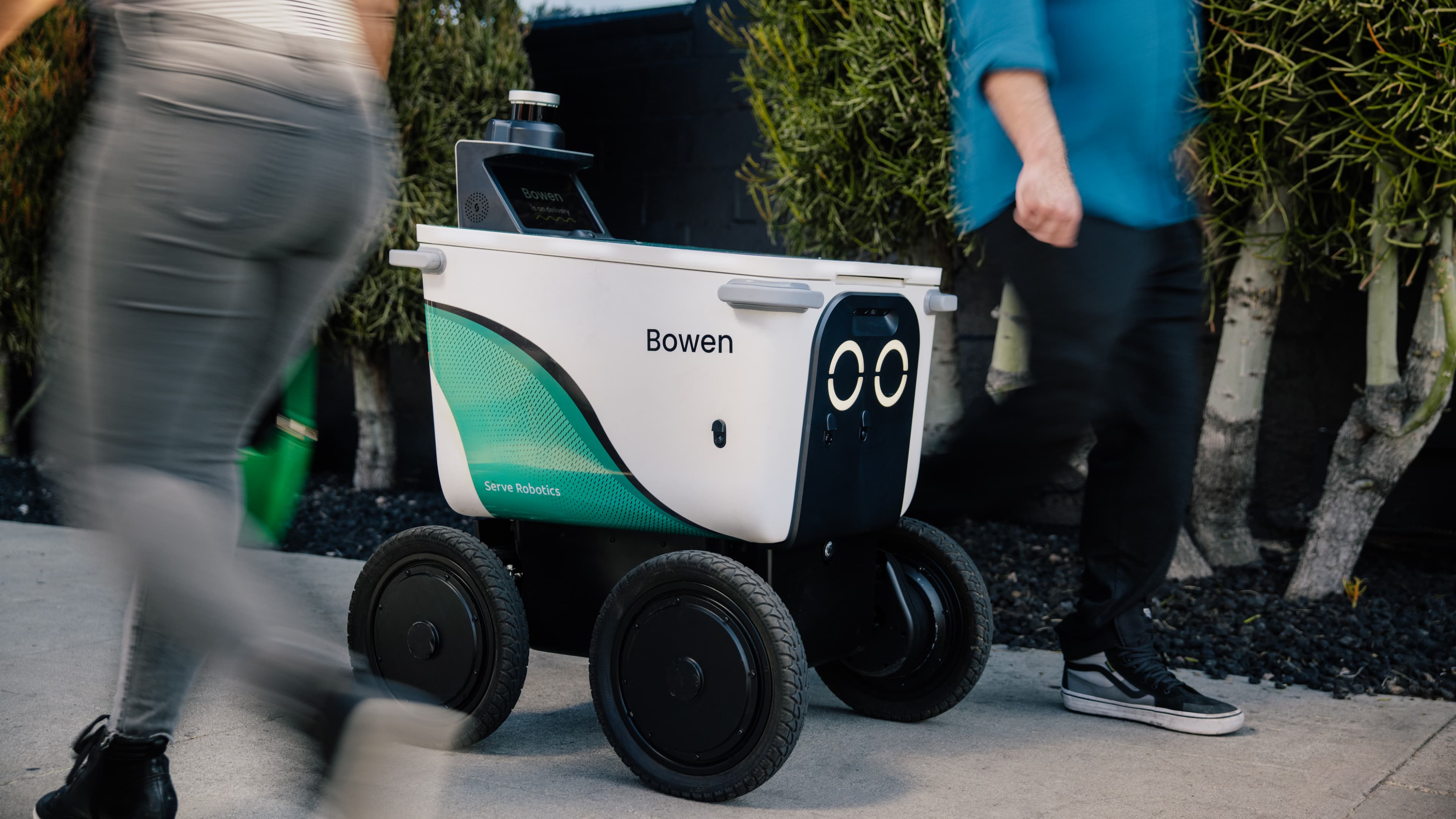
Autonomous delivery robots have been recording biometric data from pedestrians without their permission, according to a series of lawsuits that could reshape how companies deploy the technology in public spaces. The legal actions target robot operators for allegedly capturing facial scans and other identifying information as the machines navigate sidewalks and neighborhoods.
How the Lawsuits Challenge Robot Navigation Technology
The lawsuits center on the claim that delivery robots operated by various companies have been collecting biometric data without the knowledge or consent of people nearby. Biometric data includes facial geometry, voiceprints and even walking patterns, all of which can be captured by the cameras and lidar sensors that robots use to move safely through crowds.
Legal experts say the cases hinge on whether public spaces carry an expectation of privacy. Most state biometric privacy laws, such as Illinois' Biometric Information Privacy Act, require written consent before collecting such data. The plaintiffs argue that robots recording pedestrians on sidewalks violate those statutes.
Companies behind the robots argue that the technology is essential for safe navigation and that they do not store or share the data. The lawsuits, however, allege that even temporary collection violates privacy laws.
Why This Matters
This case could determine whether autonomous delivery robots can operate freely in public spaces. If courts rule that the robots must obtain consent before recording, companies may need to redesign their systems or face crippling fines. That would slow the rollout of delivery robots in cities across the United States.
Consumers could see fewer robots on sidewalks, or they might be asked to opt in to biometric tracking before receiving deliveries. The outcome will also influence how other autonomous systems, from self-driving cars to security drones, handle biometric data. A ruling against the robot operators would set a precedent that public spaces are not a free-for-all for biometric collection.
The Broader Trend of Biometric Privacy Enforcement
These lawsuits are part of a growing wave of biometric privacy enforcement. Over the past few years, courts have penalized companies like Facebook and Clearview AI for collecting biometric data without consent. The delivery robot cases extend that scrutiny to physical robots operating in public.
State legislatures are also watching closely. If the lawsuits succeed, more states may pass laws specifically targeting autonomous machines. That could create a patchwork of regulations that complicates national deployment for robot delivery companies.
For now, the lawsuits are in early stages, but they signal that the public and regulators are increasingly unwilling to accept surveillance as a side effect of convenience.