Editor: Porcia Akua Holmes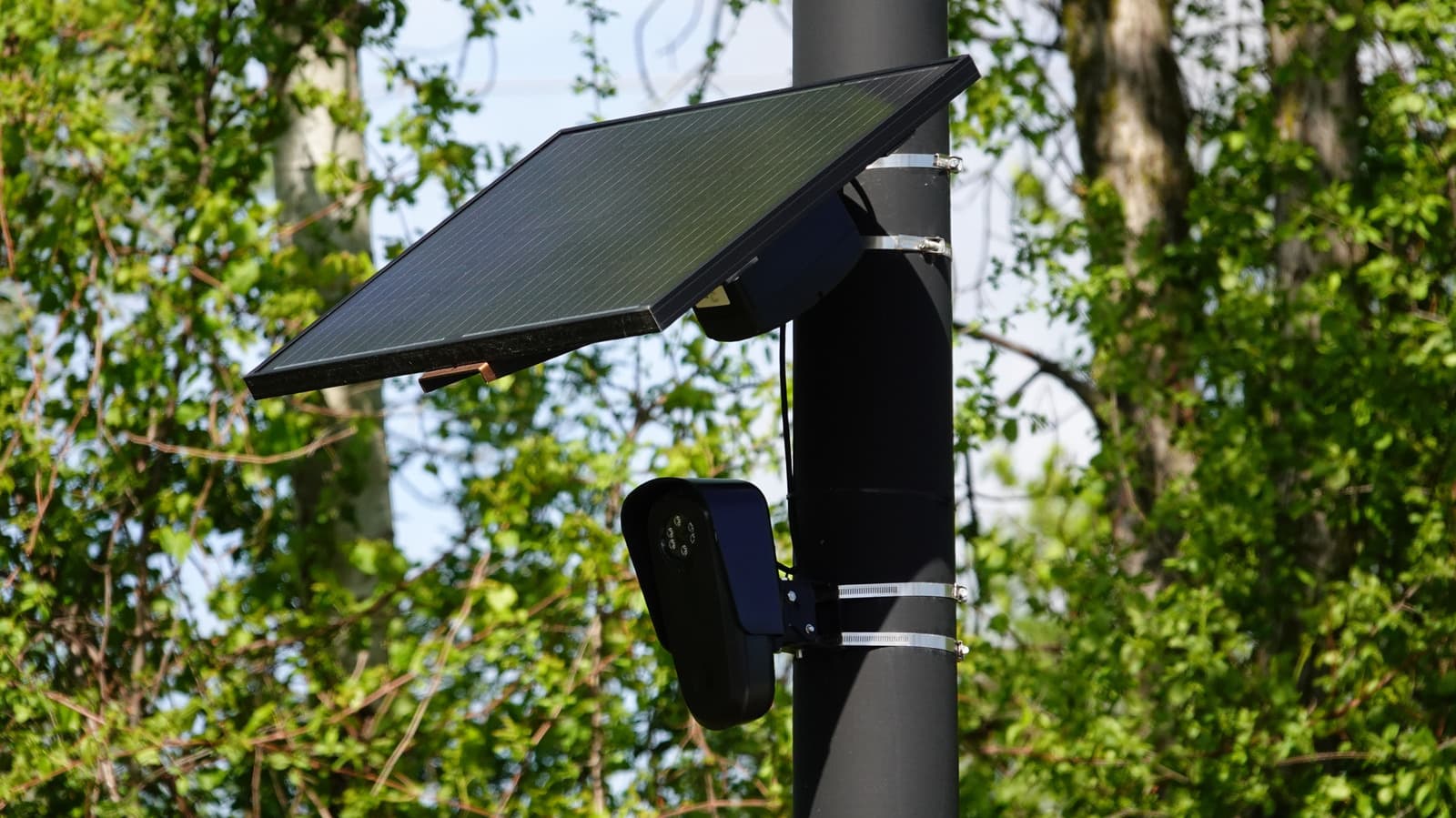
Police departments across the United States are rapidly deploying automated license plate readers (ALPRs) from Flock Safety, creating a sprawling network of surveillance cameras that capture every vehicle that passes. Privacy advocates have responded with a countermeasure: a free, open source tool called DeFlock that maps these cameras and helps drivers navigate around them.
How DeFlock Works
DeFlock relies on crowdsourced data to build a real time map of Flock Safety camera locations. Users submit sightings through the app or website, and the tool then provides route suggestions that avoid cameras where possible. The system does not require an account, and all data is stored locally to minimize privacy risks for the users themselves.
The tool is a direct response to Flock Safety's aggressive expansion. The company says its cameras help police solve crimes faster, but critics argue the system amounts to warrantless mass surveillance that chills free movement.
Why This Matters
DeFlock exposes a growing tension between public safety tools and civil liberties. For everyday drivers, automated plate readers represent a silent shift in policing: your location and travel patterns can be tracked without probable cause. The tool empowers individuals to reclaim some control over their privacy, but it also highlights how difficult it is to opt out of a system that is embedded in public infrastructure.
The implications extend beyond individual drivers. If the tool gains wide adoption, it could reduce the effectiveness of ALPR networks for law enforcement, potentially sparking legal or legislative battles over the right to avoid surveillance. At the same time, Flock Safety may attempt to obscure camera locations or challenge the data collective method used by DeFlock, setting up a cat and mouse dynamic familiar in other areas of digital privacy.
Broader Surveillance Trends
Flock Safety's cameras are just one piece of a larger surveillance ecosystem that includes facial recognition, drone monitoring and cell site simulators. The rise of affordable AI powered cameras has made it possible for smaller police departments to build capabilities once reserved for intelligence agencies. DeFlock represents a new kind of response: not a legal challenge or a protest, but a practical, technical workaround that forces the conversation back to consent and transparency.
Whether such tools can keep pace with the expansion of surveillance remains to be seen. For now, DeFlock offers a rare glimpse of individual agency in a system increasingly designed to track everything.