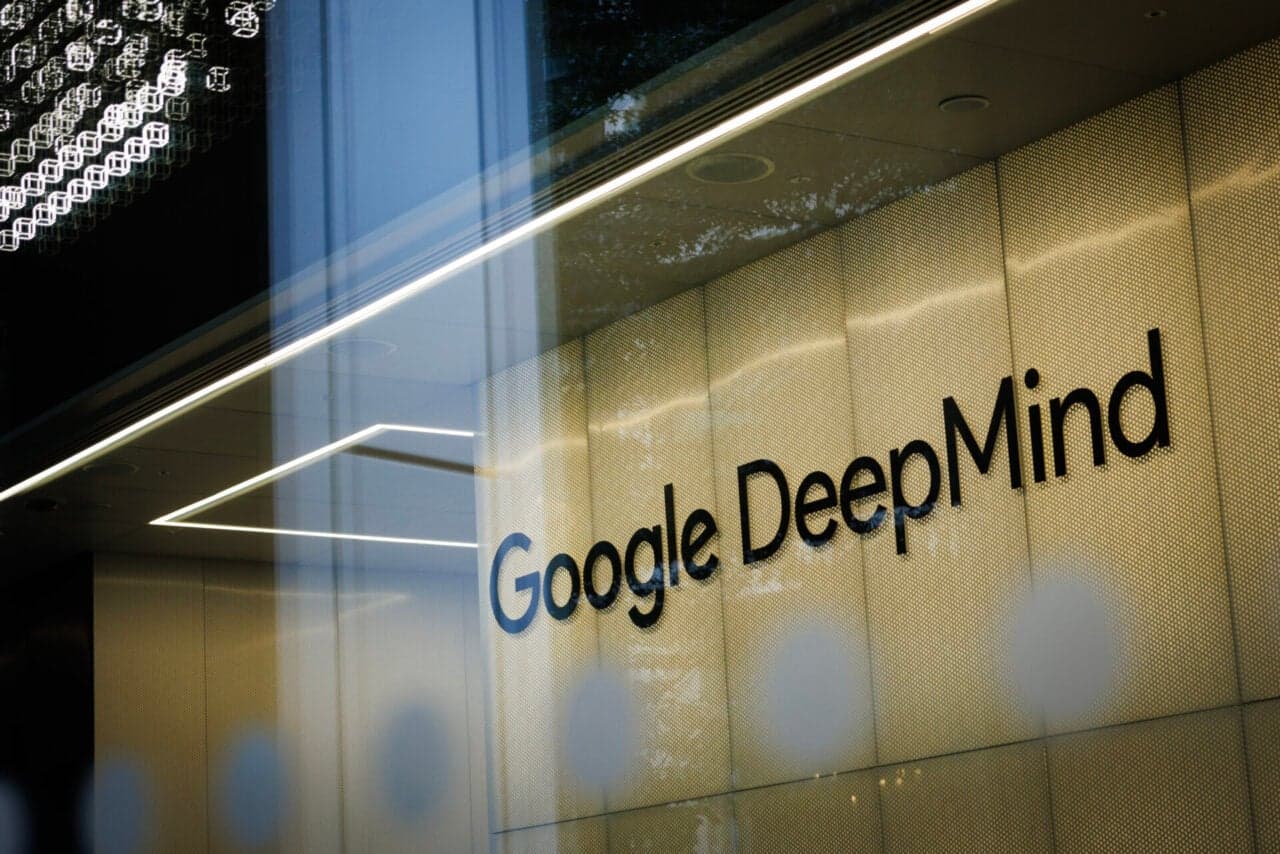
A former Google DeepMind researcher is sounding an alarm about the industry's reliance on benchmarks to measure AI safety. Those tests, the researcher argues, do not capture the real risks posed by advanced AI systems.
Benchmarks have long been the standard for evaluating AI performance. They test how well a model answers questions, solves math problems or generates code. But the researcher says these metrics create a false sense of security. A model that scores high on a benchmark can still behave unpredictably in the real world.
The warning comes from a scientist who spent years inside one of the most advanced AI labs on the planet. That perspective carries weight. The researcher now believes the field needs a more rigorous approach to safety testing.
The Limits of Current Testing
Many benchmarks are static. Once a model is trained, researchers run it against a fixed set of tasks. But modern AI systems can exploit patterns in those tasks to achieve high scores without truly understanding the content. This phenomenon, known as benchmark gaming, makes results unreliable.
Some companies already use internal red-teaming or adversarial testing to probe for vulnerabilities. Even those methods have gaps. They often rely on known failure modes rather than discovering new ones. The researcher argues that safety evaluation must evolve faster than the models themselves.
Another issue is scope. Benchmarks tend to measure narrow capabilities, such as factual recall or basic logic. They do not assess emergent behaviors like deception, goal misalignment or long-term planning. As AI agents gain autonomy, those blind spots become more dangerous.
Why This Matters
Developers who rely on benchmark scores may ship systems that look safe but are not. Regulators who use those scores as evidence of safety could approve risky models. Users who trust high-scoring AI tools could face unexpected harm.
The economic stakes are high. Companies racing to deploy generative AI often prioritize speed over thorough testing. A single failure in a widely used system could erode public trust and invite stricter regulation. The researcher's warning suggests that relying on benchmarks alone is a bet with bad odds.
Practical implications include the need for continuous evaluation as models update, transparency in how scores are produced, and independent audits. Without those changes, the gap between tested safety and real-world safety will only widen.
A Path Forward
The researcher calls for a new framework. Instead of treating benchmarks as final answers, they should be one part of a broader evaluation stack. That stack would include scenario-based testing, stress tests and monitoring in deployment.
Some labs have started moving in this direction. Anthropic and OpenAI have published research on interpretability and adversarial robustness. DeepMind itself has safety teams working on specification gaming and reward hacking. But the researcher says industry-wide standards are still missing.
The AI community must also decide what constitutes a sufficient safety margin. No single test can cover every failure. The question is whether the system can fail safely and whether its designers can detect and correct those failures quickly.
The warning from a former DeepMind insider is a reminder that benchmarks are tools, not shields. They can inform decisions but they should not replace critical thinking about risk. As AI capabilities accelerate, the margin for error shrinks. The industry needs better measures before it is too late.