Editor: Porcia Akua Holmes
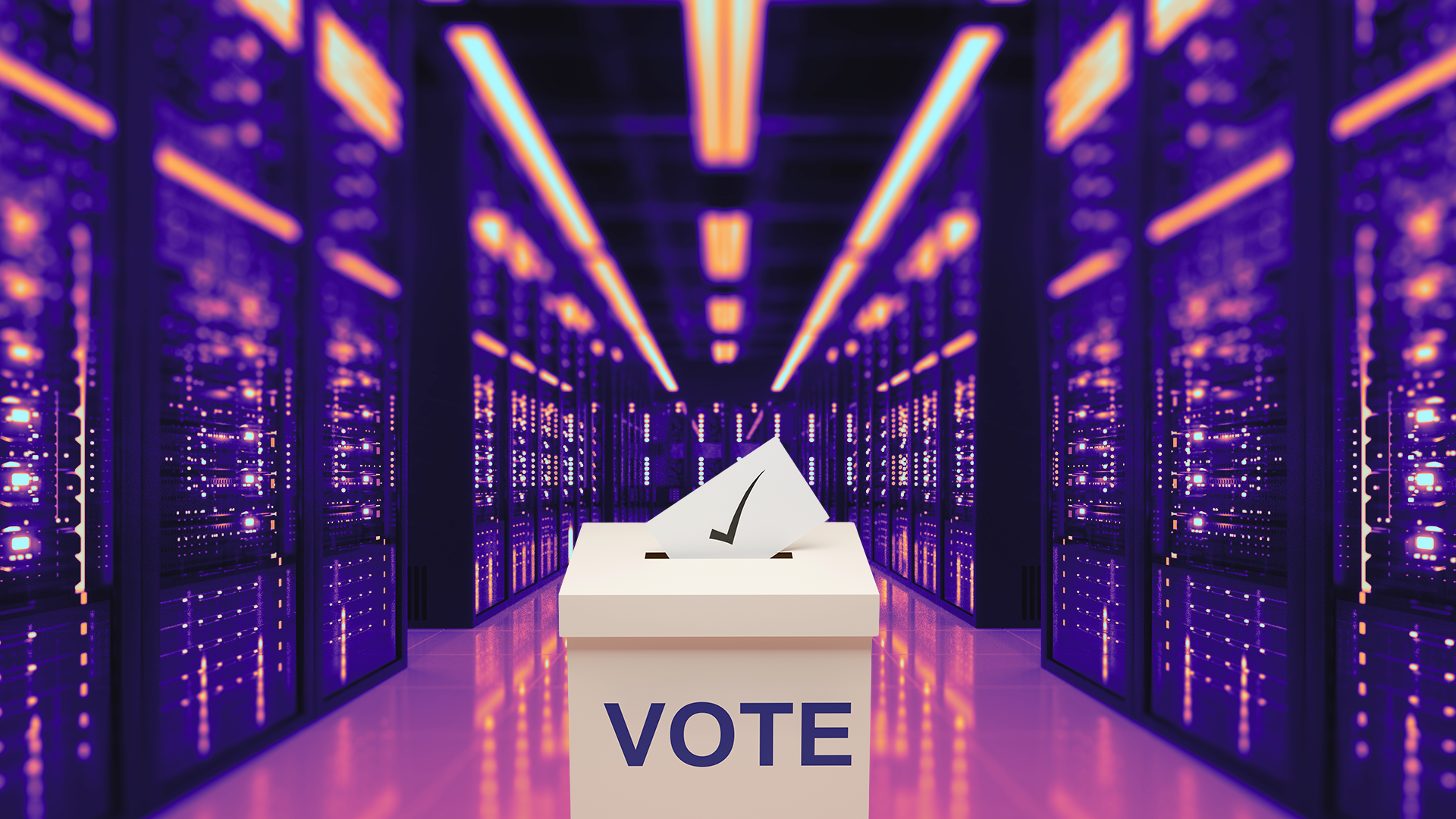
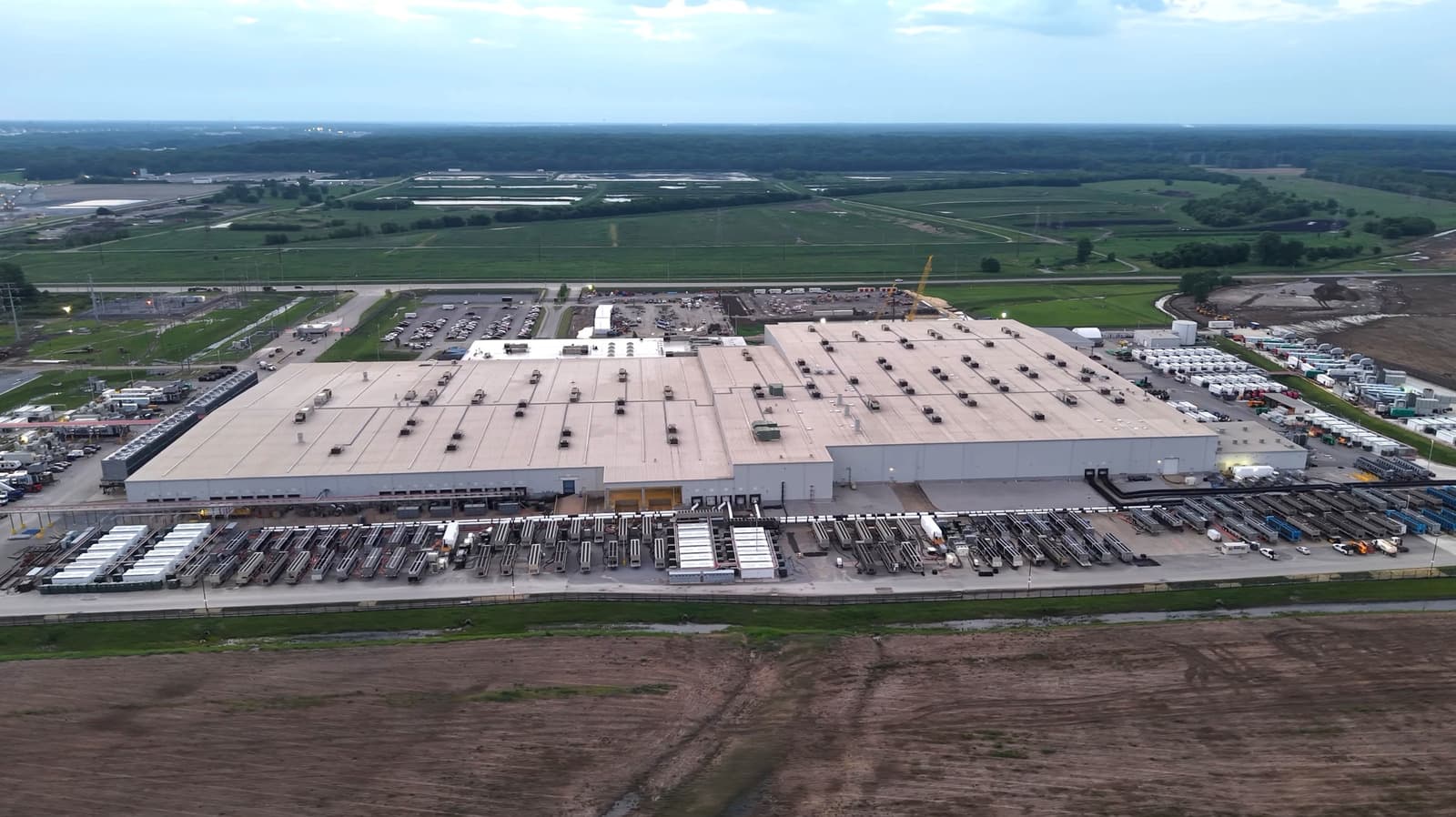
Voters in several states will decide midterm contests in which the most consequential technology questions are no longer abstract. They are local: whether a hyperscale Data Centers campus gets built, whether a police department keeps its Flock Cameras, and how much Big Tech Is willing to spend to influence the answer.
The Localization of Tech Policy
For most of the past decade, technology regulation meant federal agencies and congressional hearings. That model has stalled. The action has moved to zoning commissions that approve megawatt-scale server farms and to police oversight boards that renew or cancel surveillance contracts.
This is a structural change, not a temporary detour. A data center needs land, water and grid capacity, and each of those requires a local vote. A camera network needs a municipal contract, and that contract can be terminated by a city council majority.
The result is that technology companies now run campaigns in places they once ignored. Their opponents do the same. Midterm ballots have become the practical venue for settling disputes that federal lawmakers have left open.
Why Data Centers Became a Ballot Issue
Hyperscale computing has a physical footprint that residents can see and measure. A single campus can draw as much power as a small city and consume millions of gallons of water for cooling. Those facts turn a routine zoning hearing into a referendum on electricity rates and land use.
Utilities in fast-growing regions have warned that new load can push up bills for existing customers. Local officials, in turn, face pressure to demand concessions before approving construction. The debate is no longer about whether cloud computing matters. It is about who pays for the substations and transmission lines that make it possible.
Each of these factors is now a campaign talking point. Candidates who once ran on roads and schools are being asked to take positions on server farms.
Flock Cameras and the Surveillance Contract Fight
Automated license plate readers sold by Flock Cameras have spread to thousands of communities. The systems scan passing vehicles and store plate data for law enforcement queries. Supporters credit them with solving crimes. Critics question retention policies, data sharing across agencies and the absence of meaningful local oversight.
Those disputes now surface in elections. City council candidates are being asked directly whether they would renew a camera contract. In some jurisdictions, the answer has become a litmus test for office.
The pattern matters beyond any single vendor. Surveillance technology is procured through contracts that elected officials control. That makes local elections the most direct lever voters have over how such systems are deployed.
Why This Matters
The practical consequence is that technology companies face a fragmented political map. A strategy built around lobbying Washington does not help when a county board rejects a data center permit or a city council cancels a camera contract. Companies will need local political operations, and their opponents will need them too.
Voters, meanwhile, gain leverage they did not have before. Electricity rates, privacy rules and construction timelines are now tied to down-ballot races that historically drew little attention. Turnout in those contests could determine outcomes worth billions in capital investment.
For the industry, the risk is cumulative. A patchwork of local restrictions can raise costs and slow deployment more effectively than any single federal rule. For residents, the trade-off is direct: economic development against utility bills and civil liberties.
What to Watch as the Midterms Approach
Campaign finance disclosures will show whether technology firms and their critics are putting money into state and local races. Zoning decisions scheduled before Election Day will reveal how much is already settled.
The clearest signal will come from places where a data center or a camera contract is on the agenda. Those votes will test whether technology policy has genuinely become local, or whether the midterm attention fades once the ballots are counted.