Editor: Porcia Akua Holmes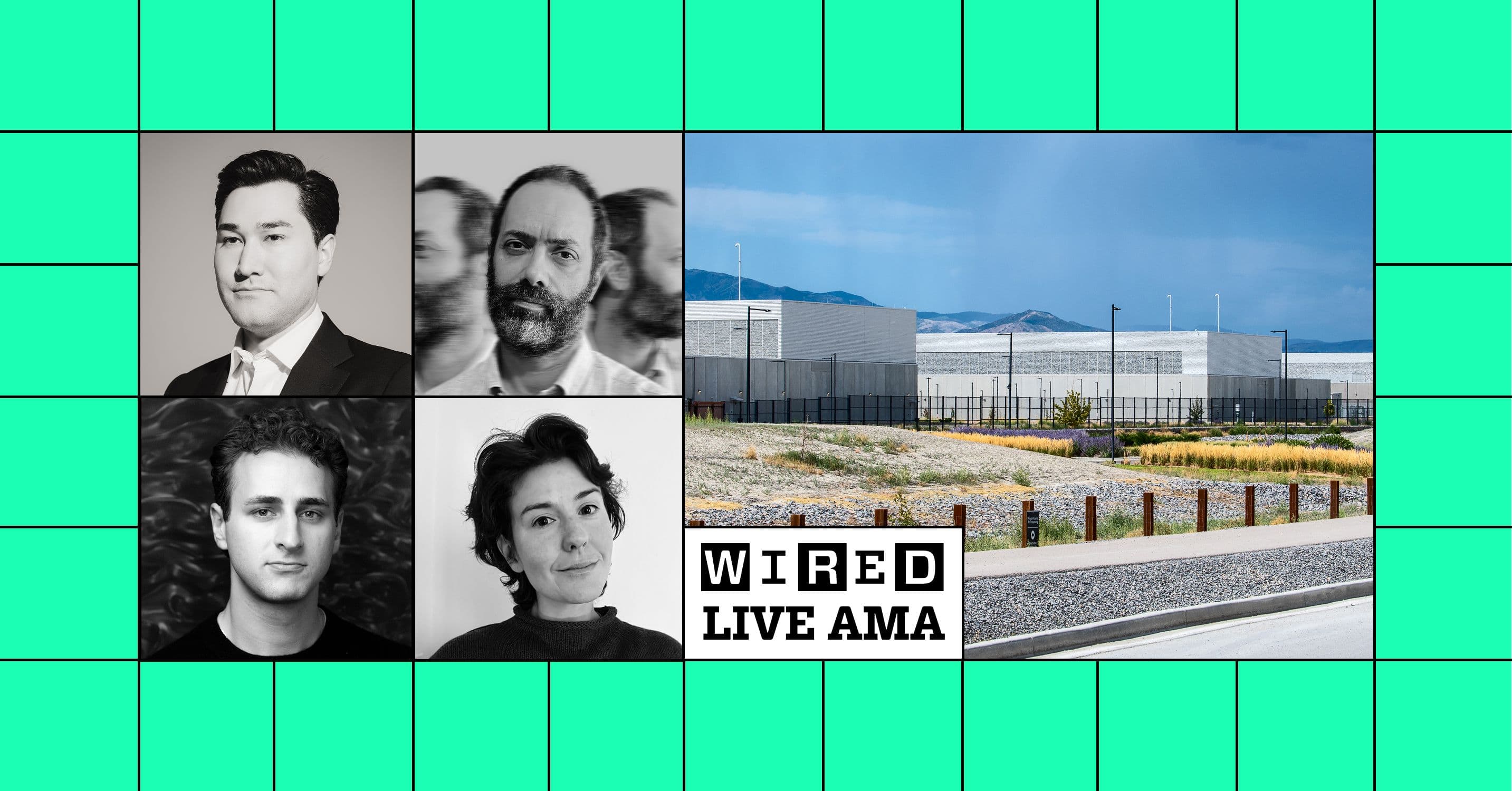
From rural Virginia to suburban Arizona, residents are pushing back against the rapid expansion of data centers. The facilities, essential for powering cloud computing and artificial intelligence, now face mounting opposition over their enormous energy demands, water consumption, and noise pollution. WIRED will explore this growing conflict in its upcoming livestream The Great Data Center Backlash, inviting viewers to submit their questions ahead of the event.
The Roots of the Backlash
Data center construction has surged in recent years, driven by the explosion of AI workloads and cloud services. These facilities require massive amounts of electricity for computing and cooling, with some projections suggesting they could consume up to 9 percent of U.S. electricity by 2030. Water usage for cooling systems has also drawn fire, especially in drought-prone regions. Noise from backup generators and cooling fans, along with increased truck traffic during construction, has further frustrated nearby residents.
Common complaints include:
Who Is Fighting Back
The opposition is not limited to environmental activists. Local residents have formed grassroots groups in Northern Virginia, Arizona, Ireland and Singapore. Some municipal governments have imposed moratoriums on new data center permits while studying long-term impacts. In Ireland, where data centers already consume about 21 percent of the country's electricity, regulators have restricted new connections to the grid. These local battles are increasingly catching the attention of state and national policymakers.
Why This Matters
The backlash threatens to slow the deployment of data center infrastructure that underpins AI development, cloud computing and digital services. Stricter regulations could raise costs for tech companies and extend construction timelines. For communities, the stakes include protecting local resources and quality of life while balancing economic benefits from tax revenue and jobs. If unresolved, the conflict could push data centers to seek locations with weaker environmental protections, shifting the problem rather than solving it.
What Comes Next
Tech companies are beginning to respond. Some are investing in more efficient cooling technologies, renewable energy offsets and community engagement programs. Others are exploring alternative locations such as cold-climate regions or underwater sites. WIRED will examine these solutions and the broader debate in its livestream The Great Data Center Backlash on September 10. If you have questions about data centers and their impact, now is the time to get answers by submitting your questions to WIRED's panel of experts.