Senior Editor: Alan Agbele
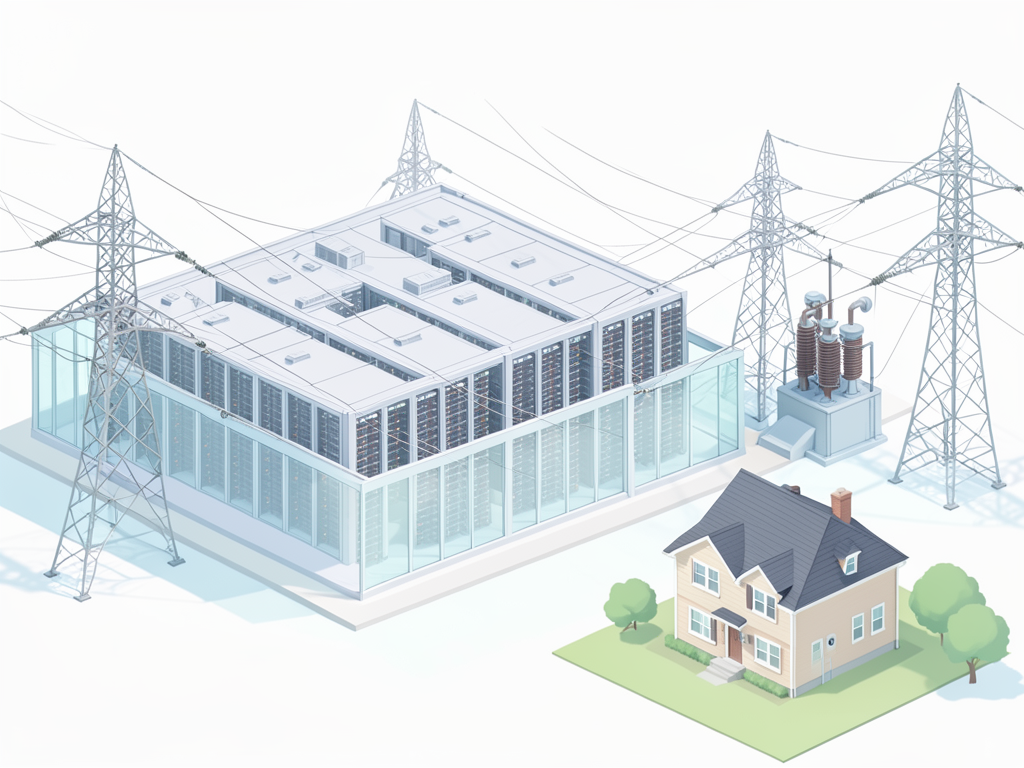
A growing number of Americans say rising utility costs are straining their budgets, and they are blaming data centers for the increase. The tension between the AI boom and household affordability is becoming a central political and economic issue.
The AI Boom's Hidden Cost for Households
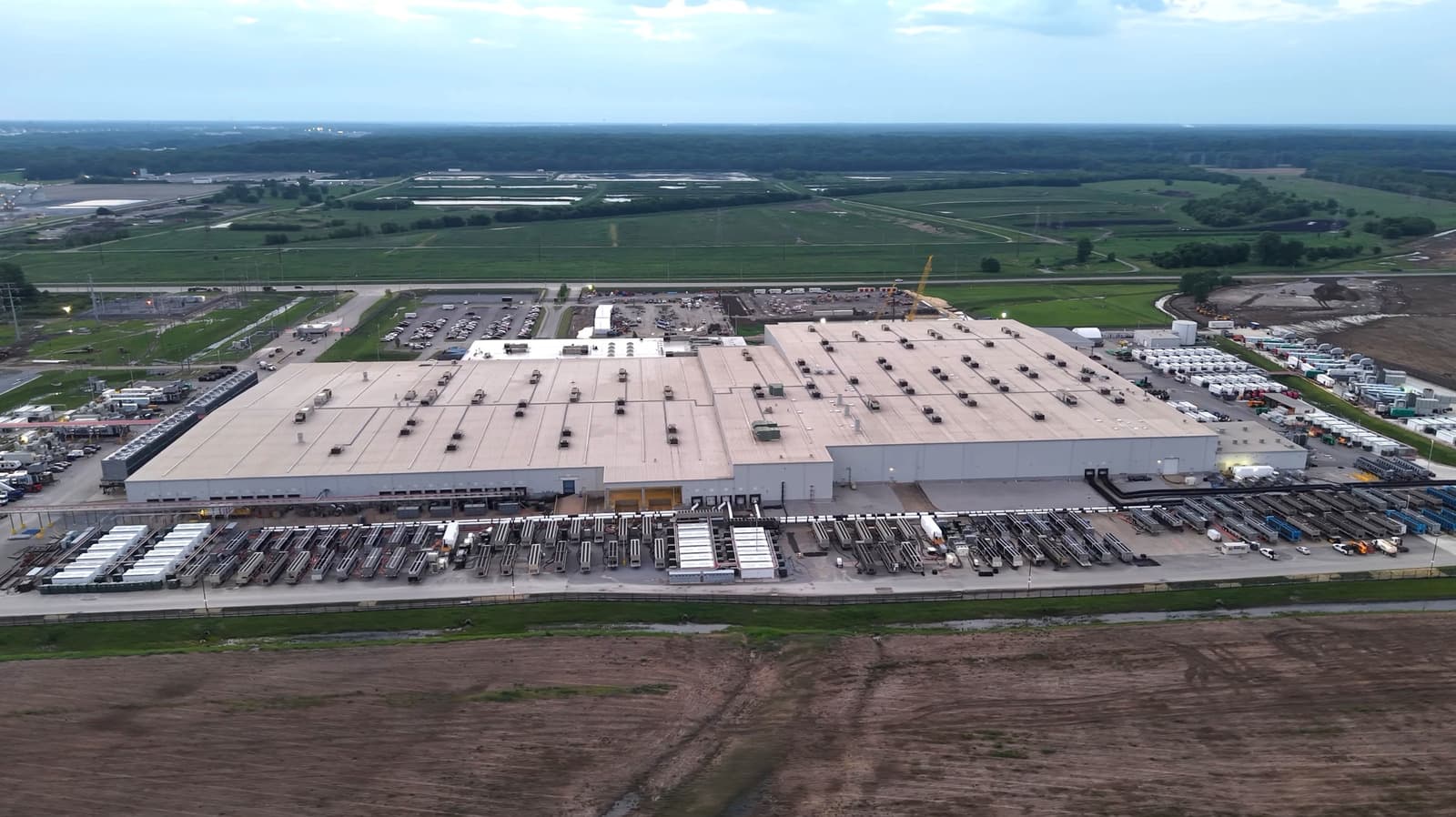
Data centers are the physical backbone of the AI revolution. They house thousands of power-hungry servers that train and run models like those from OpenAI, Google and Microsoft. As demand for AI services explodes, so does the electricity needed to keep those servers cool and running.
Utility companies in many regions are investing billions in new transmission lines, substations and power plants to meet this demand. Those costs are typically recovered through rate increases spread across all customers. The result is that families and small businesses end up subsidizing the infrastructure that tech giants rely on.
Why This Matters
The financial squeeze on households is real and immediate. Higher utility bills leave less money for groceries, rent and healthcare. For low-income families, even a modest increase can force difficult trade-offs.
Policymakers now face a dilemma. They want to attract data center investment for jobs and tax revenue, but they also need to protect consumers from shouldering the infrastructure costs. Some states are already considering special tariffs for large energy users.
Tech companies, however, argue that they are willing to pay their fair share. Google, Microsoft and Amazon have all pledged to use renewable energy and to invest in grid improvements. The question is whether those pledges will translate into lower bills for ordinary Americans.
What Utilities and Regulators Are Doing
Regulators in several states have started to scrutinize the rate-setting process. They want to ensure that data centers pay for the dedicated infrastructure they require, rather than socializing those costs across all ratepayers.
Some utilities are proposing new rate classes specifically for large-load customers. These would charge data centers higher rates for the additional capacity they need. If approved, the changes could shift billions of dollars in costs away from households.
The Broader Energy and Political Fallout
The debate over data center costs is becoming a political flashpoint. Lawmakers in states with heavy data center concentration, such as Virginia and Oregon, are hearing from constituents angry about rising bills. Some are calling for moratoriums on new data center construction until the cost issues are resolved.
Tech companies are responding by investing in on-site generation and energy storage. Microsoft has announced small modular reactor projects, while Google is pursuing advanced geothermal. These efforts could reduce strain on the grid, but they will take years to materialize.
In the meantime, the burden on consumers is likely to grow. The AI boom shows no signs of slowing, and each new data center adds more demand. Without policy changes, households may continue to see their utility bills climb.