Editor: Porcia Akua Holmes

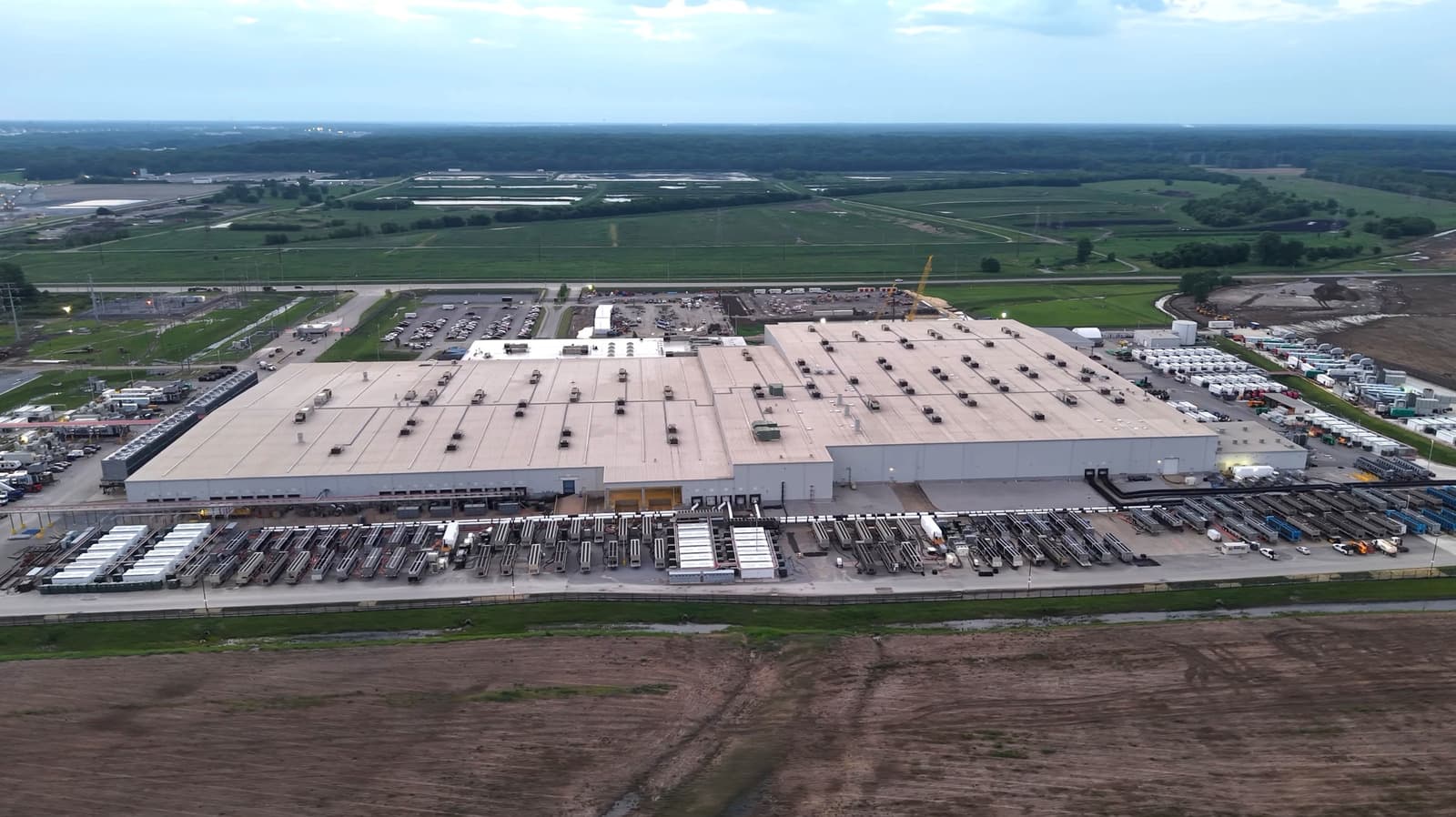
Your monthly electricity bill is increasingly being shaped by facilities you will never see. Data centers, the vast warehouses of servers that power cloud services, streaming platforms and artificial intelligence tools, are consuming record amounts of electricity. That demand is now rippling through the power grid and into household budgets.
The Hidden Infrastructure Behind Your Cloud
Every search query, streamed video and AI-generated response runs through a data center. These facilities house thousands of servers that must be powered and cooled around the clock. As demand for digital services grows, so does the electricity required to keep them running.
Water consumption is another concern. Many data centers use evaporative cooling systems that draw significant amounts of water, sometimes competing with local supplies. The dual burden of energy and water use makes these facilities a focal point for regulators and community groups alike.
How Utility Rate Structures Spread the Cost
When a utility needs more power to serve a new data center, it typically builds additional generation capacity or upgrades transmission lines. Those capital investments are recovered through rates charged to all customers. The result is that residential ratepayers often absorb a share of the cost even if they never interact directly with the data center operator.
This cost allocation model is coming under scrutiny. Some states are considering special tariffs for large industrial customers to ensure they bear a proportionate share of infrastructure costs. The outcome of these debates will determine how much of the data center boom lands on household bills.
Why This Matters
The data center construction boom shows no signs of slowing, particularly as artificial intelligence workloads expand. Utilities are already forecasting record demand growth, and the infrastructure built to meet it will be paid for over decades. Households in regions with heavy data center concentration could see the most pronounced effects on their bills.
For consumers, the practical consequence is that energy costs may rise even without any change in personal usage. For policymakers, the challenge is designing rate structures that encourage digital infrastructure without unfairly burdening residential customers. How this balance is struck will shape both the pace of AI development and the affordability of household electricity.
The Road Ahead for Utilities and Regulators
Some utilities are proposing new rate classes for large-load customers, while others are exploring demand-response programs that reward data centers for reducing consumption during peak periods. These approaches aim to align the interests of data center operators with grid reliability and cost fairness.
Public utility commissions in several states have opened proceedings to examine the issue. The decisions they reach will set precedents for how the costs of the digital economy are shared. Consumers may not be able to control data center growth, but they can influence the regulatory process that determines who pays for it.