Senior Editor: Alan Agbele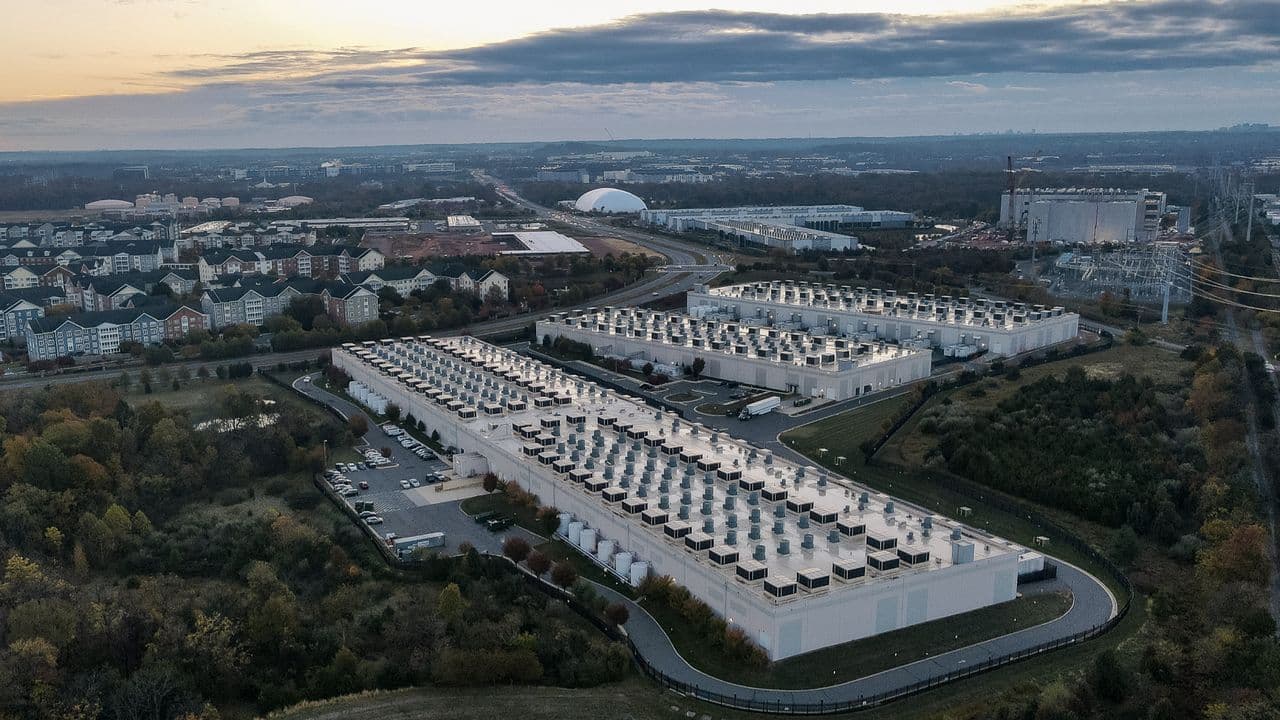
More than 140 coordinated protests took place across 42 states this weekend, marking the first nationally synchronized demonstration against the rapid expansion of AI data centers. Organizers branded the buildout an "unacceptable infringement on our liberty," reflecting a surge in public opposition that has already delayed over $130 billion worth of projects in the first quarter of 2026 alone.
National Protest Wave
The weekend demonstrations occurred in 142 venues across 42 states, according to reports from Reuters and Forbes. Organizers described the data center buildout as unaccountable and harmful to local communities. The protests are the first coordinated national action against the industry, which is racing to secure compute capacity for AI workloads.
This opposition is not limited to activist groups. Surveys show that a majority of Americans across the political spectrum oppose data center construction near their homes. The concerns range from soaring electricity costs and water usage to noise and environmental degradation.
Political and Regulatory Response
Due to the growing backlash, lawmakers have taken action. More than 69 jurisdictions have imposed bans on new data center projects. Seattle, home to Microsoft and Amazon, passed a one-year moratorium. New York state enacted a similar pause on projects larger than 50 megawatts. These moves are bipartisan, reflecting a rare area of agreement in a divided political climate.
Data center developers had anticipated shortages of GPUs, memory chips and power infrastructure. But the lack of public support has emerged as an unexpected and formidable obstacle. The scale of the resistance has already blocked or delayed projects worth $130 billion in the first four months of 2026.
Why This Matters
The clash between AI infrastructure demands and community consent is reshaping the geography of the data center industry. Developers are now targeting rural areas to bypass city regulations, but this strategy may face its own legal and political challenges. For residents, the stakes include higher energy bills, strained local resources and a loss of control over land use. For the tech industry, the delays threaten to slow AI development and increase costs. The outcome of this conflict will determine where and how the next generation of AI computing is built in the United States.