Senior Editor: Alan Agbele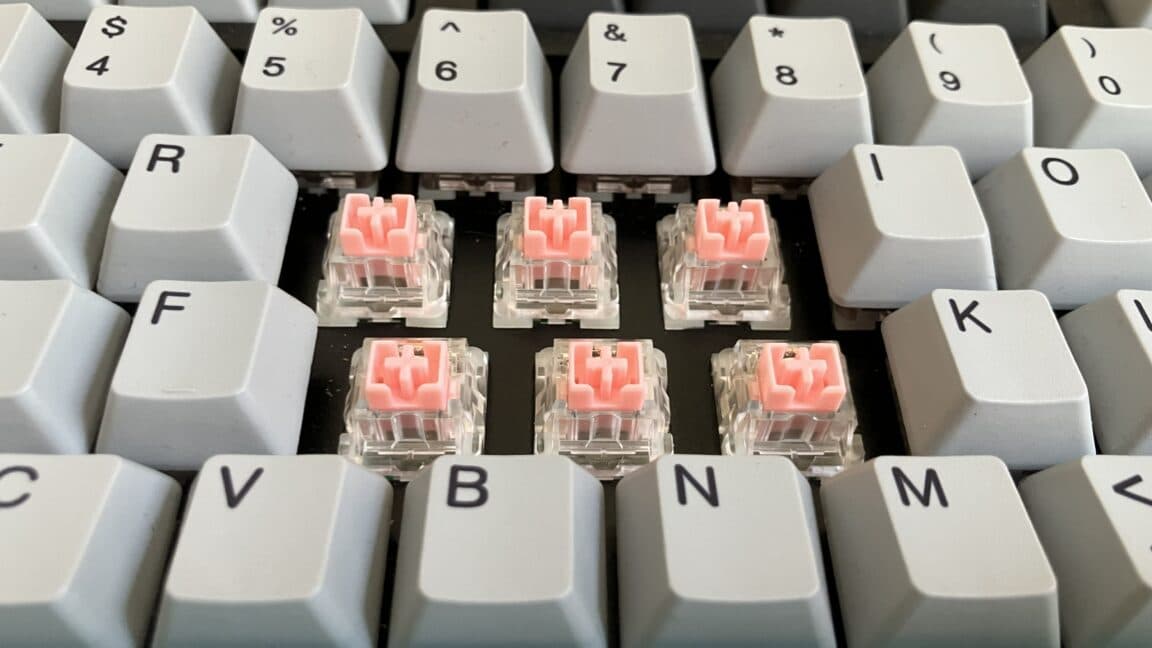
The mechanical keyboard is undergoing a quiet revolution. Explaining Hall-effect and TMR switch technology starts with a key distinction: unlike traditional mechanical switches, they never make physical contact. A new generation of contactless switches is challenging the metal-on-metal design that has defined mechanical keyboards for decades. These switches, once limited to niche industrial applications, are now appearing in mainstream consumer keyboards, promising faster actuation, greater durability and programmable sensitivity. For gamers and typing enthusiasts, the shift represents both opportunity and a new set of tradeoffs.
The Rise of Contactless Switching
Over the past six years, optical, Hall-effect and TMR switches have moved from experimental designs to shelf-ready products. Major peripheral makers now offer keyboards featuring these technologies, often positioning them as premium options for competitive gamers. The appeal is clear: without physical contact, switch degradation slows dramatically, and manufacturers can offer features like per-key actuation adjustment that was previously impossible with standard metal leaf springs. The market for contactless keyboards is expected to grow as production scales and costs gradually fall.
How Hall-Effect and TMR Work
Both Hall-effect and TMR switches are types of magnetic sensors, but they operate differently:
Both switch types rely on the same core advantage: no metal contacts means no electrical wear, no bounce debouncing and a lifespan that can exceed 100 million presses. Traditional mechanical switches typically rate between 50 and 80 million presses.
Performance Gains and Tradeoffs
For users, the most noticeable benefits come in gaming. Adjustable actuation points allow players to set keys to register at a shallow press for rapid actions or a deeper press to avoid accidental triggers. Some TMR-based keyboards also support analog input, where the signal intensity varies with the depth of the press, enabling applications like pressure-sensitive controls in compatible games. Outside of gaming, the typing experience remains similar to high-quality mechanical boards, though some users report a slightly smoother feel due to the lack of mechanical contact.
Key tradeoffs include:
Why This Matters
The shift to contactless switches represents a fundamental change in how keyboard manufacturers design for durability and flexibility. For gamers, adjustable actuation and analog input open new possibilities for control and responsiveness. For the broader market, these technologies push the industry beyond the decades-old mechanical switch paradigm, potentially changing user expectations for reliability and customization. As production scales, price barriers should fall, making contactless keyboards more accessible to everyday users. The long-term winner is likely the consumer, who will gain access to keyboards that last longer and adapt more closely to personal preferences. The loser may be the traditional mechanical switch ecosystem, which could face declining demand from the premium segment that has driven its growth.