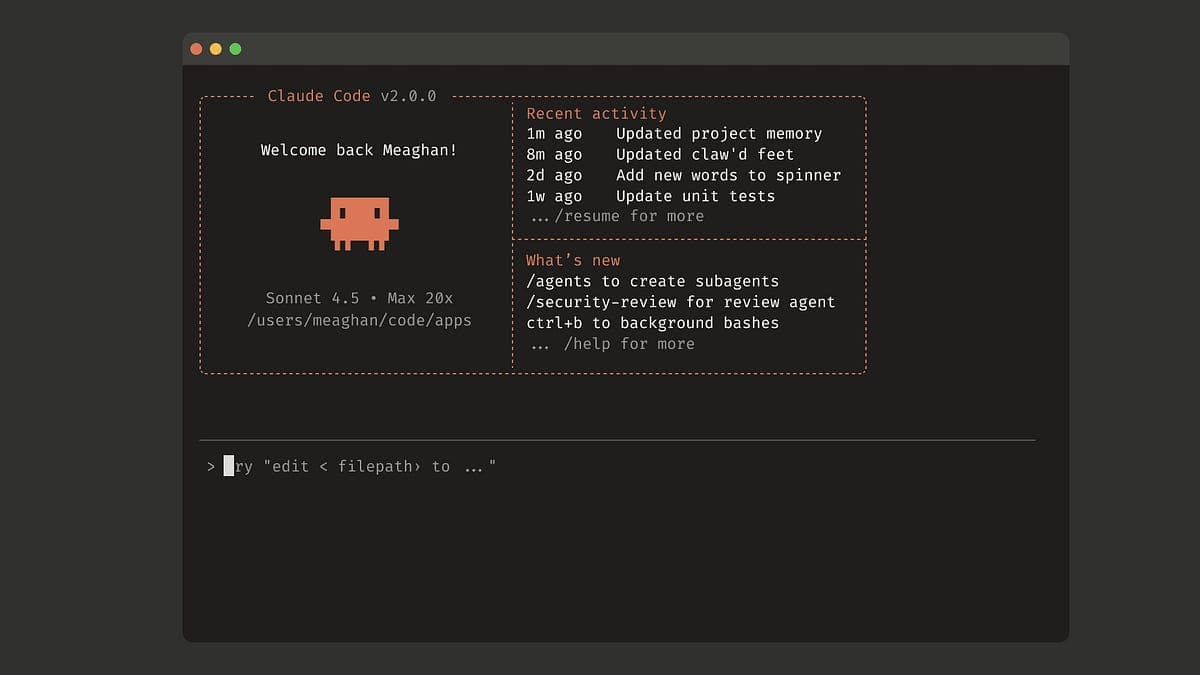
A developer has uncovered a trove of undocumented configuration options for Anthropic's Claude Code, the AI-powered coding assistant. The findings give developers deeper control over how the tool behaves in production environments.
The hidden settings go well beyond what Anthropic officially documents. They include fine-grained controls for memory management, context window behavior and output formatting that many teams have been requesting since the tool launched.
What the Undocumented Settings Reveal
The discovered configurations allow developers to adjust how Claude Code handles large codebases. One setting controls how aggressively the tool prunes its context window when working with files that exceed token limits. Another lets users set custom thresholds for when the AI switches between analysis modes.
Memory management options are particularly notable. Developers can now configure how long Claude Code retains information about a project's structure between sessions. This addresses a common complaint about AI coding tools losing track of project context after restarts.
Output formatting controls also appear in the undocumented list. Teams can enforce strict formatting rules for code suggestions, including indentation preferences and comment styles that match their existing codebase standards.
Why This Matters
For development teams using Claude Code in production, these hidden settings represent real control over daily workflows. The ability to tune context management directly affects how well the tool handles large monorepos or complex multi-file changes.
Teams that rely on consistent code formatting across contributors will benefit from enforced output rules. Memory retention settings could reduce friction for developers who work across multiple projects and need their AI assistant to remember project-specific patterns.
The discovery also highlights a broader trend in AI developer tools: official documentation often lags behind what power users need. Developers who dig into configuration files gain advantages over those who stick to documented features alone.
A Community-Driven Documentation Effort
The developer who found these settings shared them on Hacker News, sparking discussion among other Claude Code users. Several commenters confirmed they had independently discovered some of the same options through trial and error.
This community-driven approach to documentation is common in developer tools but carries risks. Undocumented settings may change without notice in future updates. They might also interact with each other in unexpected ways that Anthropic has not tested.
Developers experimenting with these configurations should test thoroughly before deploying them across a team. What works for one project setup might cause issues in another environment or operating system combination.