Senior Editor: Alan Agbele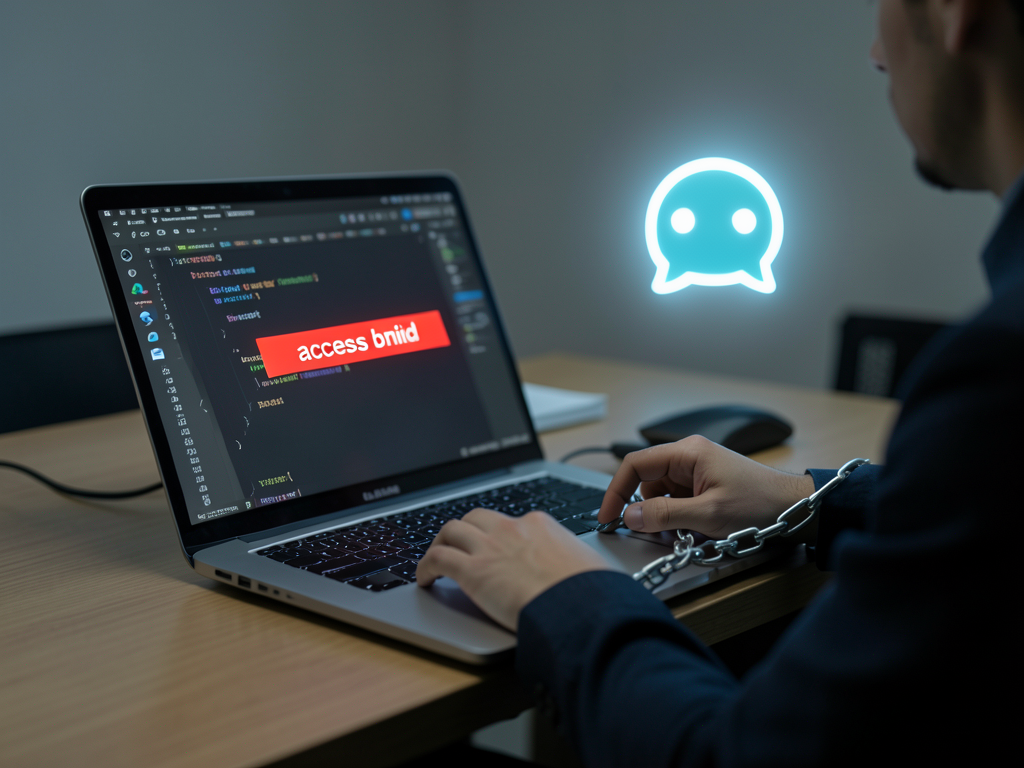
A developer working with Anthropic's Claude Code recently received an unexpected ban, sparking a discussion about the growing power AI companies hold over the developers who depend on their tools. The user, who posted about the experience on Hacker News, reported receiving no clear explanation for the ban and expressed uncertainty about how to proceed.
The Incident and Its Fallout
The developer, whose identity remains unknown, described being locked out of Claude Code, Anthropic's AI-powered coding assistant. The ban appeared to be sudden and without prior warning. The user stated they were unsure what term of service they might have violated, highlighting a common frustration: the lack of transparency in enforcement actions by AI platform providers.
Anthropic has not publicly commented on the specific case. The company, like many in the space, enforces an acceptable use policy that restricts certain activities, but the details of how bans are triggered and whether an appeals process exists remain unclear to many users.
Why This Matters
This incident underscores a critical risk for developers who have integrated AI coding assistants into their daily workflows. Losing access to such tools can disrupt productivity, especially for freelancers or small teams that rely on a single platform. The lack of a clear appeals mechanism leaves users vulnerable to decisions they cannot challenge or understand.
Beyond individual inconvenience, the case points to a broader power imbalance. Developers invest time learning and customizing these AI tools, creating a dependency that can turn restrictive if the provider changes policies or terminates access. The episode serves as a reminder that reliance on proprietary AI services carries inherent risks.
Industry Context and Comparisons
Anthropic is not alone in this practice. Competitors like OpenAI and GitHub have also faced criticism for opaque enforcement of usage policies. The trend reflects the tension between maintaining safe platforms and providing clear user protections. As AI coding assistants become more central to software development, calls for standardized transparency and due process are likely to grow.
Some industry observers have suggested that AI companies should adopt practices similar to cloud service providers, which typically offer warnings and grace periods before suspending accounts. Others argue for independent oversight of AI platform governance to protect users from arbitrary bans.
What Developers Can Do
For developers concerned about similar situations, experts recommend diversifying tool usage and maintaining offline backups of code and configurations. Reading the acceptable use policy carefully and avoiding any activity that could be interpreted as misuse can also reduce risk. However, the ultimate responsibility lies with companies like Anthropic to create fairer and more transparent policies.
As the debate continues, this single ban may become a catalyst for broader discussion about the rights of users in the AI ecosystem. The outcome could influence how AI companies handle enforcement, or it could remain an isolated incident. Either way, it serves as a warning for developers to evaluate their dependencies.