Senior Editor: Alan Agbele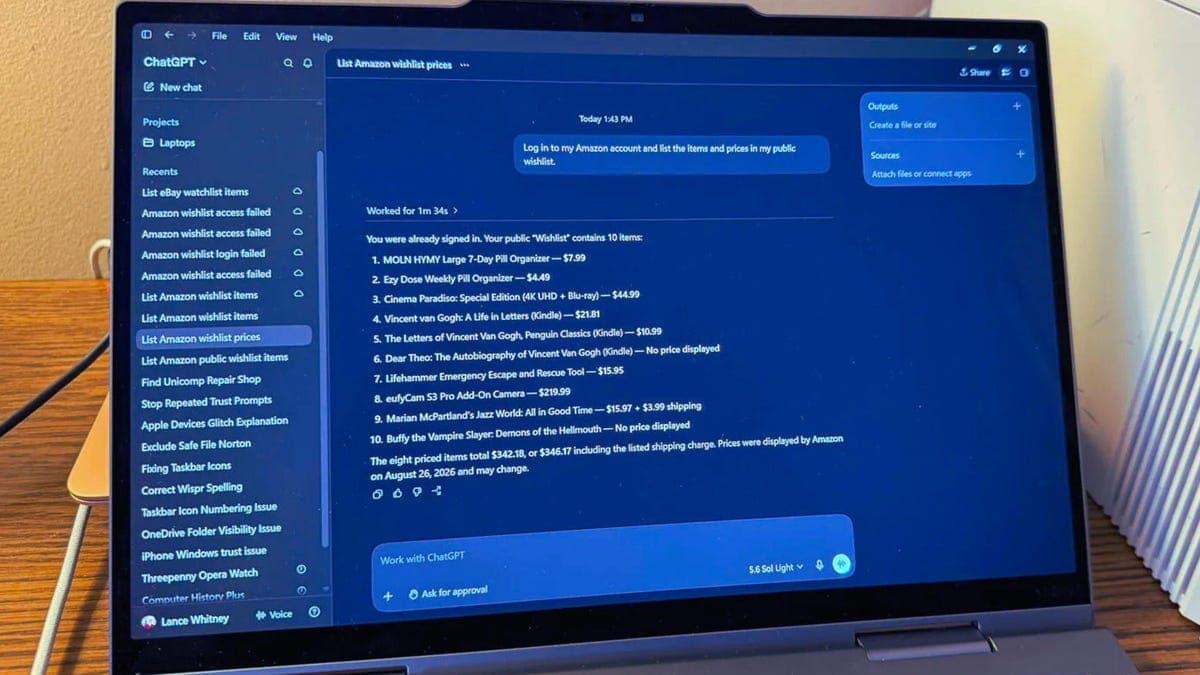
OpenAI has introduced a controversial feature in its ChatGPT Work platform: the AI agent can now sign into your web accounts without any direct action on your part. The capability, designed to automate tasks like fetching emails or managing calendars, has ignited a debate over whether the convenience is worth the privacy risk.
How the Autonomous Login Feature Works
ChatGPT Work uses a combination of browser automation and stored session tokens to log into user accounts. When a user grants permission during initial setup, the AI stores encrypted credentials that allow it to reauthenticate in future sessions without manual intervention. OpenAI claims the feature is intended to streamline workflows, such as automatically pulling data from corporate dashboards or sending messages through linked services.
The system, however, does not require a fresh login prompt each time. Once authorized, ChatGPT Work can access accounts on platforms like email providers, CRM tools, and project management suites. The AI agent operates in the background, executing tasks based on user commands issued through the chat interface.
Privacy and Security Concerns
Security experts warn that giving an AI agent persistent access to multiple accounts creates a single point of failure. If the ChatGPT Work system is compromised, an attacker could gain unauthorized entry to every account the AI has access to. The risk is amplified by the fact that users may not always know which accounts the agent is logged into at any given moment.
Key risks associated with this feature include:
OpenAI has not yet published a detailed security audit or independent review of the auto-login mechanism. Without third-party verification, users are left to trust that the company's encryption and access controls are sufficient.
Why This Matters
The move signals a shift in how AI agents interact with online services. Unlike passive chatbots that only read information, ChatGPT Work now acts as an active agent capable of making changes across accounts. This changes the security model: instead of securing a single login, users must now secure the entire chain of trust from OpenAI's servers to each third-party service.
For enterprises using ChatGPT Work, the implications are immediate. IT departments must decide whether to allow the AI to authenticate into corporate tools, potentially bypassing existing multi-factor authentication policies. Individual users, meanwhile, face a trade-off between workflow speed and personal data safety. Regulators may also take interest, as the feature touches on data protection principles like consent and purpose limitation.
What You Can Do Now
Until OpenAI provides more transparency, users should limit the accounts they connect to ChatGPT Work. Enabling separate strong passwords and reviewing connected apps regularly can reduce exposure. Companies should consult their security teams before rolling out the feature broadly. The autonomous login capability is still optional, giving users and organizations time to assess whether the convenience justifies the risk.