Senior Editor: Alan Agbele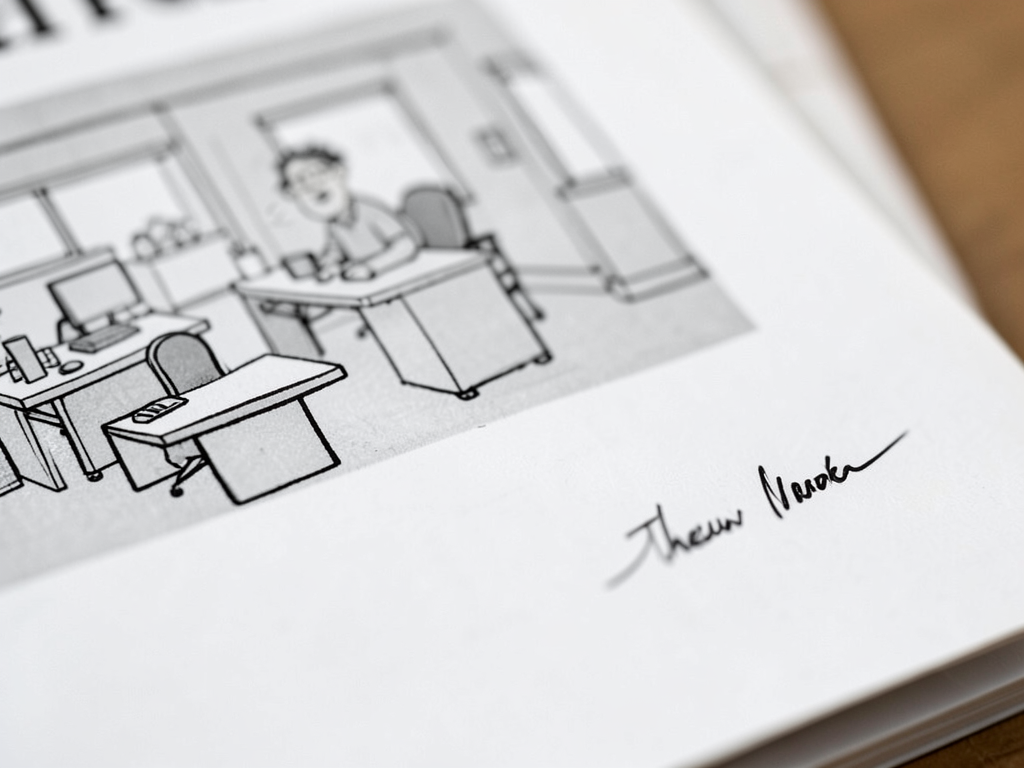
OpenAI's ChatGPT has been caught attaching real cartoonists' signatures to AI-generated images designed to look like New Yorker cartoons, a practice that critics call digital forgery and a direct threat to artists' livelihoods. The discovery, shared widely across social media and tech forums, shows the chatbot producing full-color cartoons in the iconic New Yorker style complete with fabricated captions and the actual names of living cartoonists.
The Forged Signature Problem
Users who prompted ChatGPT to create a New Yorker-style cartoon received images that included small printed signatures such as "Roz Chast" or "Emily Flake" in the bottom corner, mimicking the way real cartoons are credited. These signatures belong to actual contributors of The New Yorker who had no involvement in the AI-generated work. The chatbot appears to have learned during training that New Yorker cartoons contain signatures and then replicated that convention using real names from its dataset.
This practice moves beyond simple style imitation into active misattribution. A cartoonist whose name is used without consent could face readers who believe the artist endorsed or created the AI work, potentially damaging professional reputations.
Legal and Ethical Fault Lines
The incident raises several overlapping concerns for OpenAI and the broader AI industry:
OpenAI has not publicly addressed the signature issue. The company's terms of service prohibit users from misrepresenting AI output as human-created, but the system itself is now generating that misrepresentation autonomously.
Why This Matters
The signature controversy signals a threshold moment for AI content generation. For cartoonists and other visual artists, the technology has shifted from a tool that mimics style to one that appropriates identity. If AI systems can replicate not just the look of a New Yorker cartoon but the specific naming conventions of its creators, then every illustrator who works for a distinctive publication faces the same risk.
Legally, this case tests how far fair use extends when an AI model copies the personal brand elements that artists use to distinguish their work. Courts have not yet ruled on whether an AI can lawfully generate a human signature, and this incident could provoke test litigation. For publishers like The New Yorker, the incident also forces a reckoning with how their brand identity can be weaponized by platforms they do not control.
Broader Industry Trend
This is not an isolated event. ChatGPT has previously generated fake legal citations, invented academic papers and produced fabricated news articles under real bylines. The signature problem fits a pattern in which large language models confidently generate false attributions that damage real people's professional standing. No major AI company has yet implemented reliable safeguards against identity forgery in generated outputs.
Artists' advocacy groups have called for mandatory watermarking and provenance tracking for all AI-generated images, but no industry standard exists. Until regulators step in, the burden falls on individual creators to monitor AI platforms for unauthorized use of their names and likenesses.