Editor: Porcia Akua Holmes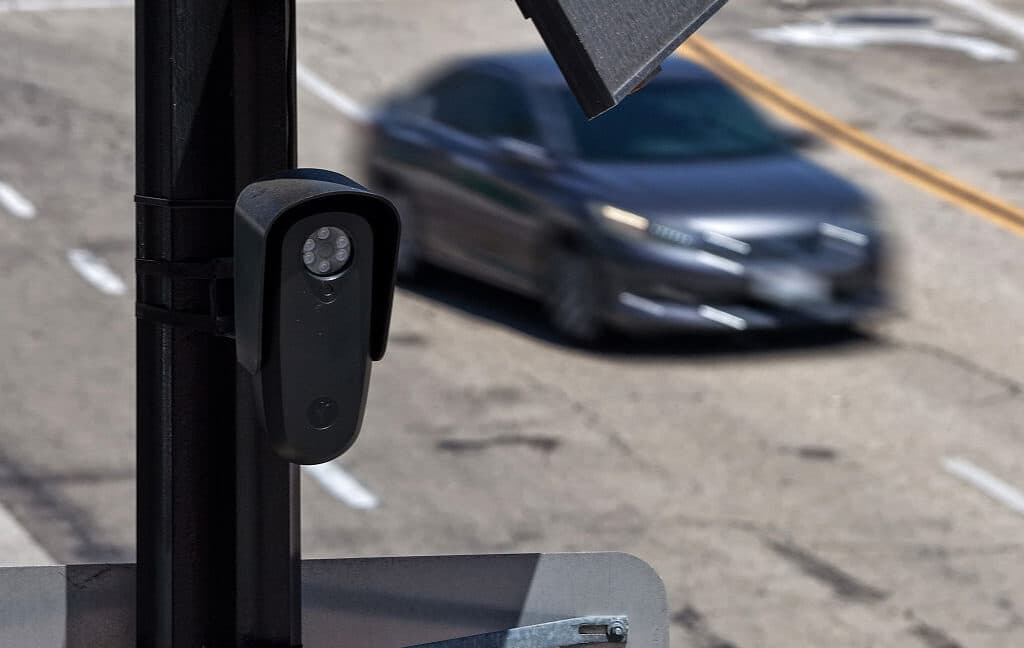
City officials in a Fort Worth suburb are charging an extraordinary fee to release records about AI-powered vehicle tracking cameras, drawing accusations that they are deliberately obstructing public oversight. North Richland Hills demanded $2.3 million from the Texas Privacy Coalition before fulfilling a records request related to the Flock camera system.
The Request and The Price Tag
The Texas Tribune reported Monday that North Richland Hills set the fee after the Texas Privacy Coalition asked for internal records about the Flock cameras. Phil Mynona, using a pseudonym, filed the request on behalf of the group. Mynona described the fee as “ludicrous” and said it seemed designed to discourage further scrutiny.
- Data volume claimed: The city said the request covered about one terabyte of communications, including emails and reports related to errors, misuse and system effectiveness.
- Labor estimate: Officials calculated that searching and reviewing the material would take 14 years of a single employee’s time at $15 per hour.
- Total fee: That math produced the $2.3 million figure, which the city required upfront before processing the request.
Broader Backlash Against Flock
Flock cameras are AI-powered license plate readers installed by police departments across the United States. Supporters say they help solve crimes, but critics raise concerns about mass surveillance, data retention and potential misuse. Opposition to the technology has crossed political lines, with some communities voting to remove the cameras. The Texas Privacy Coalition’s records request sought to document any reported problems with the system in North Richland Hills.
Why This Matters
The $2.3 million demand tests the limits of transparency laws in the age of surveillance technology. If cities can effectively price public records out of reach, advocates and journalists may lose a vital tool for holding police accountable. The Texas Privacy Coalition’s case could influence how other jurisdictions respond to records requests, especially as privacy groups intensify scrutiny of Flock and similar systems. The outcome may also shape public debate about whether the cost of obtaining information about government technology undermines democratic oversight.