Editor: Porcia Akua Holmes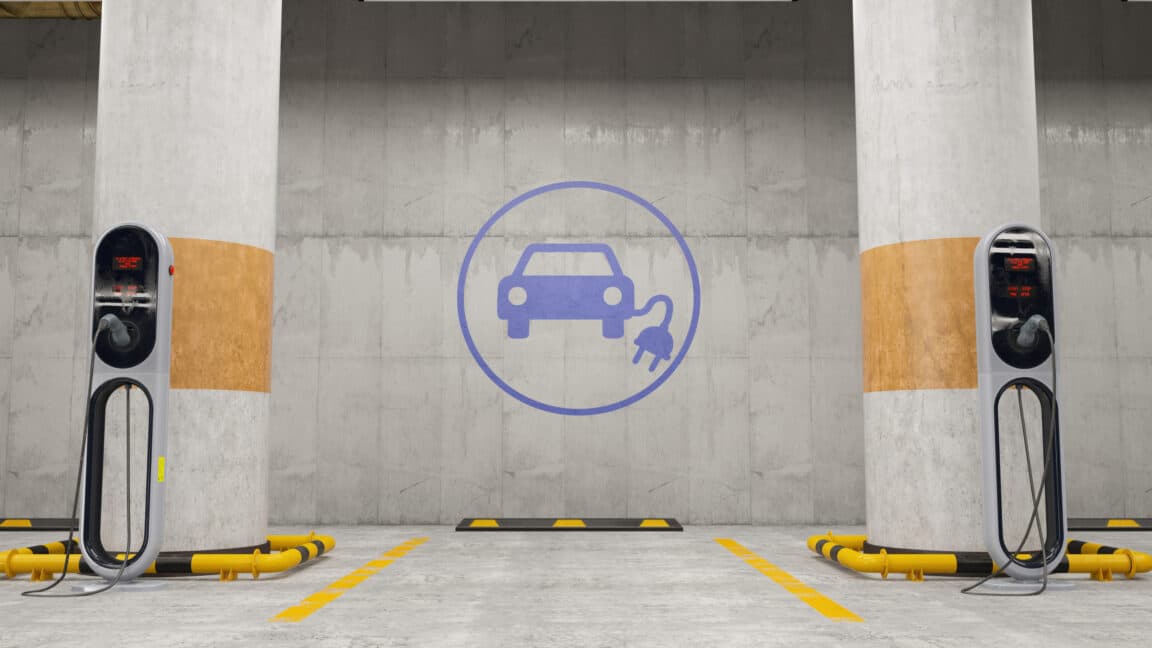
The gap between electric vehicle adoption and charging infrastructure is widening, according to new data from ChargePoint. Despite record EV sales and rising consumer interest, the pace of charger installation has failed to keep up with growing demand.
Infrastructure Lag Persists Despite Strong Sales
More than 1.8 million EVs were sold globally between January and August this year. In the United States, rising fuel prices have pushed more drivers to consider electric vehicles, many of whom had dismissed them a year ago. Yet the charging network remains a bottleneck. ChargePoint CEO Rick Wilmer said the company continues to see quarter-over-quarter growth in requests for proposals from businesses and municipalities seeking charging solutions. He added that demand for used EVs is so strong that prices are rising, and the data shows that 96% of people with expiring leases choose another EV instead of returning to gasoline.
Key Drivers of Demand
Several factors are fueling the surge in charger demand, according to the report. Wilmer pointed to the growing appeal of used EVs now reaching price parity with equivalent gas models. That affordability, combined with new affordable models from automakers such as Ford and Slate, is expanding the market.
Why This Matters
The widening gap between EV adoption and charging infrastructure threatens to slow the transition away from gasoline. If public and private investment in chargers does not accelerate, drivers may face range anxiety and long wait times, discouraging new purchases. The data suggests consumer appetite for EVs is strong, but without reliable charging networks, that enthusiasm could fade. The report underscores the need for faster permitting, grid upgrades and coordinated investment to match demand.
Outlook for the Market
Wilmer expressed optimism about the North American market, noting that automakers are improving product market fit with vehicles designed for what buyers actually want. He pointed to used EV price trends and retention rates as evidence that the market is maturing. ChargePoint expects demand for chargers to continue rising as more affordable models reach parity with gas cars. And the company is preparing for that growth with expanded production and partnerships. The challenge of supply keeping up with demand, however, will define the next phase of EV adoption.
As the transition accelerates, the infrastructure gap demands attention from policymakers, utilities and the private sector. Without action, the promise of electric mobility may be delayed.