Senior Editor: Alan Agbele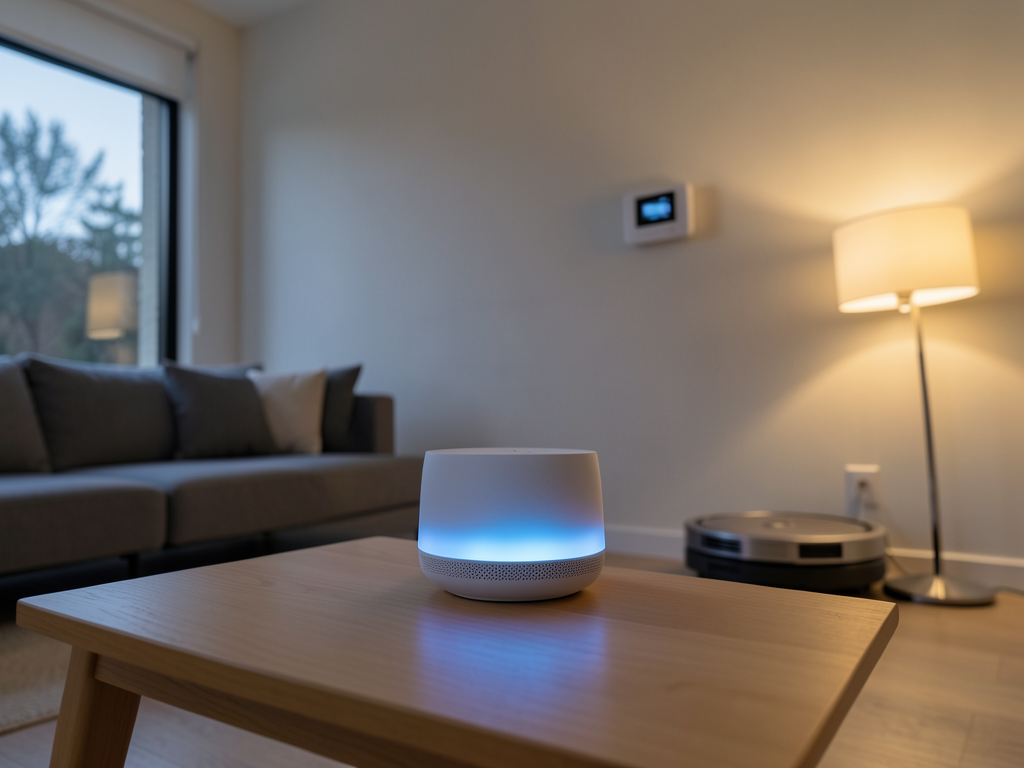
Google Home is set to gain autonomous decision-making capabilities through a new integration with the Model Context Protocol, positioning the smart home platform to handle complex tasks without direct user commands. The company plans to release an early access build to Premium Advanced users in the coming weeks.
How the MCP Standard Works
The Model Context Protocol is a framework designed to let AI agents remember and act on information across sessions and platforms. For Google Home, this means the assistant can move beyond simple one-shot commands to orchestrate sequences that feel more human. Instead of asking the user to confirm each step, the system can infer intent and proceed autonomously.
What This Means for Users
For everyday users, the integration promises a more fluid smart home experience. Google Home could anticipate needs based on time of day, calendar events or sensor data. However, the shift to agentic behavior also raises questions about control and privacy. Users will need clear mechanisms to override or review actions the system takes on their behalf.
Industry Implications
Google Home is not the first platform to explore agentic capabilities, but its adoption of an open protocol like MCP could set a standard for the industry. Competitors such as Amazon Alexa and Apple HomeKit now face pressure to match this level of autonomy. The move also invites scrutiny from regulators concerned about how AI agents handle sensitive household data.
Why This Matters
The transition from reactive voice assistant to proactive home agent changes the fundamental relationship between user and device. Trust becomes the central currency. If Google Home reliably manages routines without errors, it could cement Google's position in the smart home market. If it fails, the fallout could slow consumer adoption of autonomous AI assistants across the board. This experiment with Premium Advanced users will provide early evidence of whether agentic models are ready for the living room.