Senior Editor: Alan Agbele
Cerebras Systems has delivered what it calls the fastest inference performance ever recorded for a trillion-parameter AI model. The chipmaker's wafer-scale architecture ran Kimi K2.6 at 981 output tokens per second, a speed more than six times faster than the best GPU-based cloud provider. The benchmark was independently verified by Artificial Analysis.
The result marks a landmark moment for Cerebras, which completed the largest tech IPO of 2026 just last week. The company has long faced skepticism that its unorthodox wafer-scale chips, while fast, could only handle smaller models. Running a trillion-parameter open-weight model in production for the first time changes that narrative.
Why This Matters
Enterprise customers are desperate for alternatives to expensive, capacity-constrained GPU clouds from Nvidia, Anthropic and OpenAI. Cerebras claims its hardware can deliver responses in seconds instead of minutes for complex coding and agentic tasks. For a standard agentic request with 10,000 input tokens, Cerebras completed the full response in 5.6 seconds. The official Kimi endpoint took 163.7 seconds. That is a 29-fold improvement in time to final answer.
James Wang, Cerebras director of product marketing, said enterprises are motivated to find alternatives to Anthropic. He cited personal experience where an application on Anthropic's API failed over a weekend due to capacity issues. The cost and availability of GPU-based inference is a growing pain point as AI adoption accelerates.
How Cerebras Achieves Such Speed
Most AI inference runs on clusters of Nvidia GPUs, often the NVL72 configuration with 72 GPUs interconnected by high-speed networking. In these setups, model parameters are distributed across many chips. Data must shuttle between chips constantly, and interconnect bandwidth becomes a bottleneck for large models.
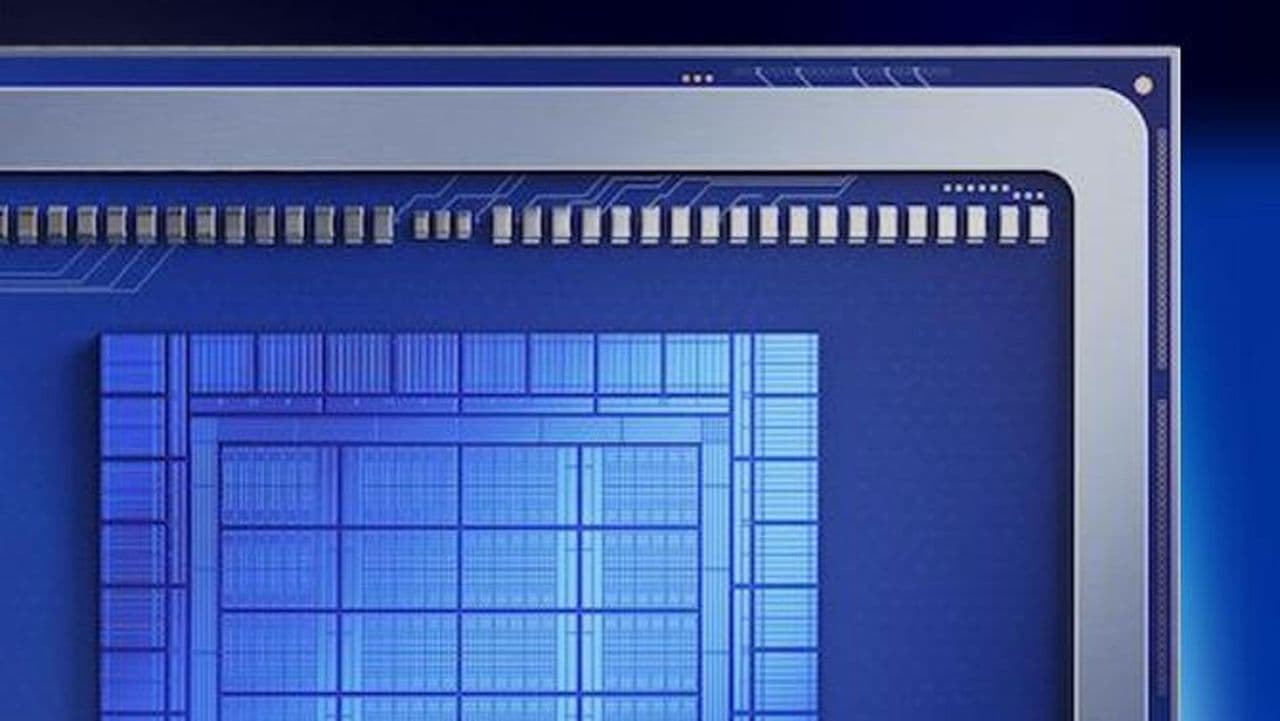
Cerebras takes a different approach. Its wafer-scale chip is a single massive silicon slab that houses the entire model on one piece of silicon. This eliminates the need for data to travel between separate chips. The company calls its approach wafer-scale integration. For Kimi K2.6, a trillion-parameter Mixture-of-Experts model, Cerebras achieves speeds no GPU cluster can match.
The model was developed by Moonshot AI, a Beijing-based company founded in 2023. Kimi K2.6 uses 32 billion activated parameters per token out of 1 trillion total, with 384 experts. It tops benchmarks like SWE-Bench Pro and Humanity's Last Exam, making it one of the most capable open-weight models for coding and agentic tasks.
Enterprise Implications and Challenges
While the performance numbers are impressive, enterprise buyers must consider the geopolitical dimension. Kimi K2.6 is a Chinese-developed model served by an American chipmaker. Companies in financial services, healthcare and defense with strict compliance requirements will need to evaluate this carefully.
Cerebras is betting that its speed advantage and cost savings will outweigh these concerns. With a $95 billion market cap and $5.55 billion in IPO proceeds, the company has resources to expand its footprint. The challenge now is proving that wafer-scale chips can sustain this performance at scale and win over enterprise customers who have long relied on Nvidia's ecosystem.