Senior Editor: Alan Agbele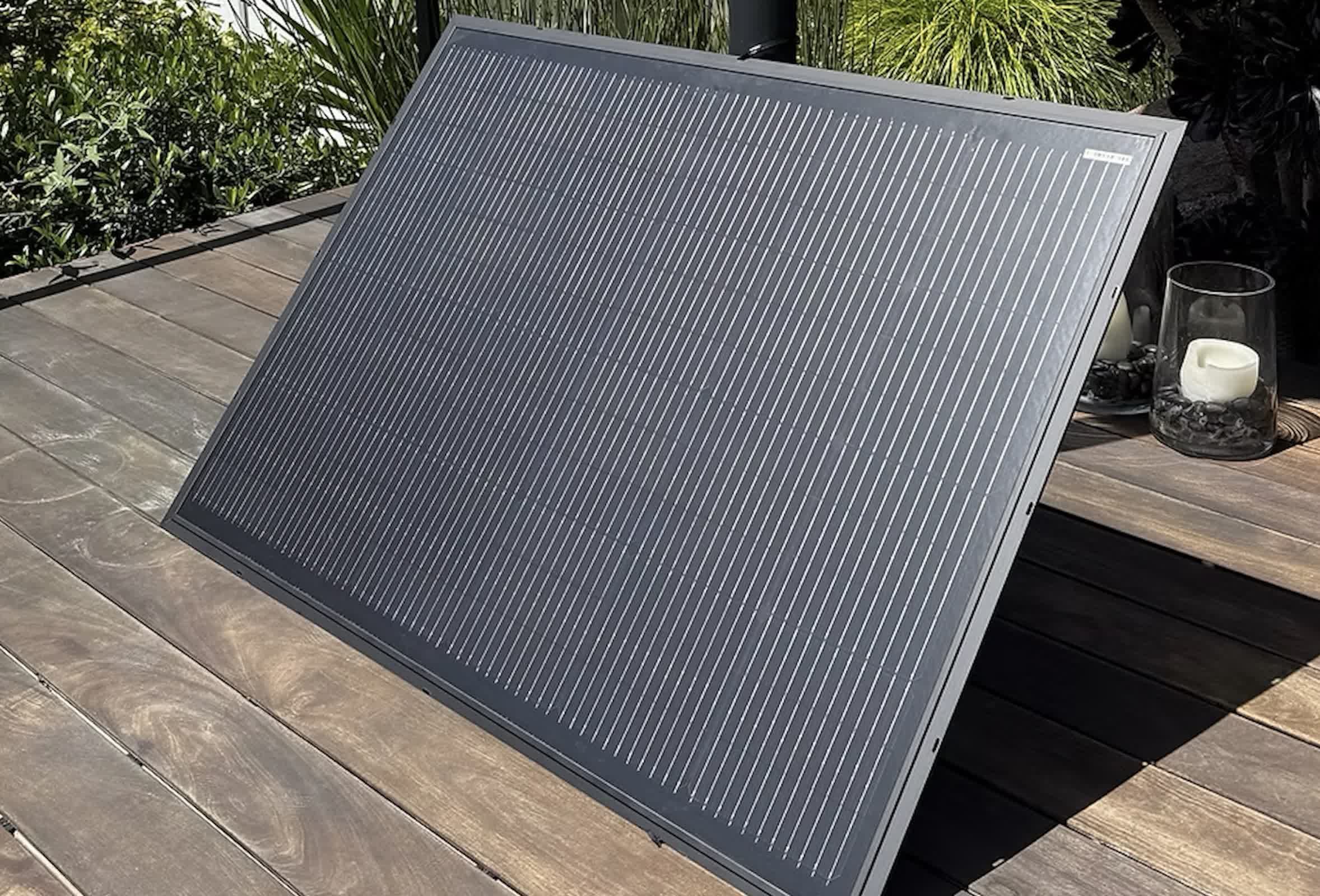
California lawmakers have approved a bill designed to make plug-in solar systems simpler and less expensive to install. The legislation, which cleared both the Assembly and Senate with bipartisan support on Wednesday night, now heads to Governor Gavin Newsom. If signed, compatible systems could reach the market by spring 2027, according to staff in state Senator Scott Wiener's office.
The Legislative Path
State Senator Scott Wiener introduced the bill to address what he described as unnecessary regulatory hurdles that inflate the cost of residential solar. Traditional rooftop installations can require extensive electrical work, multiple permits and professional inspections. Plug-in systems, already common in some European markets, eliminate much of that complexity. The bipartisan vote reflects growing recognition that simplifying solar installation can help California meet its ambitious renewable energy targets.
Why This Matters
California's goal of carbon-free electricity by 2045 depends heavily on distributed solar generation. High installation costs have kept many households from adopting rooftop panels. Plug-in systems could cut labor and equipment expenses by as much as 30% to 50%, according to industry estimates. Utilities, however, have raised concerns about grid safety and reliability. The bill includes provisions for certification and smart inverter requirements that address those issues. If successful, California could become a template for other states seeking to expand residential solar access without heavy subsidies.
What Plug-In Solar Means for Homeowners
Plug-in solar systems typically consist of a few panels and a microinverter that plugs into a dedicated outlet. They are designed for renters, apartment dwellers and homeowners who cannot afford full rooftop arrays.
Consumer advocates say the bill's passage could open solar ownership to millions of Californians who currently lack access. The California Public Utilities Commission would still oversee utility interconnection rules, but the legislation streamlines local permitting and inspection processes.
Governor Newsom has not indicated whether he will sign the bill. Supporters point to his administration's climate priorities as a reason for approval. If signed, regulations would need to be finalized by late 2026, with plug-in systems hitting store shelves in spring 2027.