Senior Editor: Alan Agbele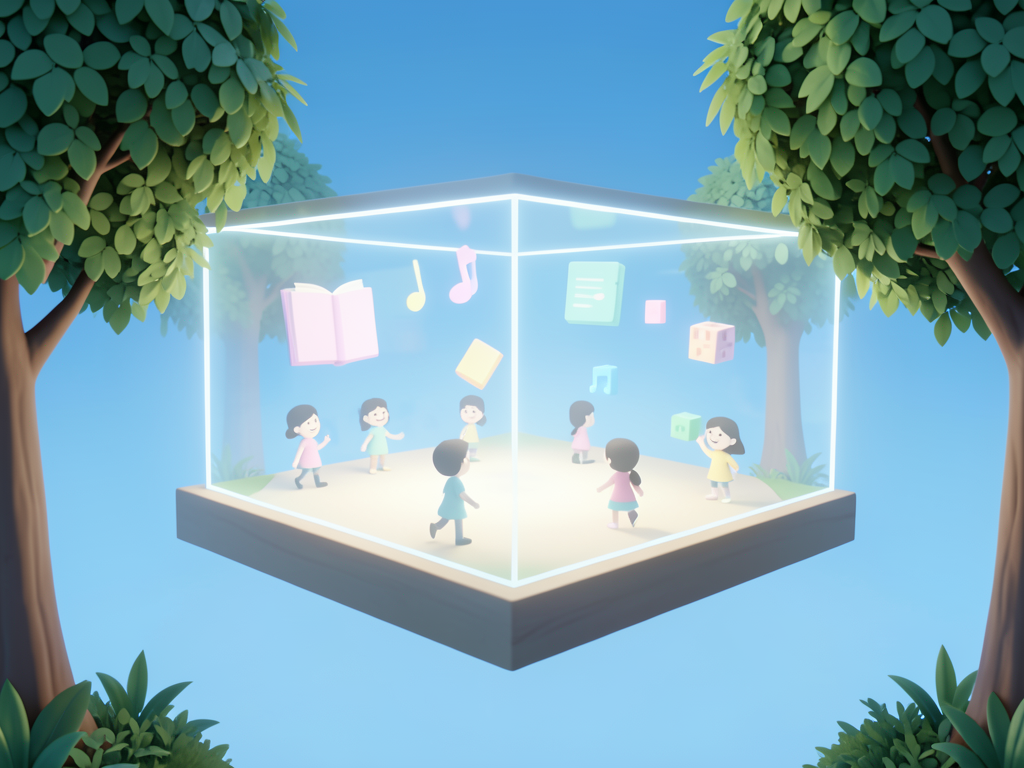
Lawmakers and parents are reaching a breaking point. The internet, many argue, is fundamentally unsafe for children, fueling addiction, harming self-esteem and exposing minors to predators. In the US, the House of Representatives recently passed the Kids Internet and Digital Safety (KIDS) Act, part of a wave of regulation. A Pew Research Center survey found that over half of US adults support banning social media for those under 16. But a different approach is gaining traction: instead of blocking access, build a better internet for kids.
The Case for a Separate Children's Internet
Current efforts to protect children online focus on restricting access through age verification, parental controls or outright bans. These measures, however, face criticism for being ineffective, invasive and easily bypassed. The Kids Internet approach flips the script. Instead of walling off the adult internet, it proposes building a dedicated network for children, much like a public park designed for play.
Proponents argue that a children's public internet would eliminate the need for age verification on mainstream platforms. Kids would naturally gravitate to a space built for them, one that is educational, entertaining and safe. The idea draws on historical precedents like children's television programming or public libraries, where content is curated for a young audience.
How the Kids Internet Would Work
Under the proposal, the Kids Internet would be a separate digital ecosystem supported by public funding. It would include:
This structure aims to remove the core harms of the commercial internet while preserving its benefits for learning and creativity.
Why This Matters
The Kids Internet concept represents a fundamental shift in thinking about child safety online. If implemented, it could reduce the burden on parents to constantly monitor their children's digital lives and give kids a space to explore without risk. For tech companies, it would create a new public sector competitor, potentially forcing them to improve their own safety standards. For policymakers, it offers a constructive alternative to bans that may fail legal challenges or drive kids to less regulated spaces. The real question is whether the political will and funding exist to build a truly public digital playground for the next generation.