Senior Editor: Alan Agbele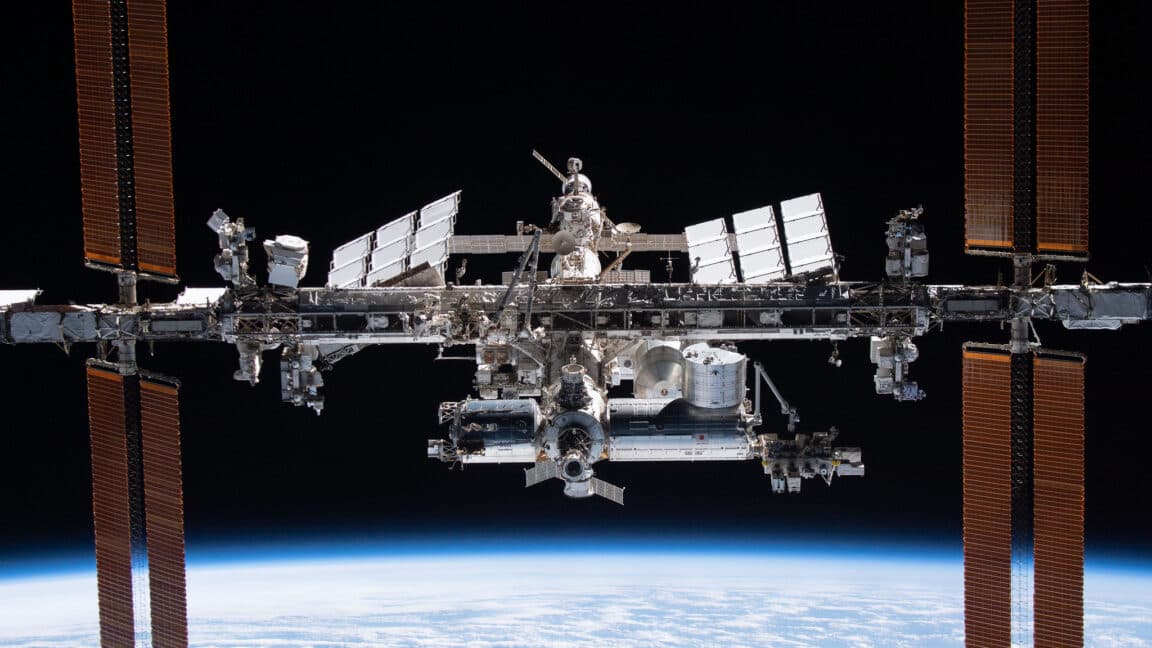
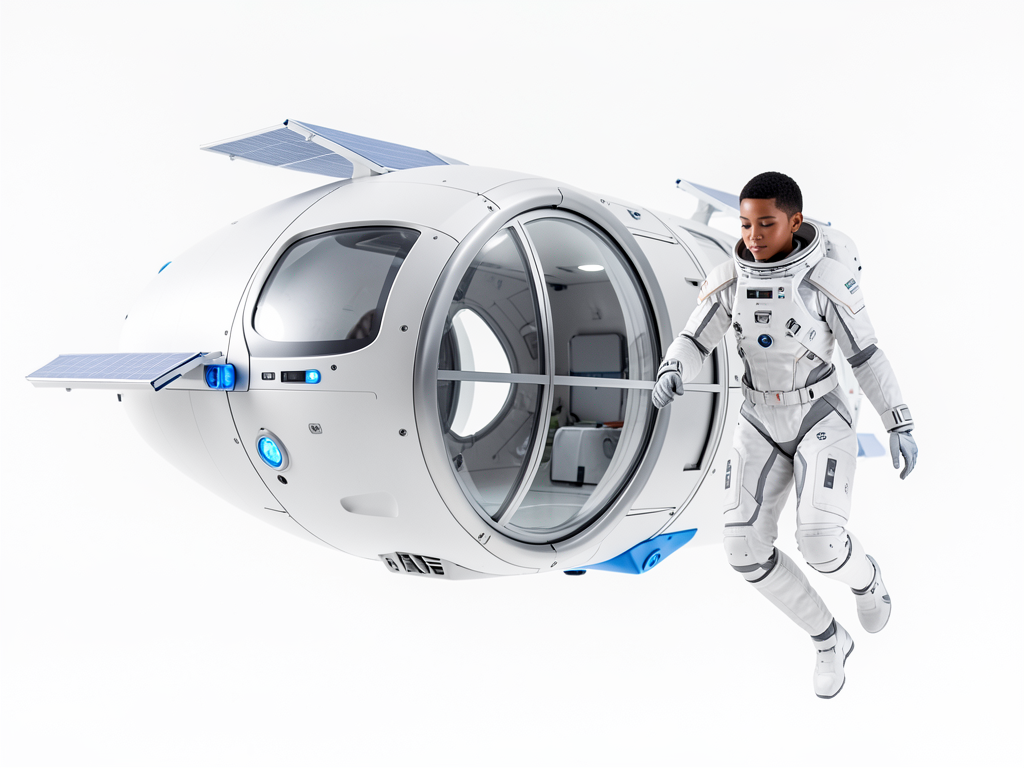
NASA released a draft Request for Proposals that sets high expectations for private space stations operating in low-Earth orbit. The document arrives as the space agency works to retire the International Space Station by 2030, leaving a narrow window for companies to design, build and test new orbital outposts.
The Ticking Clock on ISS Retirement
NASA has publicly set an end date of 2030 for the International Space Station. The space agency, however, acknowledges that a two-year extension is likely. Even with that extra time, the development timeline for a new space station remains extremely tight. NASA officials and members of Congress have both stated that avoiding a gap in human presence in orbit is a priority. The draft RFP represents the most concrete step yet toward ensuring continuous occupation of low-Earth orbit.
Progress and Uncertainties
Nearly five years ago NASA took a major step by awarding funding to three companies to develop space station concepts. The list below highlights key milestones and hurdles in the program.
These Space Act Agreements were intended as a prelude to a more substantial second phase. The draft RFP is the formal start of that phase, but it has been delayed repeatedly as Congress wavered on budget allocations.
Why This Matters
The stakes are high for the US space program. A gap in human presence after the International Space Station retires would disrupt scientific research, damage international partnerships and cede orbital leadership to competitors like China. For private companies such as Axiom Space, the draft RFP defines a make-or-break opportunity. If they cannot meet NASA's demands on schedule, the agency may need to extend the station's life further or depend on foreign partners. The outcome will shape the commercial space industry for decades, determining whether private stations become a viable replacement for government-run outposts.
What Comes Next
The draft RFP is open for industry feedback before NASA issues a final version later this year. The space agency expects to select one or two companies for the funded second phase, which will cover detailed design and construction. The clock is ticking toward 2030, and every delay raises the risk of a costly void in low-Earth orbit.