Senior Editor: Alan Agbele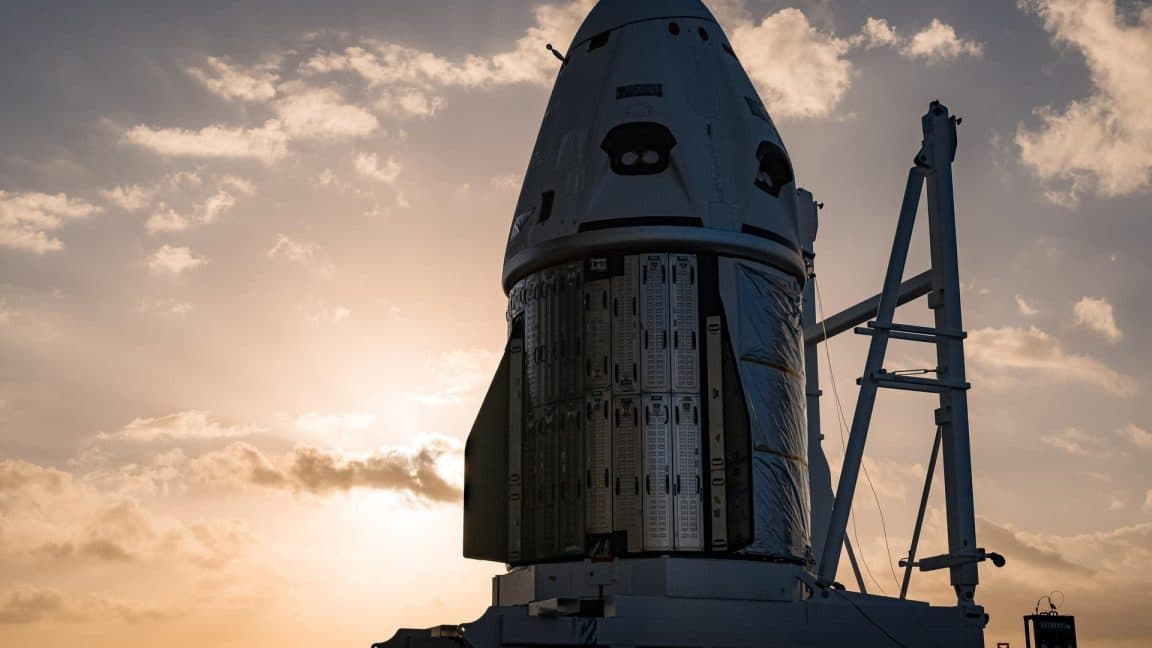
A decade after awarding multibillion-dollar contracts to foster two competing crew transportation systems, NASA faces an uncomfortable reality. The agency's ability to carry astronauts to low-Earth orbit after the International Space Station retires hinges almost entirely on SpaceX and its Crew Dragon capsule. Industry officials now openly question whether that arrangement amounts to a disaster waiting to happen.
The Unfulfilled Promise of Dual Providers
NASA awarded its Commercial Crew contracts in 2014 with a clear goal: foster competition and redundancy. Boeing received roughly $4.2 billion and SpaceX about $2.6 billion to develop crew capsules. SpaceX launched astronauts Doug Hurley and Bob Behnken to the ISS in 2020, restoring US access to orbit. Boeing, meanwhile, has yet to complete a successful crewed test flight. The company's 2024 Starliner mission ended with a Type A mishap declaration, and its next attempt remains years away. That gap leaves NASA leaning on a single system years earlier than anticipated.
Why This Matters
The retirement of the ISS in the early 2030s will force NASA to rely on multiple private space stations for research and commercial activities. Those stations require regular crew rotations. If Crew Dragon stops flying before a replacement vehicle is certified, NASA could face a second human spaceflight gap. Private station developers, including Axiom Space and Blue Origin, have designed their business models around Crew Dragon availability. A sudden interruption would delay their operations, disrupt scientific experiments and potentially cede orbital access to international partners. Without a second proven provider, the entire low-Earth orbit economy built by NASA hangs on the reliability and lifespan of a single capsule family.
Concerns Across the Industry
What Happens Next
NASA has begun internal planning for a post-Crew Dragon era, but no formal replacement program exists. The agency could extend Crew Dragon's operational life through refurbishment contracts, accelerate Boeing's Starliner certification, or turn to international partners like Russia's Soyuz. With the Commercial Crew program's original two-provider goal unfulfilled, NASA's next moves will determine whether the agency can maintain uninterrupted US access to space through the 2030s and beyond.