Senior Editor: Alan Agbele
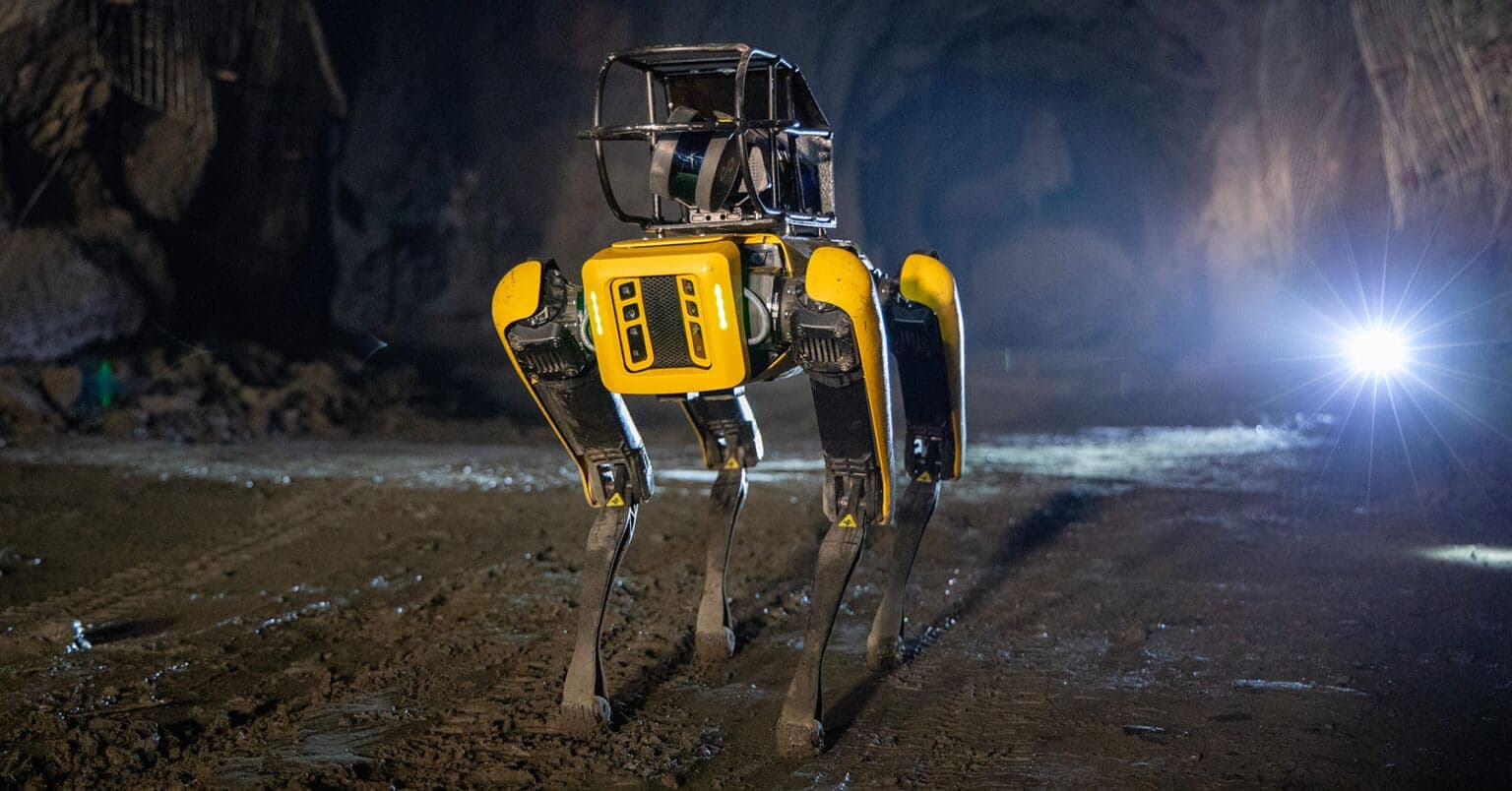
Boston Dynamics is facing internal resistance over its decision to supply robots to U.S. Immigration and Customs Enforcement. Employees at the robotics firm have publicly objected to the contract, turning a routine procurement deal into a test of how much say workers have in where their products are deployed.
The Contract at the Center of the Dispute
The arrangement involves Boston Dynamics providing robotic systems to ICE, though the company has not publicly detailed the full scope of the deployment. The deal fits a broader pattern of federal agencies turning to commercial robotics for inspection, surveillance and field operations.
Boston Dynamics has spent years shifting from research lab to commercial vendor. Its quadrupedal robots, often marketed under the Spot line, have been sold to utilities, construction firms and police departments. Each new public-sector customer brings a fresh round of scrutiny.
Employees who object to the ICE contract argue that the company's stated values do not match the use case. Their protest is notable because Boston Dynamics has historically maintained a public posture of cautious deployment, including past pledges to avoid weaponizing its robots.
Why Worker Dissent Is Hard to Ignore
Internal opposition at a company like Boston Dynamics carries unusual weight. The firm's reputation rests on engineering talent, and public disputes can affect recruiting, retention and investor confidence.
Tech workers have increasingly used collective action to challenge contracts with government agencies, particularly those tied to immigration enforcement or military applications. The pattern has forced companies to weigh revenue against reputational risk.
For Boston Dynamics, the ICE deal is not just a sales decision. It signals how the company intends to position itself as a federal contractor at a time when robotics is moving from demonstration to daily operational use.
What the Robotics Industry Is Watching
Other robotics vendors are monitoring the reaction closely. Federal agencies are expanding their use of autonomous systems, and the line between commercial and enforcement applications is blurring.
Companies that sell to ICE or Customs and Border Protection face a distinct set of reputational questions. The technology itself is often dual-use, meaning the same robot that inspects a bridge can patrol a facility.
Boston Dynamics has not indicated whether the employee protest will alter the contract. The company's response will be read as a signal of how it handles internal dissent over ethically charged deployments.
Why This Matters
The dispute at Boston Dynamics is a preview of a larger fight. As robots become cheaper and more capable, more companies will face decisions about whether to sell to agencies whose policies are politically contested.
Employees are increasingly willing to make those decisions public. For Boston Dynamics, the ICE contract could become a defining test of whether worker objections influence corporate strategy or remain a footnote in a press release.
The outcome will shape how robotics firms approach federal sales, how workers organize around deployment ethics and how the public evaluates machines that move through shared spaces with enforcement powers behind them.