Editor: Porcia Akua Holmes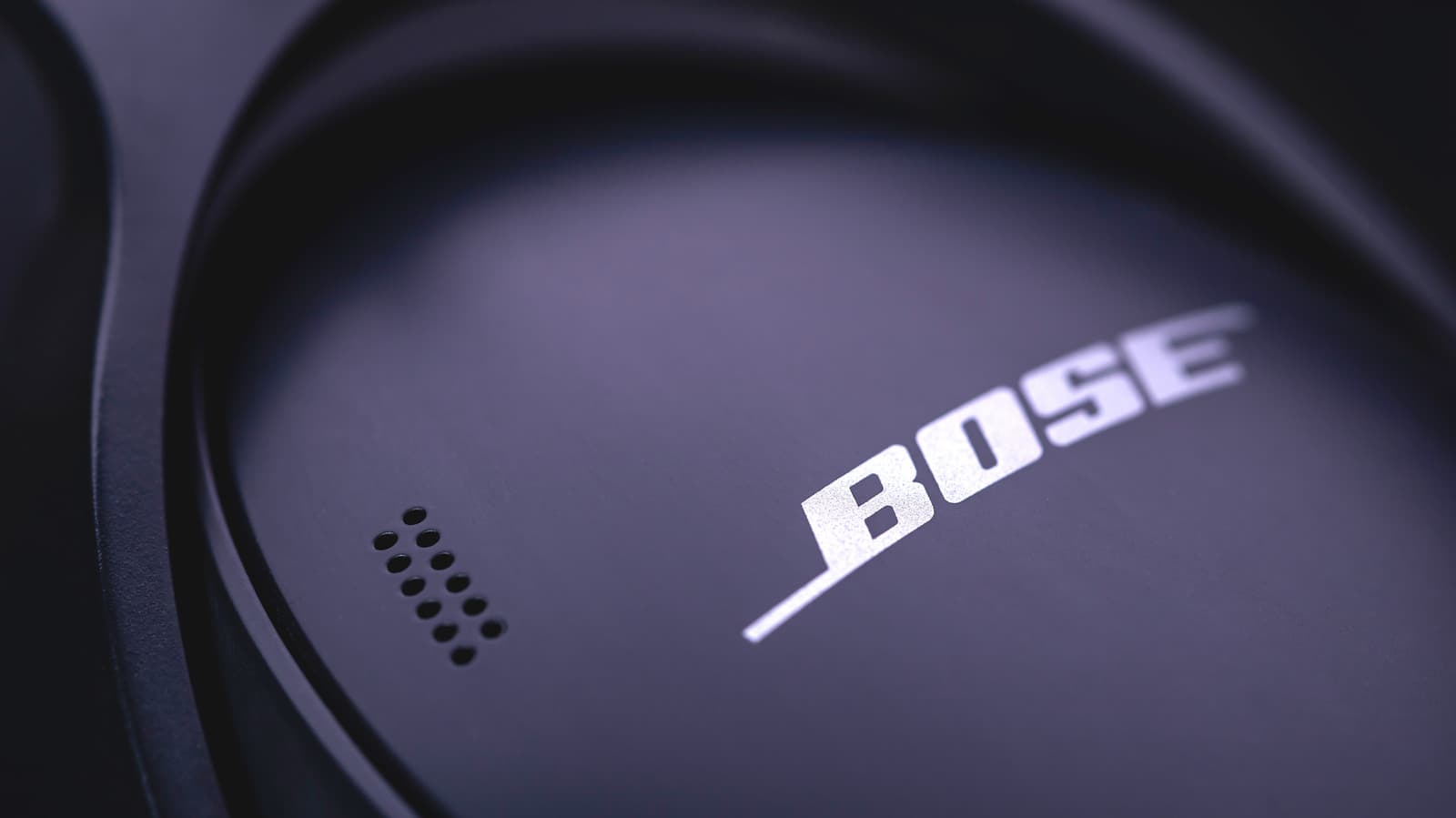
Bose, the iconic audio brand behind some of the world's most recognizable headphones and speakers, remains firmly under the control of its founding family and employees. The question "Who Owns Bose?" has a direct answer: the Bose family trust holds majority voting power, while an employee stock ownership plan (ESOP) owns a significant minority stake. This private structure is rare among major consumer audio brands and has shaped the company's strategy for decades.
The Ownership Structure Behind Bose
The Bose Corporation was founded in 1964 by Amar Bose, a professor at the Massachusetts Institute of Technology. He retained control until his death in 2013, after which ownership passed to a family trust. The company never went public, a decision that Amar Bose often defended as essential for maintaining a long-term research focus without the distraction of quarterly earnings reports. Today, Bose continues to operate as a privately held entity, with employees owning a meaningful share through the ESOP. This model gives the company the freedom to invest heavily in research and development for years before products reach consumers.
Why This Matters
Bose's ownership model directly affects consumers. Because the company answers only to its trustees and employees, it can prioritize engineering excellence over cost cutting. This has resulted in premium products with consistent sound profiles and durable build quality. However, it also means Bose moves slowly compared to publicly traded rivals. Competitors like Sony and Samsung-owned Harman can pivot quickly to chase market trends, while Bose often sticks to its proven formulas. For audiophiles, this trade-off means Bose products typically offer reliable performance rather than cutting-edge features. The private structure also shields Bose from hostile takeovers, preserving its independent brand identity.
Historical Roots and Industry Position
Bose's ownership story is rooted in its early history. Amar Bose was a lifelong researcher who believed in deep acoustical science. He reinvested profits into the company's massive anechoic chamber and patented noise-canceling technology. Unlike many audio brands that were acquired by conglomerates, Bose remained independent. This allowed it to develop iconic product lines like the QuietComfort headphones and Wave radio. The company's private status also let it absorb failed product launches, such as the Bose SoundWear, without worrying about stock price drops. Today, Bose competes in a market dominated by larger public companies and private equity-backed brands, but its ownership structure gives it unique resilience.
Implications for the Audio Market
The Bose ownership model offers a counterpoint to the consolidation trend in consumer audio. Brands like JBL, AKG and Harman Kardon now operate under Samsung, while Beats by Dre is owned by Apple. Bose stands as one of the few remaining independent premium audio powerhouses. For the broader industry, Bose's success demonstrates that private ownership can support sustained innovation in a field where technology cycles are long. Analysts note that Bose's R&D spending as a percentage of revenue is higher than most public competitors, a luxury few can afford. As the audio market shifts toward wireless earbuds and smart speakers, Bose's ability to invest patiently may become an even stronger competitive advantage.
Consumers shopping for premium audio gear will continue to see Bose products backed by the same ownership philosophy that has guided the company for over half a century. The answer to "Who Owns Bose?" remains a family trust and its employees, not Wall Street investors.